
24/7 Customer Support

Free returns

Same-day & Next-day Delivery

Quality Guaranteed

Unlock Your Welcome Offers: FREE Delivery | Up to 80% OFF | Free 30-day JoyPlus trial
Download the APP
By Joybuy Product Recommendation Officer
Choosing a baby formula can feel like one of the most significant decisions a new parent makes. The shelves are lined with tins and cartons, each making compelling claims. It’s easy to feel overwhelmed by choice and concerned about making the right one for your little one.
As a Product Recommendation Officer, my role is to help you navigate this complex market. Many parents find themselves caught in common purchasing traps, often paying more for features that offer little practical benefit. Let's cut through the clutter and focus on what truly matters.
To make an informed choice, it helps to understand the fundamental differences between formulas. Here are the key parameters to consider.
UK formulas are clearly categorised by age to match a baby's developmental needs.
Beyond the stage, the base ingredients and formulation can vary to suit different needs and preferences.
Based on these practical considerations, here are some formula options matched to specific parental needs.
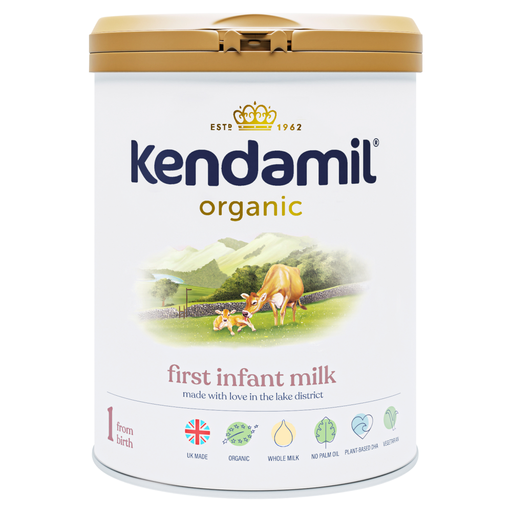
Why This Fits Their Persona: For UK parents seeking an organic baby formula from the start, this option provides peace of mind. It's made in the UK with organic whole milk and avoids ingredients like palm oil and fish oil, aligning with a preference for more natural and vegetarian-friendly sources.
This formula's value comes from verifiable certifications (EU Organic) and ingredient choices (whole milk, no palm oil), not just a "premium" label. It delivers tangible qualities that health-conscious parents look for.
Uses organic whole milk as a natural fat source. Vegetarian-friendly as it uses plant-based DHA from algae instead of fish oil.
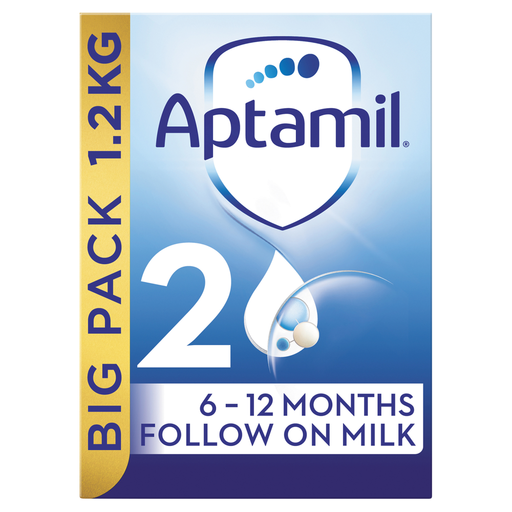
Why This Fits Their Persona: As a parent introducing solid foods, you need a reliable follow on milk to complement their diet. Aptamil is a widely recognised brand in the UK, and this formula is specifically tailored for the 6-12 month stage, focusing on nutrients like iron for cognitive development.
This avoids the trap of using the wrong stage. It is clearly labelled as a Stage 2 milk, designed to work alongside a weaning diet, not as a sole source of nutrition, ensuring your baby gets the right support at the right time.
Contains a blend of GOS/FOS prebiotics. Fortified with iron, Vitamin A, C and D to support development during the weaning phase.
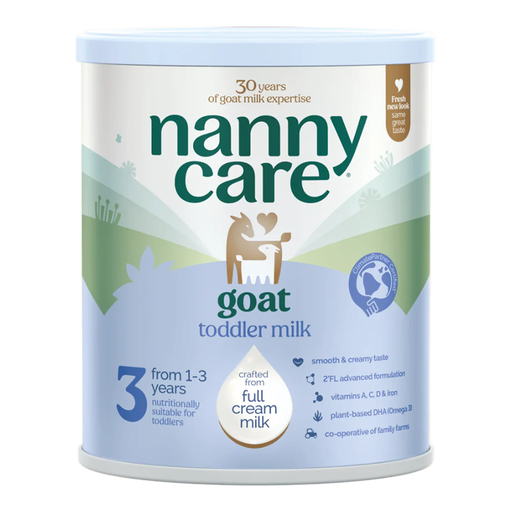
Why This Fits Their Persona: For parents of toddlers (12+ months) who are looking for an alternative to cow's milk-based drinks, this goat milk formula is a popular choice. It's designed as a fortified toddler milk to supplement a varied diet, providing key nutrients like Vitamin D and DHA.
This product clearly targets a specific need—a goat milk-based option for toddlers. It avoids the trap of vague "premium" claims by offering a distinct alternative for parents who have actively researched and chosen this path.
A gentle alternative to cow's milk-based toddler drinks. Fortified with Vitamin D, Iron and DHA (Omega-3) to support a toddler's diet.
Choosing the right formula is a personal decision. By understanding the stages, ingredients and your own priorities, you can confidently select a product that suits your baby and your budget.
We have compiled a complete, real-time list of products that fully satisfy these strict selection criteria and UK safety regulations.
1. How long does a tin of baby formula last once opened? Most powdered formulas need to be used within four weeks of opening the seal. It is crucial to store the tin in a cool, dry place (not the fridge) with the lid tightly closed. Always check the specific instructions on the packaging, as this can vary between brands.
2. Can I switch between different baby formula brands? Yes, it is generally safe to switch between different brands of formula, as long as you stick to the appropriate stage for your baby's age (e.g., moving from one Stage 1 formula to another). If your baby has a sensitive tummy, it can be helpful to introduce the new formula gradually over several days by mixing it with the old one.
3. Is organic baby formula better for my baby? All baby formula sold in the UK is subject to strict safety and nutritional regulations. The term "organic" guarantees that the ingredients, such as the milk and certain oils, are sourced from farms that adhere to organic standards, avoiding synthetic pesticides and fertilisers. For many parents, choosing an organic baby formula provides added peace of mind about the sourcing and production process.