For a baby starting solids at around 6 months, plain, pasteurised, full-fat fromage frais or yoghurt with no added sugar is the straightforward first dairy choice, in line with NHS guidance. A flavoured children’s pot needs checks on the exact product’s age guidance, ingredients, pasteurisation and full-fat status; a children’s label alone does not establish suitability for first weaning. Breast milk or first infant formula remains the main source of energy and nutrients at this stage.
Who is this choice for?
Parents beginning weaning
If your baby is around 6 months old and ready for solids, the NHS includes plain fromage frais among the dairy foods that can be introduced. Check for a pasteurised, full-fat product with no added sugar, while continuing breast milk or first infant formula feeds.
Parents planning a quick continental-style breakfast
A small pot can be a convenient spoonable part of breakfast, but a children’s product is not automatically intended for a baby beginning weaning. Check the age guidance and recipe on the exact pack.
Families dealing with possible milk allergy
Fromage frais contains milk. Cambridgeshire and Peterborough Children’s Health advises avoiding foods made with cow’s milk when weaning a baby with cow’s-milk allergy; follow your child’s clinical advice if an allergy is diagnosed or suspected.
What should you check first?
Start with your baby’s readiness and the type of dairy, then check the exact recipe and serving format rather than choosing by flavour or packaging alone.
| Priority | What to check | Your needs |
|---|
| Age and readiness |
Start solids at around 6 months when your baby is ready, as the NHS advises. For packaged dairy, check the exact product’s age statement; children’s ranges can contain products aimed at different ages. |
I’m choosing a first dairy food, not assuming that any pot labelled for children suits a baby beginning weaning. |
| Dairy and ingredients |
Check that the dairy is pasteurised and full-fat, and look for a plain or no-added-sugar recipe. Read the ingredient list on flavoured products: Tesco’s listed strawberry and raspberry fromage frais pouches include sugar. |
I’d prefer a simple first dairy option and want to know what a fruit-flavoured recipe actually contains. |
| Breakfast format |
Check the pot or pouch size and whether its age guidance fits your baby. A portioned format does not establish that the recipe meets the NHS first-weaning dairy advice. |
A ready-portioned breakfast component would be useful, provided the particular product is suitable for this stage. |
| Milk allergy |
Fromage frais contains milk. NHS Best Start in Life advises introducing foods that can trigger allergic reactions one at a time and in very small amounts; follow clinical advice if milk allergy is suspected or diagnosed. |
I need to recognise whether dairy is appropriate for my baby before serving it as a new food. |
Common buying mistakes
-
Assuming every children’s pot suits first weaning
Sainsbury’s describes one Petits Filous multipack as suitable from weaning onwards, while another Petits Filous listing positions its product for children from 3 years old. The brand name alone does not settle the question.
Check the exact pack’s age guidance, then check pasteurisation, full-fat status and added sugar against NHS first-weaning advice.
-
Taking fruit flavour to mean no added sugar
A fruit-flavoured recipe can still contain added sugar. Tesco’s listed strawberry and raspberry fromage frais pouches include sugar in the ingredients.
Read the ingredient list rather than relying on the flavour or front-of-pack claims; NHS guidance favours plain or no-added-sugar dairy for this stage.
-
Using a dairy breakfast to replace a milk feed
At the beginning of weaning, babies still get most of their energy and nutrients from breast milk or first infant formula, according to the NHS.
Offer suitable dairy as a small food alongside normal milk feeds, not as a replacement for them.
-
Overlooking cow’s-milk allergy
Fromage frais is made with milk. Cow’s-milk-free weaning excludes foods made with cow’s milk, including fromage frais and yoghurt.
Follow your child’s clinical advice if milk allergy is diagnosed or suspected. When introducing dairy without a known allergy, follow NHS advice to introduce potential allergens one at a time and in very small amounts.
Brand and retailer references
Age statements and recipes apply to individual products, not to every item from a brand or retailer.
Glenisk
Glenisk positions its Organic Baby fromage frais range for babies from 6 months; Sainsbury’s lists an Apple, Pear and Carrot variant with oats.
- Its baby-range age positioning makes the specific product worth checking for first weaning.
- Confirm the current pack’s ingredients, milk information, pasteurisation, full-fat status and added sugar before choosing it.
Petits Filous / Yoplait
The range includes fromage frais and yoghurt products, including a no-added-sugar fromage frais variant listed by Petits Filous UK.
- Sainsbury’s lists one Petits Filous multipack as suitable from weaning onwards.
- A different Sainsbury’s listing positions a Petits Filous product for children from 3 years old. Check the exact variant rather than applying either age statement across the range.
Tesco
Tesco lists own-label strawberry and raspberry fromage frais pouches in a 4 x 80g format.
- The stated pack format makes portion size easy to compare.
- Sugar appears in the listed pouch ingredients, so this recipe does not meet a no-added-sugar preference.
Sainsbury’s
Its listings include Glenisk baby fromage frais and Petits Filous children’s dairy products.
- Individual listings provide product-specific age descriptions to check when comparing packs.
- Products within the children’s dairy category carry different age positioning; confirm the current pack and recipe.
Related Joybuy yoghurt options
These are fruit-flavoured baby yoghurts labelled for 6+ months, rather than fromage frais. For either option, check the current pack for pasteurisation and full-fat status before choosing it as a first-weaning dairy food.
 No image available
Ella's Kitchen Greek Yoghurt With Strawberry 6+ Months 90g
A strawberry baby yoghurt labelled for 6+ months and supplied in a 90g portion; it is not fromage frais. Check the current pack for pasteurisation, full-fat status and ingredients. It contains milk, so follow clinical advice if cow’s-milk allergy is suspected or diagnosed.
View on Joybuy
 No image available
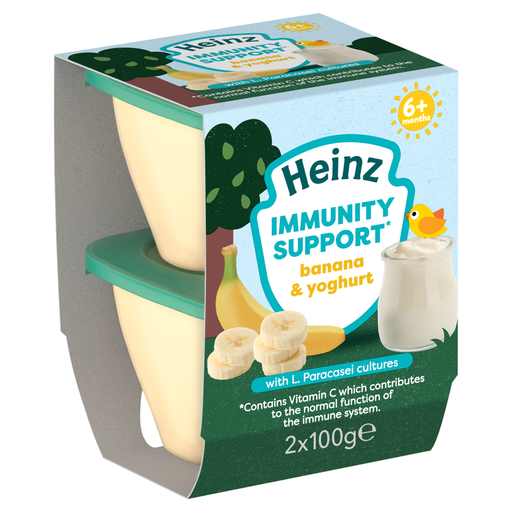
Heinz Banana & Yoghurt Immunity Support Pot 6+ Months 2 x 100g
A banana-and-yoghurt pot labelled for 6+ months, supplied as two 100g pots; it is not fromage frais. Check the current pack for pasteurisation, full-fat status and ingredients. It contains milk, so follow clinical advice if cow’s-milk allergy is suspected or diagnosed.
View on Joybuy
Questions about first-weaning dairy
What should “stage 1” mean when choosing fromage frais?
Use your baby’s readiness and the product’s characteristics, not the phrase alone. The NHS advises starting solids at around 6 months and includes plain, full-fat fromage frais among foods that can be given from around that age; check that it is pasteurised and has no added sugar.
Can fromage frais replace a breast milk or formula feed?
No. The NHS says breast milk or first infant formula still provides most of a baby’s energy and nutrients at the beginning of weaning. Suitable fromage frais can be offered as a small food alongside normal milk feeds.
Should I choose plain dairy or a flavoured children’s pot?
For a first-weaning dairy food, choose plain, pasteurised, full-fat fromage frais or yoghurt with no added sugar, in line with NHS guidance. If considering a flavoured pot, check the exact product’s age statement and ingredients: Tesco’s listed strawberry and raspberry fromage frais pouches, for example, contain sugar.
What if my baby has a cow’s-milk allergy?
Do not serve dairy fromage frais to a baby with diagnosed cow’s-milk allergy; Cambridgeshire and Peterborough Children’s Health advises avoiding foods made with cow’s milk. Follow your child’s clinical advice if an allergy is suspected. For a baby without a known allergy, NHS Best Start in Life advises introducing potential allergens one at a time and in very small amounts.


