Who is making this choice?
A child’s age and feeding needs matter more here than an adult protein bar’s calorie claim.
Parents starting baby-led weaning
For a baby under 12 months, the question is what to serve at meals and what to do if the baby seems hungry between them. NHS guidance favours extra milk feeds over snacks at this age and advises preparing finger foods with their size, shape and texture in mind.
Parents choosing food for a child aged 1 to 4
An adult bar’s low-sugar description does not settle whether it is appropriate for a young child. Check its ingredients and age warnings; the NHS advises avoiding foods and drinks with sugar or sweeteners for children aged 4 or younger.
Parents concerned about growth or feeding
If the concern is that a child needs more energy or protein, a low-calorie bar does not answer it. Discuss the child’s circumstances with a health visitor, GP or paediatric dietitian rather than changing their diet on the basis of an adult snack label.
What should you check first?
Start with the child’s age and the purpose of the food, then consider how it will be prepared and served. A calorie or protein figure cannot answer those questions on its own.
| Priority |
What to check |
Your needs |
| Age and meals |
The NHS says babies under 12 months do not need snacks. If a baby seems hungry between meals, its advice is to offer an extra milk feed; prepare suitable finger foods for mealtimes. |
I am looking for food my baby can explore at a meal, not an adult snack to meet a calorie target. |
| Shape and texture |
Follow NHS advice to consider size, shape and texture, avoiding round shapes and firm foods and using narrow batons where appropriate. UK Government guidance also calls for alert, upright seating while eating. |
I want food my baby can handle at their stage, with an adult supervising throughout the meal. |
| Sugar and sweeteners |
Read the ingredients, not just a low-sugar claim. The NHS advises avoiding foods and drinks with sugar or sweeteners for children aged 4 or younger. |
A bar marketed to adults may meet my shopping description without being suitable for my young child. |
| Allergens and labels |
Check the exact pack for ingredients and allergen statements. The NHS advises introducing foods that can trigger allergic reactions one at a time and in very small amounts. |
If I am introducing a new food, I want to know which ingredient my baby has eaten rather than start with a multi-ingredient bar. |
| Individual feeding needs |
Seek individual advice if growth or feeding is a concern. West Suffolk NHS Foundation Trust says higher-energy weaning should be agreed and supervised by a dietitian. |
If my child has been told they need more energy or protein, I need a plan for their circumstances, not a low-calorie product. |
Protein bar brands in context
These brand examples concern adult protein bars, not recommended products for a baby-led-weaning meal.
Grenade
Grenade markets Carb Killa as an adult high-protein, low-sugar snack.
- The low-sugar description helps an adult identify the product’s intended snack category; it does not establish infant suitability.
- Grenade’s Salted Caramel bar explicitly states that it is not suitable for children under 14.
PhD
PhD describes Smart Bar as a portable, low-sugar, high-protein snack.
- Its stated positioning is for adult snack shopping, not infant feeding.
- A soft centre and crunchy layers do not establish an age-appropriate texture for a baby. Use NHS food-preparation guidance when choosing finger foods.
Myprotein
Myprotein presents its Soft Protein Bar as a confectionery-style protein snack.
- The product page gives adults ingredients to check for the particular bar.
- The listed ingredients include maltitol, and the cited product information includes peanuts and cashew nuts. A multi-ingredient bar is not a way to introduce potential allergens one at a time, as the NHS advises.
Barebells
Barebells positions its bars around protein and no added sugar.
- Those descriptions identify features an adult shopper may want to inspect on a particular pack.
- Barebells states that its bars are not low- or reduced-calorie foods. “No added sugar” also does not establish suitability for a young child.
Joybuy food options for weaning
These are packaged foods to consider in the context of weaning, not low-calorie protein bars. The melty finger foods and smooth pouches serve different purposes: a pouch is not a substitute for handling finger foods, and babies under 12 months do not need snacks between meals. Follow the child’s feeding stage and supervise eating regardless of the age stated on a pack.
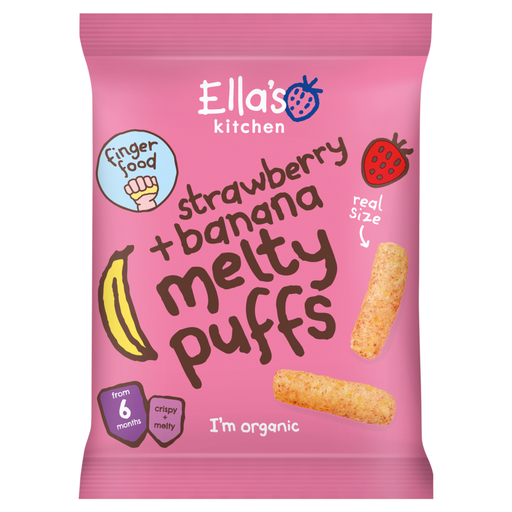 Image unavailable
Ella's Kitchen Organic Strawberry & Banana Melty Puffs, 6+ months, 20g
These melty puffs are a finger-food format to consider at a meal when the baby is ready for it. The pack name states 6+ months; check its current allergen information, and serve with the baby upright and supervised.
View on Joybuy
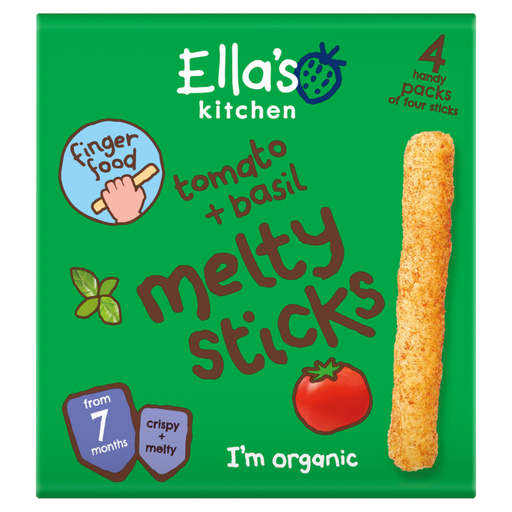 Image unavailable
Ella's Kitchen Tomato + Basil Melty Sticks, 7+ months, 4 x 6g
The stick format offers a finger food for a supervised meal rather than an adult-style protein snack. The pack name states 7+ months and 4 x 6g; check the current allergen statement and consider whether the texture suits the child’s stage.
View on Joybuy
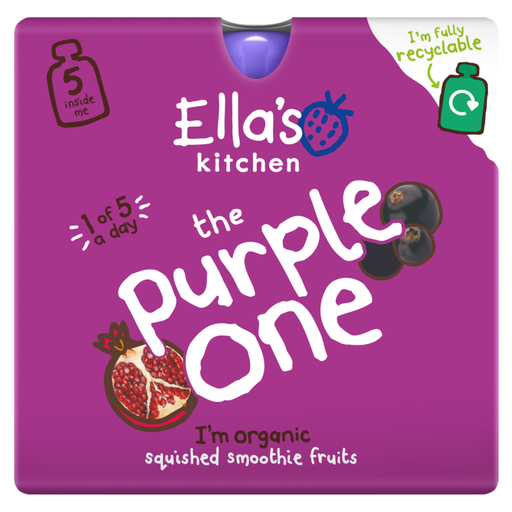 Image unavailable
Ella's Kitchen The Purple One Snack, 6+ months, 5 x 90g
This smooth pouch food can be served by an adult, but it does not give a baby a finger food to hold. The pack name states 6+ months and 5 x 90g; keep the pouch cap out of a young child’s reach.
View on Joybuy
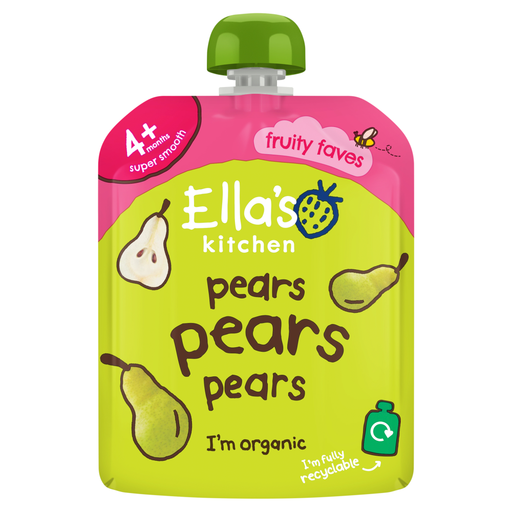 Image unavailable
Ella's Kitchen Organic Pears Pouch, 4+ months, 70g
This pear pouch is a smooth food to serve separately from finger-food practice. Its name states 4+ months and 70g; that pack age is not a reason to begin solids earlier than the child’s feeding advice. Keep the cap out of a young child’s reach.
View on Joybuy
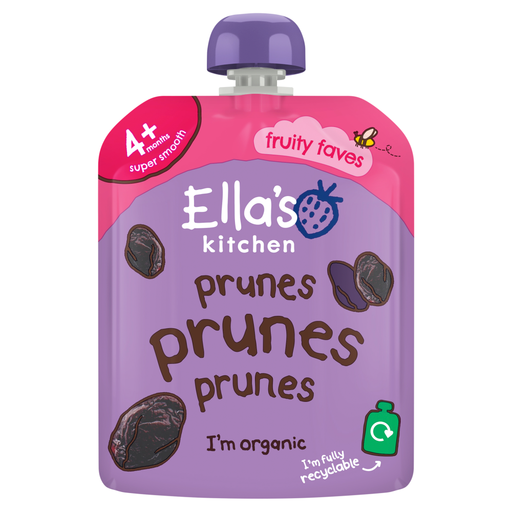 Image unavailable
Ella's Kitchen Prunes Stage 1 Pouch, 4+ months, 70g
This smooth prune pouch can be served by an adult, although it does not replace the experience of holding finger food. Its name states 4+ months and 70g; follow the child’s feeding stage rather than the pack age alone, and keep the cap out of reach.
View on Joybuy
Questions about bars and weaning
Should I give a baby under 12 months a low-calorie protein bar as a snack?
No: do not choose an adult protein bar for that purpose. The NHS says babies under 12 months do not need snacks and advises offering an extra milk feed if they seem hungry between meals. At mealtimes, offer appropriately prepared foods for the baby’s stage.
Does “low sugar” make a bar suitable for a young child?
No. A low-sugar description does not tell you whether the product contains sweeteners or is appropriate for the child’s age. The NHS advises avoiding foods and drinks with sugar or sweeteners for children aged 4 or younger.
How should I serve finger foods during baby-led weaning?
Consider the food’s size, shape and texture, avoiding firm foods and round shapes and using narrow batons where appropriate, as the NHS advises. UK Government guidance says babies and young children should be alert and seated safely upright while eating; supervise them throughout.
Can I use a protein bar to introduce milk, nuts or soya?
Do not use a multi-ingredient adult bar as a first introduction. The NHS advises introducing foods that can trigger allergic reactions one at a time and in very small amounts so that a reaction can be identified. Check the ingredients of the exact food you serve.
What if I have been told my child needs more energy or protein?
Follow an individual feeding plan rather than substituting a low-calorie bar. West Suffolk NHS Foundation Trust says higher-energy weaning should be agreed and supervised by a dietitian; discuss the child’s needs with their relevant clinician or paediatric dietitian.


