
24/7 全天候客户支持

免费退货

当日/次日达

品质保障

开启新人专享福利: 全场免邮 | 低至 2 折 | 免费试用 30 天 JoyPlus 会员
下载 Joybuy
As a new or expectant parent, preparing for your baby's arrival involves countless decisions. Among the most important is stocking your home with the right baby care essentials. Navigating the aisles of baby health products can be overwhelming, with shelves full of items all promising to be the solution. This guide will help you cut through the clutter and build a practical, effective baby medicine cabinet, ensuring you are prepared for common ailments without wasting money on unsuitable products.
Before you start adding items to your basket, it is crucial to be aware of a few common purchasing traps that can lead to frustration and wasted expense.
To build a truly useful collection of baby medicine cabinet essentials, focus on a few core parameters. These non-negotiable checks will ensure the products you choose are safe, effective and practical for your family.
Always check the packaging for the manufacturer's age and, where specified, weight guidelines. These are determined in line with UK regulations from bodies like the MHRA (Medicines and Healthcare products Regulatory Agency) to ensure safety. For a newborn first aid kit, this is particularly critical. For example, some infant paracetamol formulations are suitable from two months, but only if the baby weighs over 4kg and was not born prematurely. Always read the label carefully.
Understanding the active ingredients helps you choose the right product for the right problem.
colic drops for babies.baby teething relief, you will find gels that create a protective film over the gums or traditional herbal remedies containing ingredients like Tincture of Matricaria (Chamomile), known for its soothing properties.baby congestion relief, gentle vapour rubs containing ingredients like Eucalyptus Oil and Menthol can be applied to the chest (not the face or nostrils) to help ease breathing. An electric nasal aspirator can also be a very effective tool for clearing a blocked nose.Consider how you will administer the product. A good design can make all the difference. Look for features like an integrated dropper, a pre-measured dosing spoon or a no-touch application method. For teething gels, a soft-tipped applicator can be more hygienic and gentler than using a finger. For taking a temperature, a non-contact digital thermometer provides a quick and fuss-free reading without disturbing a sleeping baby.
Based on these practical considerations, here are a few recommendations matched to the needs of different parents.
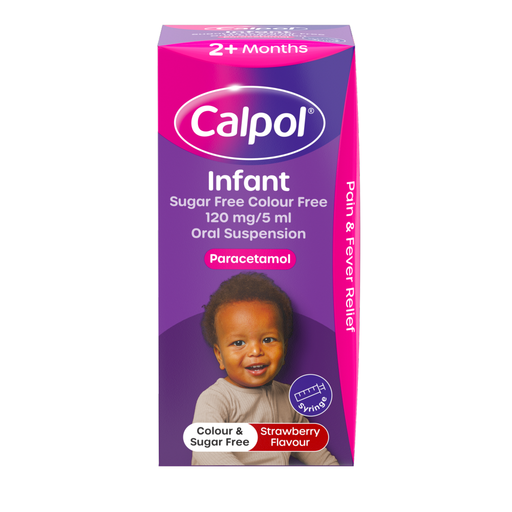
Why This Fits Their Persona: This is a cornerstone product for any baby medicine cabinet. Its versatility in treating pain and fever from multiple causes (teething, colds, post-immunisation) makes it an indispensable item for parents who want to be ready for anything.
It is a multi-symptom solution, preventing the need to buy separate products for fever and teething pain. The included dosing spoon ensures accurate and practical administration.
The sugar-free and colour-free formula is gentle on little tummies. It starts to work on fever in just 15 minutes, providing fast relief.
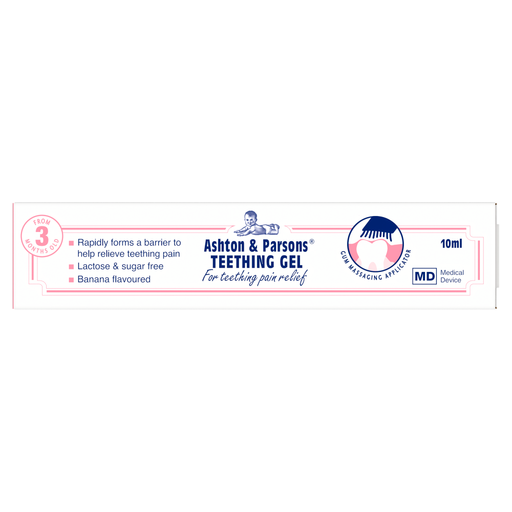
Why This Fits Their Persona: For parents needing targeted relief from teething pain, this gel offers a practical solution. Its suitability from 3 months and hygienic applicator make it a go-to choice when the first signs of teething appear.
It is suitable for babies from 3+ months, avoiding the age mismatch pitfall of 6+ month products. The soft-brush applicator is more hygienic and practical than using a finger.
The bio-adhesive gel rapidly forms an invisible film to help protect sore gums. It is free from lactose, sugar, alcohol and local anaesthetics.
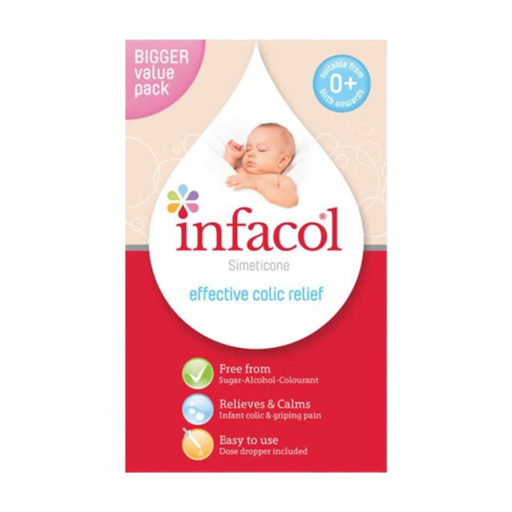
Why This Fits Their Persona: When dealing with the distress of colic, parents need a gentle, effective and easy-to-administer solution. This product is suitable from birth and specifically formulated to relieve the discomfort caused by trapped wind.
Its suitability from birth makes it a safe choice for newborns, avoiding any age-related issues. The integrated plastic dropper ensures accurate dosing and is simple to use before each feed.
The active ingredient, Simeticone, directly addresses the cause of wind. It has a cumulative effect, meaning consistent use over several days can lead to improved relief.
We have compiled a complete, real-time list of products that fully satisfy these strict selection criteria and UK safety regulations.
A basic newborn first aid kit should contain a digital thermometer (a no-touch forehead model is ideal), infant paracetamol liquid (check age/weight suitability), colic drops, a nasal aspirator or vapour rub for congestion and sterile saline drops for cleaning eyes or unblocking a stuffy nose. It is also wise to have some antiseptic wipes and plasters for minor cuts as they get older.
Always follow the dosage instructions on the package or from your GP or pharmacist. For most infant paracetamol products, you can give a dose every 4 to 6 hours, with a maximum of 4 doses in any 24-hour period. It is important not to give it for more than 3 consecutive days without seeking medical advice. Never give paracetamol with other paracetamol-containing products.
Traditional herbal remedies, such as those containing Tincture of Matricaria (from the chamomile plant), have been used by parents for many years. Products like Ashton & Parsons Teething Powders hold a Traditional Herbal Registration (THR) from the MHRA, which indicates they meet specific standards for quality and safety based on long-standing traditional use. They can be a gentle option for soothing symptoms like sore gums and flushed cheeks. However, always check the ingredients for potential allergens, such as lactose.