Who is the milk for?
The intended drinker matters more than the words “lactose-free” on the front of a carton.
Parents choosing milk for themselves
If lactose is the concern but milk protein is tolerated, lactose-free dairy milk is one option for drinks, cereal and cooking. If milk protein must be avoided, check the ingredients and allergen information on a different type of drink.
Parents feeding a baby under one
Ordinary lactose-free grocery milk is not a baby’s main drink. Black Country 0–18 years NHS guidance identifies breastmilk and/or lactose-free infant formula as the main-drink route when a baby needs lactose restriction.
Families concerned about milk allergy
Lactose intolerance and milk allergy are different. Cambridge University Hospitals NHS Foundation Trust warns that specialised lactose-free products can still contain dairy protein, so a suspected allergy needs a different assessment from simply switching to lactose-free milk.
Brand and retailer references
These references help distinguish product types; a retailer category is not an allergen statement for every item in it.
Arla LactoFREE
A lactose-free dairy-milk line. The Arla whole milk drink listed by Tesco contains whole milk and lactase enzyme.
- An option for someone seeking a cow’s-milk format while avoiding lactose.
- It contains milk and must not be treated as dairy-free.
Tesco
A supermarket reference for comparing the names and formats of lactose-free milk products.
- Its Arla whole milk listing identifies the product’s milk and lactase ingredients.
- Check the exact carton rather than treating a category name as dietary guidance.
Sainsbury’s
Its lactose-free listings include a Sainsbury’s Everyday semi-skimmed dairy drink.
- The product name identifies a semi-skimmed dairy option for comparison.
- “Lactose-free” on a dairy drink does not mean it contains no milk protein.
M&S Food
A reference for own-label lactose-free dairy milk, including its Made Without Lactose semi-skimmed product.
- Marks & Spencer gives an explicit allergy warning for its lactose-free products.
- Marks & Spencer says they are not suitable for people with a dairy allergy or galactosaemia.
Waitrose
A retailer reference whose dairy and lactose-free category includes an Arla LactoFREE product.
- The listing gives shoppers a named lactose-free dairy product to inspect.
- Check each item’s ingredients; the category name alone does not establish that it is dairy-free.
Joybuy options for different drinkers
These options serve different household decisions: a lactose-free infant formula for a baby when advised, and a soya drink to consider for an adult seeking a plant-based drink. Neither is lactose-free cow’s milk.
 No image available
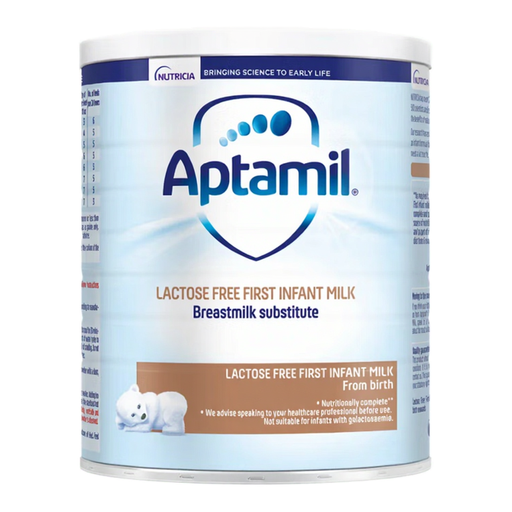
Aptamil Lactose Free Baby Milk Formula From Birth 400g
This infant-formula option is for a baby whose lactose restriction and formula choice have been advised; its product information requires medical supervision.
It is labelled from birth and comes as a 400g powder. Lactose-free formula should not be assumed suitable for cow’s-milk-protein allergy; check the ingredients and follow the preparation instructions and the baby’s clinician’s advice.
Joybuy
 No image available
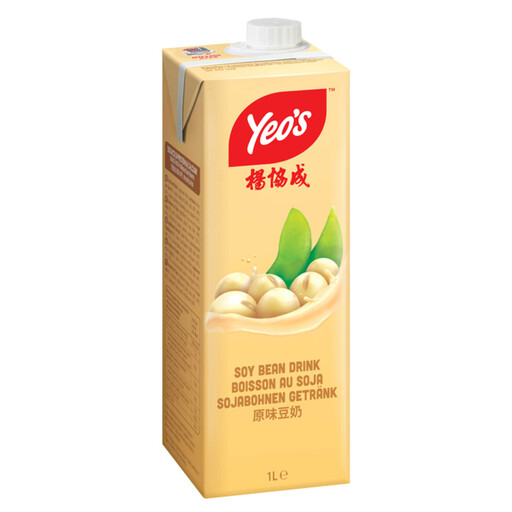
Yeo’s Soy Bean Drink 1L
This soya drink is an option for an adult household member considering a plant-based drink rather than lactose-free cow’s milk.
The carton is 1L. It contains soybeans, so check the current ingredients and full allergen information; use the nutrition panel for any comparison with milk. It is not infant formula or a replacement for a baby’s main milk feeds.
Joybuy
Common questions
Is lactose-free cow’s milk dairy-free?
No. It remains a dairy product: the Tesco listing for Arla LactoFREE Whole Milk Drink, for example, lists whole milk as an ingredient. Check the exact carton if milk protein needs to be avoided.
Can supermarket lactose-free milk be a baby’s main drink?
Not for a baby under one. Black Country 0–18 years NHS guidance says the main drink at that age needs to be breastmilk and/or lactose-free infant formula when lactose restriction is needed. Ask a GP or health visitor about persistent symptoms or uncertainty over feeding.
Does lactose-free milk address cow’s-milk-protein allergy?
No. Cambridge University Hospitals NHS Foundation Trust explains that specialised lactose-free products can still contain dairy protein. If a milk allergy is suspected, seek a healthcare professional’s assessment rather than substituting lactose-free dairy milk.
How should lactose-free milk be stored after opening?
Follow the instructions on the exact pack, including its refrigeration and after-opening directions. Do not assume that different brands or fresh and long-life formats have the same instructions.
Which label details matter when comparing these drinks?
Read the full ingredients list and allergen information on the exact carton, not just “lactose-free” or a supermarket category name. For a nutrition comparison, use the products’ per-100 ml panels and check that you are comparing the intended types of drink.


