
24/7 Customer Support

Free returns

Same-day & Next-day Delivery

Quality Guaranteed

Unlock Your Welcome Offers: FREE Delivery | Up to 80% OFF | Free 30-day JoyPlus trial
Download the APP
Choosing baby milk formula can feel complicated when tins use terms such as first infant milk, follow-on milk, toddler milk, organic, comfort and anti-reflux. The right choice depends less on impressive-sounding claims and more on your child’s age, feeding needs, ingredients and preparation routine.
This guide explains the key checks to make before buying, highlights common marketing traps and matches several options to different family situations.
Stage 1 baby formula, also called first infant milk, is designed for babies from birth. Stage 2 formula milk, or follow-on milk, is intended for babies over six months as part of a mixed diet. Stage 3 toddler milk is generally aimed at children from 12 months onwards.
These products are not simply different-sized tins. Their nutritional compositions and intended age ranges differ. Always check the age statement on the packaging rather than relying only on a large stage number on the front.
Terms such as “gentle”, “natural”, “advanced” or “premium” do not automatically mean a formula is suitable for your child. Organic baby formula concerns how ingredients are produced, while goat milk formula is a different protein source; neither should be treated as a solution for an allergy or digestive condition without professional advice.
Specialist products, including lactose-free baby milk, anti-reflux formula and comfort baby formula, should be used under the guidance of a doctor, midwife, health visitor, dietitian, pharmacist or other appropriate healthcare professional.
A four-pack may reduce the need to reorder, but it is only practical if your baby accepts the product and it matches their current stage. Powder also has a limited period of use after opening. Check the stated shelf life, storage instructions and whether you can use each tin within the recommended period.
For a newborn, look for a clearly labelled first infant milk or “from birth” formula. Examples in this category include Kendamil 1 First Baby Infant Milk, Kendamil Organic Stage 1 and Aptamil Advanced 1.
After six months, follow-on products such as SMA Follow-on Milk, Aptamil 2 and Kendamil Stage 2 are designed to complement a varied weaning diet. Follow-on milk should not be used as a breast milk substitute before six months, and the decision to begin weaning should be based on appropriate health guidance.
From 12 months, toddler products such as SMA Toddler Milk or Nannycare Stage 3 may be considered as part of a balanced diet. They are not the same as infant formula and should not replace varied foods.
Read the full ingredient list, especially if your household needs a particular dietary profile.
Milk and soya are common allergens in these products, and some recipes include fish oil. Compare the label with your child’s dietary requirements every time you reorder.
Powdered formula must be prepared exactly as directed. Common instructions include washing hands, sterilising feeding equipment, using freshly boiled water cooled for the stated period, measuring level scoops and checking the feed temperature before serving.
Do not use heaped scoops or alter the powder-to-water ratio. Avoid microwaving feeds because hot spots can cause scalding. Most of the products listed advise storing unopened and opened powder in a cool, dry place, not in the fridge, and using opened powder within four weeks. Prepared feeds should be used or discarded according to the label instructions.
An 800g tin is a common size. Some listings also offer four-pack bundles, which can suit families with predictable usage but may be less suitable if your baby is changing stage or trying a formula for the first time.
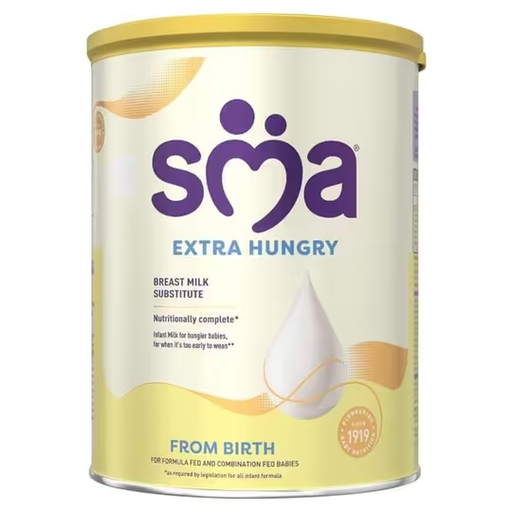
Why This Fits Their Persona: A single 800g tin gives new or combination-feeding families a manageable way to buy formula without committing to a multipack immediately.
The age range is clearly stated as from birth, helping avoid a stage mismatch. It also lists a standard 1 scoop per 30ml preparation ratio.
From-birth suitability, DHA from microalgae, no palm oil or fish oil, and Halal certification stated in the product information.
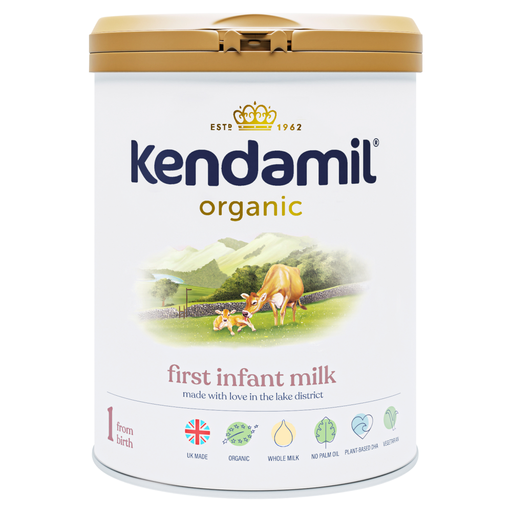
Why This Fits Their Persona: Suitable for families prioritising organic ingredients, British sourcing and a vegetarian-friendly formula for a newborn.
It makes the organic status and from-birth stage clear, so shoppers can assess production standards separately from age suitability.
Organic whole milk ingredients, plant-based DHA, and no palm oil or fish oil according to the listing.
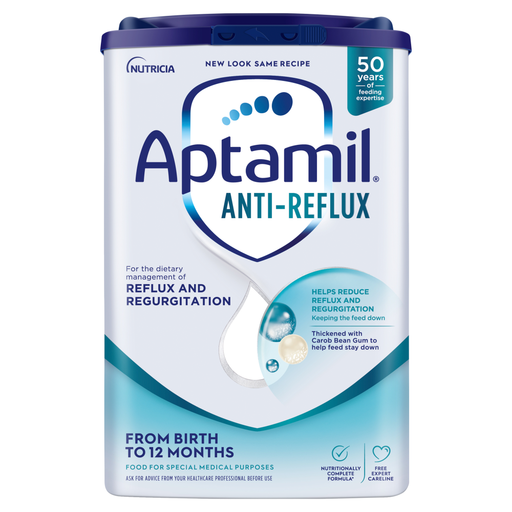
Why This Fits Their Persona: A specialist option for bottle-fed infants with frequent reflux or regurgitation, but only where a healthcare professional recommends it.
It is clearly identified as a food for special medical purposes rather than a general-purpose formula. The listing specifies carob bean gum and medical supervision.
Thickened formula and instructions to use a fast-flow teat, with suitability stated from birth to 12 months.
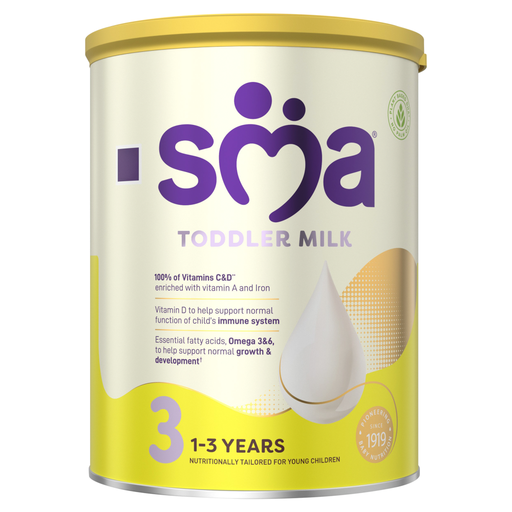
Why This Fits Their Persona: Designed for families looking for a stage 3 toddler milk for children aged one to three as part of a balanced diet.
The age range is clearly stated, helping parents avoid buying an infant or follow-on product for a toddler.
Includes iron, vitamin D and omega 3 and 6 and is listed as Halal certified and suitable for vegetarians.
We have compiled a complete, real-time list of products that fully satisfy these strict selection criteria and UK safety regulations.
First infant milk is suitable from birth when formula is needed. Follow-on milk is for babies over six months and is used alongside a mixed weaning diet. It should not be given before six months unless a healthcare professional provides specific advice.
Many powdered products state that they should be used within four weeks of opening when stored in a cool, dry place with the lid securely closed. Always follow the individual tin’s instructions, check the best-before date and discard powder or prepared feeds that are no longer within the stated safe-use period.
Toddler milk is an optional product for children aged 12 months and over, rather than a direct replacement for a varied diet. Compare its ingredients, age range and preparation requirements with your child’s usual foods and drinks. If you have concerns about growth, allergies or feeding, ask a qualified healthcare professional for individual advice.