
24/7 Customer Support

Free returns

Same-day & Next-day Delivery

Quality Guaranteed

Unlock Your Welcome Offers: FREE Delivery | Up to 80% OFF | Free 30-day JoyPlus trial
Download the APP
Choosing baby milk formula can feel harder than it should. Tins often highlight DHA, organic ingredients, whole milk or specialist recipes, but the most important questions are more practical: Is it suitable for your baby’s age? Does it contain an ingredient your family avoids? Will the pack be used before opening limits and storage dates become an issue?
This guide explains the key checks for UK parents and carers, followed by Our Top Recommendations for different feeding needs.
A first infant milk, often called stage 1 baby milk or formula milk from birth, is intended for babies from birth when breast milk is not being used or for combination feeding. Follow-on milk is for babies over six months as part of a mixed diet. Toddler milk is generally labelled for children from 12 months onwards and is not a breast milk substitute.
Do not move to a higher stage solely because a tin suggests it is more advanced. Check the age guidance on the packaging and speak to a midwife, health visitor, pharmacist, dietitian or doctor if you are unsure.
Terms such as “gentle”, “advanced”, “natural” and “premium” do not automatically mean a formula will suit every baby. Ingredients and preparation instructions matter more than promotional wording.
Specialist products require particular care. For example, lactose-free baby formula should only be used under medical supervision. Similarly, a comfort baby milk designed for dietary management of colic or constipation should be discussed with a healthcare professional before use.
An 800g baby milk powder tin or four-pack bundle may seem convenient, but it is sensible to confirm that your baby accepts the formula first. Once opened, many powdered formulas should be used within four weeks and stored in a cool, dry place rather than in the fridge. A bulk purchase can create waste if your baby changes stage or the product is not suitable.
Start with the label:
Follow the manufacturer’s feeding guide rather than adjusting scoop quantities to make a feed thicker or more filling. Incorrect ratios can affect the nutritional balance.
Check the full ingredients list, not only the front of the tin. Families may be looking for:
Goat milk formula is not automatically suitable for a cow’s milk protein allergy, as the proteins can be similar. Ask a healthcare professional before changing formula for suspected allergy, reflux, persistent constipation or digestive symptoms.
Powdered infant formula is not sterile. For safe preparation, wash hands, sterilise feeding equipment and follow the product instructions carefully. Many UK formulas advise using freshly boiled water cooled for no more than 30 minutes, so it remains at approximately 70°C. Measure water first, then add level scoops using the supplied scoop.
Shake until dissolved, cool the feed under running water and test it on the inside of your wrist. Do not microwave feeds because hot spots can cause scalding. Discard unfinished feeds according to the label instructions, and never use powder after its recommended period once opened.
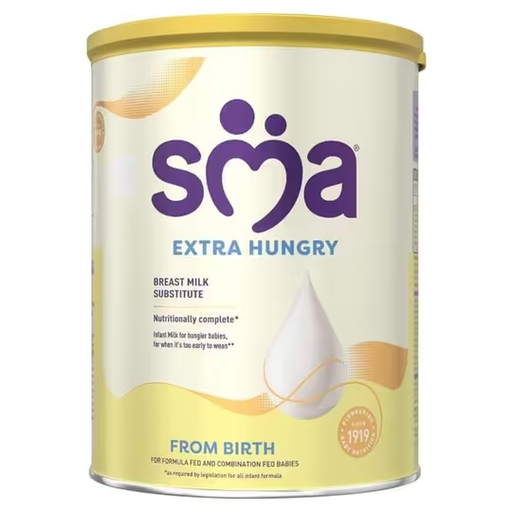
Why This Fits Their Persona: A practical option for families seeking a from-birth formula in a standard 800g tin, including combination-feeding households.
The age guidance is clearly stated as from birth, helping shoppers avoid accidentally selecting follow-on milk too early.
Contains DHA from microalgae and is made without palm oil or fish oil; it is also Halal certified.
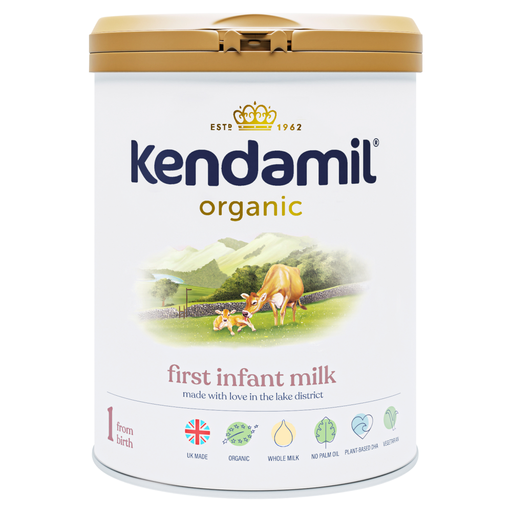
Why This Fits Their Persona: Suits shoppers who prioritise organic sourcing and a British-made first infant milk for newborn feeding.
The organic status and from-birth stage are distinct label details, so buyers can check both rather than relying on general quality wording.
Uses organic whole milk and DHA from microalgae; the recipe contains no palm oil or fish oil.
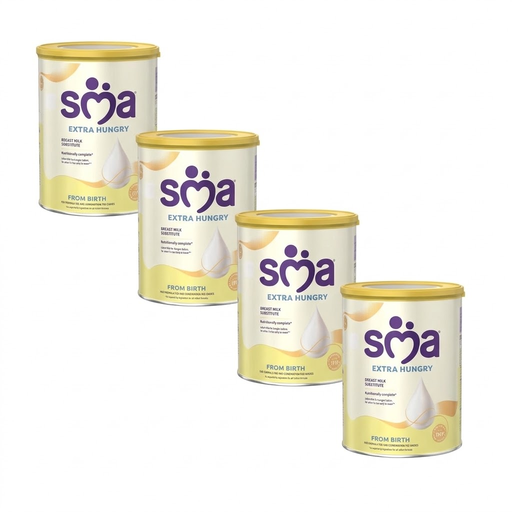
Why This Fits Their Persona: Designed for households that already know the formula suits their baby and want fewer repeat orders.
A multi-pack is most sensible after checking stage, ingredients and consumption rate, reducing the risk of unused tins.
Provides four 800g tins with the same from-birth recipe, including microalgae DHA and no palm oil or fish oil.
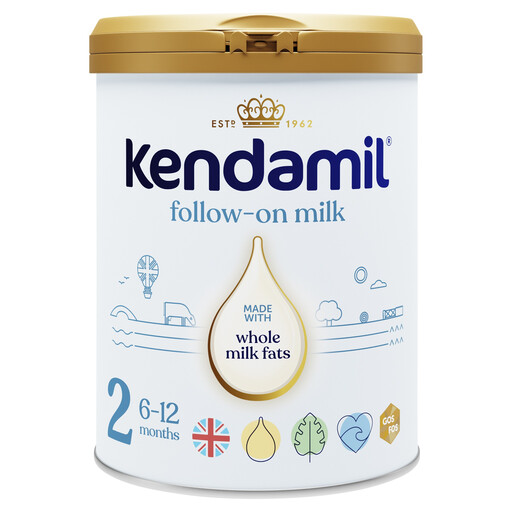
Why This Fits Their Persona: A stage 2 choice for families combining milk feeds with a varied weaning diet after six months.
The 6–12-month stage is clearly identified, helping prevent confusion between first infant milk and follow-on milk.
Uses whole milk and plant-based DHA, and is formulated without palm oil or fish oil.
We have compiled a complete, real-time list of products that fully satisfy these strict selection criteria and UK safety regulations.
Many powdered formulas should be used within four weeks of opening, but always check the specific label. Keep the tin tightly closed in a cool, dry place and do not refrigerate unless the manufacturer says otherwise.
Follow-on milk is an option for babies over six months as part of a mixed diet; it is not automatically required. Follow the advice of your health visitor or another qualified healthcare professional, and do not use it before the stated age.
A switch may be appropriate, but the reason matters. Check the new formula’s stage and ingredients, and seek professional advice for suspected allergy, persistent digestive symptoms or a specialist product such as lactose-free or comfort milk.