
24/7 Customer Support

Free returns

Same-day & Next-day Delivery

Quality Guaranteed

Unlock Your Welcome Offers: FREE Delivery | Up to 80% OFF | Free 30-day JoyPlus trial
Download the APP
Choosing baby milk formula can feel complicated when shelves are filled with stage numbers, nutrition claims, powder tins and ready-to-drink bottles. The right choice depends on your child’s age, dietary needs, feeding routine and advice from a qualified healthcare professional—not simply the most familiar label.
This guide explains the key details to check before buying, highlights common purchasing traps and matches several options to different UK family routines.
A stage number is not just a marketing label. First infant milk is generally intended from birth, while follow-on milk or stage 2 formula is intended for babies over six months as part of a mixed diet. Stage 3 toddler milk is designed for older children, commonly from 12 months onwards.
Do not move to the next stage early just because the packaging suggests it contains additional nutrients. Check the age guidance and speak to your midwife, health visitor, GP, pharmacist or dietitian if you are unsure.
Products such as lactose-free baby formula, comfort milk and thickened formula have specific purposes. Aptamil Lactose Free, for example, is labelled for use under medical supervision. SMA Comfort Infant Milk is described for the dietary management of colic and constipation and may require a faster-flow teat.
These products should not be selected solely because a baby appears unsettled. Discuss symptoms and suitable feeding options with a healthcare professional.
Powder is often practical for regular home feeds, but it requires accurate measuring, sterilised equipment and careful preparation. Ready-to-drink baby milk costs more per feed in many cases, but can be useful for travel, nursery days or occasional late-night feeds.
Likewise, baby formula multipacks can reduce how frequently you reorder, but only make sense when the product is suitable for your child and can be used before its best-before date.
Start by confirming whether you need:
Follow the label rather than assuming that every “stage” is interchangeable. Cow’s milk should not be used as a drink during the first year, and formula should be prepared according to the manufacturer’s instructions.
Read the complete ingredients list every time, especially if your family avoids particular ingredients. Common points to compare include:
Goat milk formula is still milk-based and is not automatically suitable for babies with cow’s milk protein allergy. Ask a healthcare professional before changing formula for allergy, reflux, constipation or suspected intolerance.
Powdered formula requires level scoops, the correct water volume and hygienic equipment. Never add extra powder to make a feed more filling, as incorrect proportions can be harmful. Most products in this selection advise using opened powder within four weeks and storing it in a cool, dry place rather than the fridge.
Ready-to-drink products can usually be poured into a sterilised bottle or feeding cup. Once opened, unused liquid generally needs refrigeration and should be used within the period stated on the packaging. Do not heat formula in a microwave because hot spots can cause scalding.
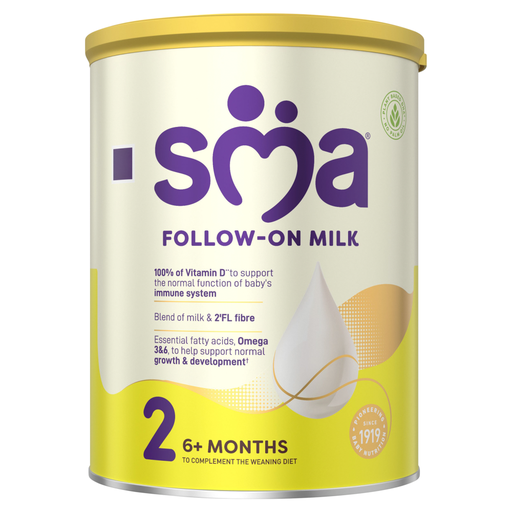
Why This Fits Their Persona: A single 800g tin is a practical way to try a stage 2 formula before committing to a larger multipack, with approximately 29 200ml servings stated on the product information.
The six-month age guidance is clearly stated, helping shoppers avoid buying a follow-on product for a younger baby.
Includes iron, vitamins A, C and D, DHA, an integrated scoop system and a resealable 800g tin.
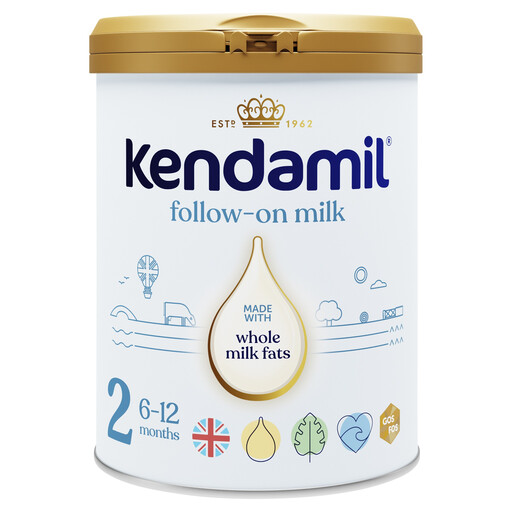
Why This Fits Their Persona: Suitable for families comparing whole-milk recipes, plant-based DHA and ingredient preferences during weaning.
The ingredient list can be checked directly for whole milk, no palm oil and algae-derived DHA rather than relying on front-of-pack wording.
An 800g powder tin with whole milk, GOS, iron and vitamin D; the product information identifies it as vegetarian friendly.
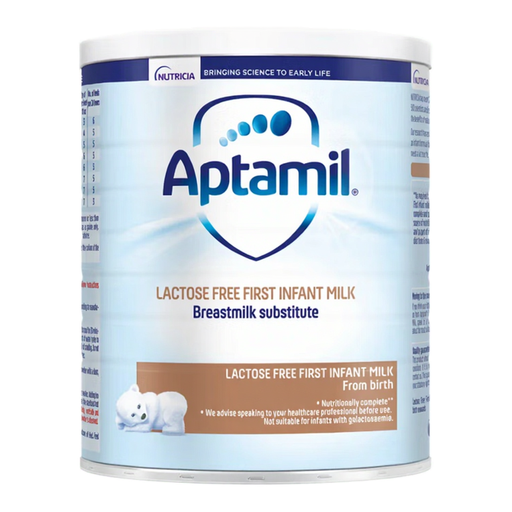
Why This Fits Their Persona: Designed for families who have been advised to use a lactose-free formula for a baby from birth.
It is clearly identified as a formula for special medical purposes, so the medical-supervision requirement is not hidden.
A 400g powder format, with DHA and preparation guidance; it can be used from birth when advised for the stated purpose.
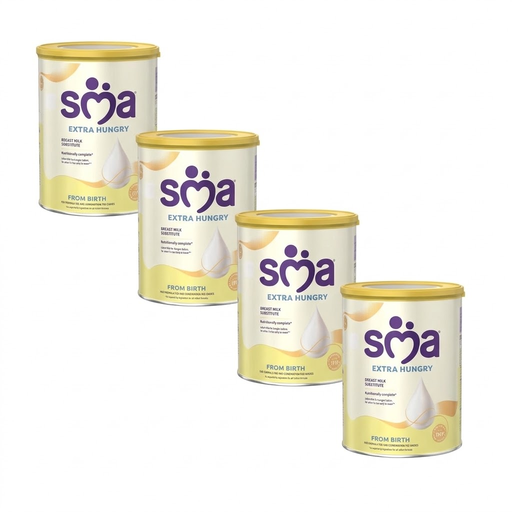
Why This Fits Their Persona: Four 800g tins may suit families who already use this from-birth formula and want fewer repeat orders.
The bundle size is visible before purchase, allowing you to check storage space, best-before dates and whether your baby tolerates the formula.
From-birth suitability, DHA from microalgae, no palm oil or fish oil, and four full-size tins in one order.
We have compiled a complete, real-time list of products that fully satisfy these strict selection criteria and UK safety regulations.
This depends on your baby’s feed volume and the product’s scoop size. One SMA 800g follow-on tin states approximately 177 scoops and 29 200ml servings. Once opened, many powdered formulas should be used within four weeks. Always follow the specific label.
It reduces measuring and mixing, which can help during travel or busy days. However, bottles or feeding cups still need to be sterilised, and opened liquid formula must be stored and used according to the label. Compare the bottle size with your baby’s usual feed to reduce waste.
A switch may be possible, but babies can respond differently to changes in ingredients or texture. Do not change to a specialist formula without appropriate advice. Check the age stage, allergens, preparation instructions and storage requirements before making a change.