
24/7 Customer Support

Free returns

Same-day & Next-day Delivery

Quality Guaranteed

Unlock Your Welcome Offers: FREE Delivery | Up to 80% OFF | Free 30-day JoyPlus trial
Download the APP
Choosing baby milk formula is rarely as simple as picking the most familiar tin. UK parents must match the product to a child’s age, feeding routine, dietary requirements and storage arrangements. Packaging can also make similar products appear very different, while phrases such as “natural”, “gentle” or “advanced” may not tell you whether the formula suits your household.
This guide highlights common buying traps and explains the practical details to check before ordering infant formula, follow-on milk or toddler growing-up milk online.
Formula stages are age-specific. Infant formula from birth, often labelled Stage 1 or first infant milk, is intended for babies from birth when they are not breastfed or when combination feeding is chosen with appropriate professional advice.
Follow-on milk is for babies over six months and forms part of a mixed diet. Products such as Nannycare Stage 2 follow-on milk and Kendamil Stage 2 follow-on milk should not be used as a substitute for breast milk before six months.
For children aged 12 months and above, a toddler growing-up milk such as Nannycare Stage 3 may be considered as part of a varied diet. It is not interchangeable with infant formula, so always check the age range on the label.
Goat milk formula can appeal to families looking for a goat-milk-based option, but it still contains milk proteins and is not suitable for children with cow’s milk protein allergy unless a healthcare professional specifically advises it. Goat milk is also not automatically easier to digest for every baby.
Read the full ingredient list rather than relying on front-of-pack wording. Check for milk, fish, soya and other allergens, particularly when switching from one formula to another.
A four-pack bundle can reduce the frequency of online orders, but only if the child is likely to use the formula before the tins pass their best-before date. Once opened, powdered formula products in this selection should generally be kept airtight in a cool, dry place and used within four weeks. Do not refrigerate opened powder unless the label specifically instructs you to do so.
For occasional feeds, travel or overnight convenience, ready-to-feed baby formula may be more practical than buying several large tins.
Start with the child’s age, not the brand name. Check whether you need:
The UK Department of Health recommends introducing solid foods at around six months. Follow the advice of your midwife, health visitor, GP, pharmacist or dietitian if your baby has specific nutritional needs.
Compare the first several ingredients and allergen declarations. Kendamil Organic Stage 1 infant milk uses organic whole milk and plant-based DHA from algae according to the supplied product information. Kendamil Stage 2 products are described as vegetarian-friendly and made without palm oil, while Nannycare products use goat milk and include DHA sources.
These features may matter if your family prefers organic baby food, vegetarian-friendly ingredients, palm-oil-free recipes or goat milk. However, “organic” or “natural” does not by itself determine suitability. Nutritional composition and age labelling remain essential.
Powdered formula normally requires sterilised equipment, freshly boiled water cooled according to the manufacturer’s instructions, accurate levelling of scoops and careful temperature checking. Never add extra powder or water to alter the concentration.
Liquid formula is already prepared, making it useful for travel and busy routines. Once opened, unused liquid should be refrigerated promptly and consumed within the period stated on the label. Never microwave a bottle, as uneven hot spots can occur.
Compare the price per 100g or 100ml, not just the headline price. For multipacks, check the number of tins or bottles, the tin size and the expected consumption rate.
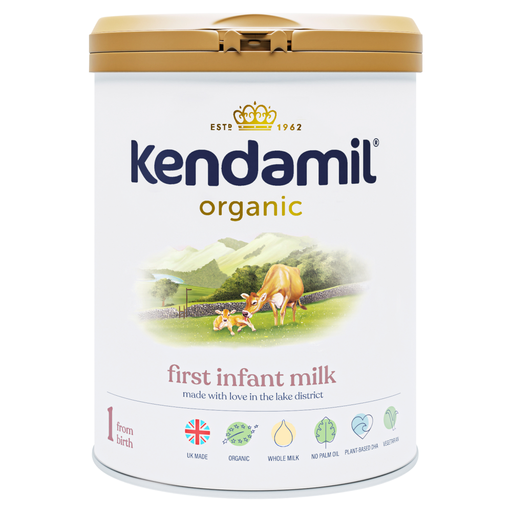
Why This Fits Their Persona: A single 800g tin gives new parents a straightforward way to compare an organic, whole-milk-based infant formula before committing to a multipack.
The from-birth stage is clearly identified, helping reduce the risk of buying follow-on milk too early. The 800g format also limits waste while you assess household usage.
Organic whole milk is listed as the primary ingredient; plant-based DHA from algae is suitable for vegetarian preferences.
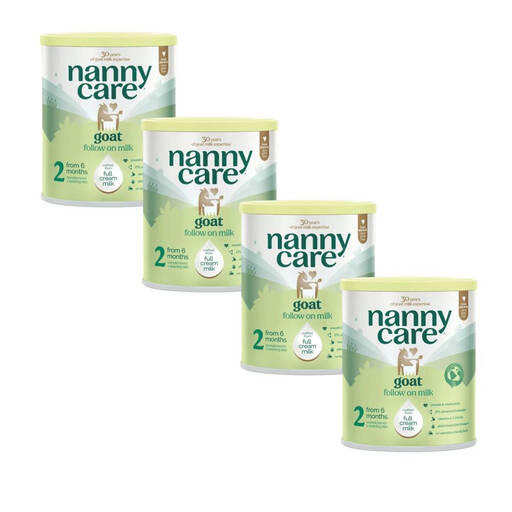
Why This Fits Their Persona: Suitable for families seeking goat-milk-based formula for babies over six months and wanting a consistent supply during weaning.
The Stage 2 and 6+ months labelling makes the age boundary visible. Buyers can also review the milk and fish allergen information before ordering a larger bundle.
Four 800g tins provide a planned supply; the product information lists goat milk, vitamin D, iron and DHA.
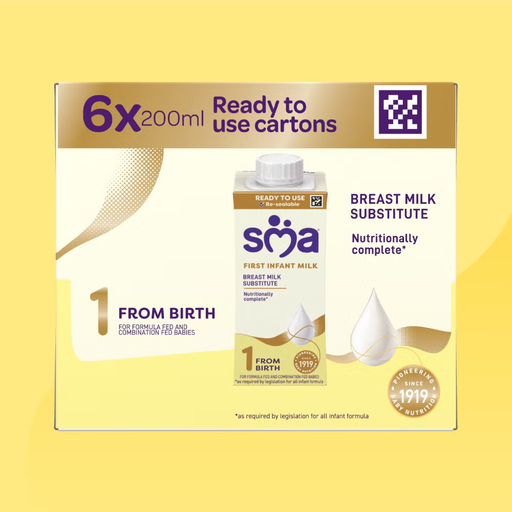
Why This Fits Their Persona: A practical choice for travel, late-night feeds or families who use ready-to-feed formula regularly and want several small bottles together.
The liquid format removes powder measuring and water cooling at the point of use. Each 200ml bottle is individually packaged, so check the best-before date and storage instructions.
Six 200ml ready-to-feed bottles; suitable from birth according to the supplied product information.
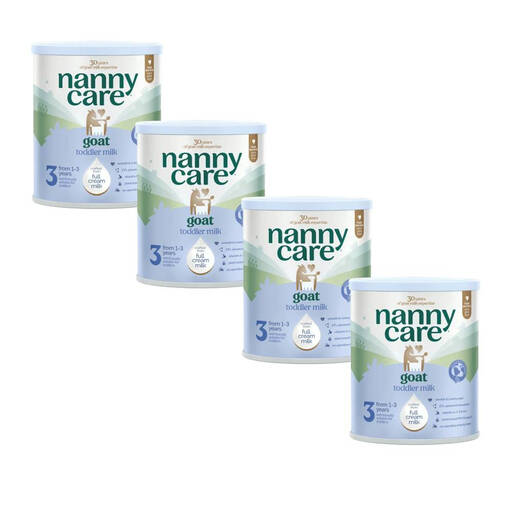
Why This Fits Their Persona: Designed for households planning regular milk feeds for a child aged 12 months to three years alongside meals and snacks.
The 12+ months stage helps prevent using follow-on milk beyond its intended age range. A four-tin bundle suits higher usage but should only be ordered when storage and consumption are realistic.
Goat-milk-based recipe; product information lists vitamin D, iron and DHA.
We have compiled a complete, real-time list of products that fully satisfy these strict selection criteria and UK safety regulations.
Milk is only one part of a child’s diet after weaning begins. A product such as organic baby food may offer a convenient meal option, but check its age label, texture and allergens. For example, a textured pouch labelled 7+ months should be served with the child seated and supervised.
Baby cereal from 12 months can be used as a spoon-fed complementary food, not as a breast milk substitute. Products containing honey must not be given to children under 12 months. Compare sugar content, serving size and preparation instructions rather than assuming a larger tin represents better value.
Check the individual label. The products featured here state that opened tins should be kept airtight in a cool, dry place and used within four weeks. Use a clean, dry scoop and never add a wet scoop to the powder.
Powder is often more economical per prepared feed, but ready-to-feed liquid can reduce preparation time and equipment needs. Calculate the price per 100ml and include likely waste, travel requirements and refrigeration after opening.
Do not switch solely because of advertising claims about gentleness or digestion. Goat milk formula still contains milk proteins, and any baby with suspected allergy, feeding difficulty or unusual symptoms should be assessed by an appropriate UK healthcare professional. Always follow the new product’s preparation instructions and age guidance.