
24/7 Customer Support

Free returns

Same-day & Next-day Delivery

Quality Guaranteed

Unlock Your Welcome Offers: FREE Delivery | Up to 80% OFF | Free 30-day JoyPlus trial
Download the APP
As a new or expectant parent, navigating the world of baby milk formula can feel overwhelming. Shelves are lined with tins and cartons, each making compelling claims. It’s easy to feel pressured into buying a product that might not be the most suitable or cost-effective choice for your family. My role as Joybuy’s Product Recommendation Officer is to help you see past the marketing clutter and focus on what truly matters for your baby.
Before you make a decision, let's look at a few common pitfalls that can lead to confusion and unnecessary expense.
To make an informed choice, focus on these three key parameters. They are the non-negotiables that ensure you are buying the right product for your child's age and your family's lifestyle.
Baby formula is specifically tailored to different developmental stages. Using the wrong stage can mean your child isn't getting the right balance of nutrients.
The vast majority of formulas are based on cow's milk, but there are other options available.
This choice comes down to balancing your budget with your need for convenience.
Based on these practical considerations, here are a few options matched to different parental needs.
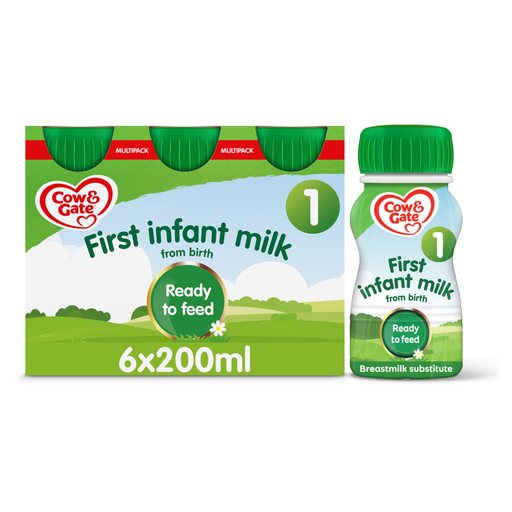
Why This Fits Their Persona: For parents juggling a busy schedule, travelling or simply wanting to make night feeds as simple as possible, this ready-to-use format is a lifesaver. There is no need for measuring or mixing, just pour and serve.
It directly addresses the convenience vs. cost trade-off. By using it strategically for specific situations rather than every feed, parents can manage their budget while still benefiting from the ease of use when they need it most.
UHT sterilised for safety and requires no preparation, eliminating the risk of measurement errors. It is also formulated without palm oil and is suitable for vegetarians.
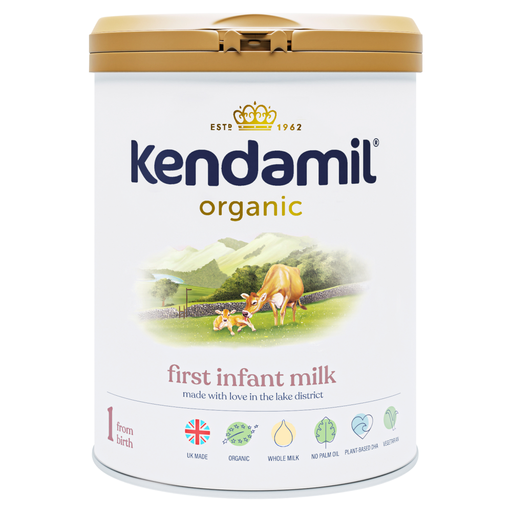
Why This Fits Their Persona: This formula is for parents who prioritise British-made products, organic ingredients and sustainability. Kendamil sources its organic whole milk from local UK farms and avoids palm oil and fish oil in its formulation.
It turns the "organic halo effect" into a tangible choice. Parents choosing this are not just buying a label; they are actively selecting a product based on its specific sourcing, full-cream recipe and vegetarian-friendly DHA.
Uses organic whole milk as a natural fat source and plant-based DHA from microalgae, making it suitable for vegetarians. It is also produced in the UK, supporting local farmers.
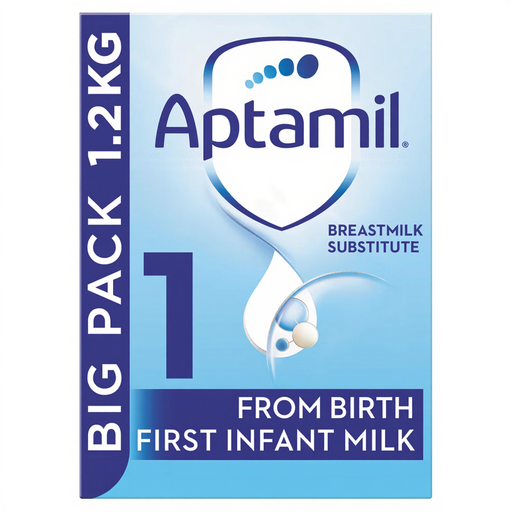
Why This Fits Their Persona: This bulk-buy format provides a nutritionally complete first infant milk from a trusted brand at a lower cost per gram. The twin-bag design helps maintain freshness while offering better value for money.
It bypasses the "advanced" formula trap by offering the standard, scientifically developed Stage 1 formula. The focus is on providing core nutrition in a cost-effective package, not on paying a premium for non-essential extras.
Excellent value with 1.2kg of powder per box. The two sealed 600g bags ensure you only open what you need, keeping the rest fresh for longer than a single large tin might.
We have compiled a complete, real-time list of products that fully satisfy these strict selection criteria and UK safety regulations.
In the UK, all infant formulas must meet strict legal requirements for their composition, so they are broadly very similar. Switching between brands is generally fine, but it is sometimes suggested to do so gradually (e.g., by alternating feeds) to give your baby's digestive system time to adapt. If you have any concerns, it is always a good idea to speak with your health visitor or GP.
Most powdered formulas, typically sold in 800g tins, should be used within four weeks of opening the seal. This is to ensure both freshness and nutritional stability. Always write the date you opened the tin on the lid as a reminder. Store the tin in a cool, dry place with the lid tightly closed—never in the refrigerator.
No, goat milk formula is not recommended for infants with a diagnosed Cow's Milk Protein Allergy (CMPA). The proteins in goat's milk are very similar to those in cow's milk and are likely to cause the same allergic reaction. If you suspect your baby has CMPA, you must speak to a healthcare professional who can advise on suitable hypoallergenic formulas.