
24/7 Customer Support

Free returns

Same-day & Next-day Delivery

Quality Guaranteed

Unlock Your Welcome Offers: FREE Delivery | Up to 80% OFF | Free 30-day JoyPlus trial
Download the APP
Navigating the world of baby milk can feel like a full-time job. The shelves are lined with tins and boxes, each promising to be the right choice for your little one. As a Joybuy Product Recommendation Officer, my role is to help you cut through the clutter and focus on what truly matters. Many parents find themselves caught in common traps, so let's first look at how to avoid them.
To make an informed decision, focus on these core parameters. They cut through the marketing hype and get to the heart of what your child needs.
In the UK, baby milk is categorised into clear stages to match a child's nutritional requirements as they grow.
The ingredient list tells a story about the formula's quality and philosophy.
To help you match a product to your circumstances, here are a few options from our catalogue, aligned with different parental needs.
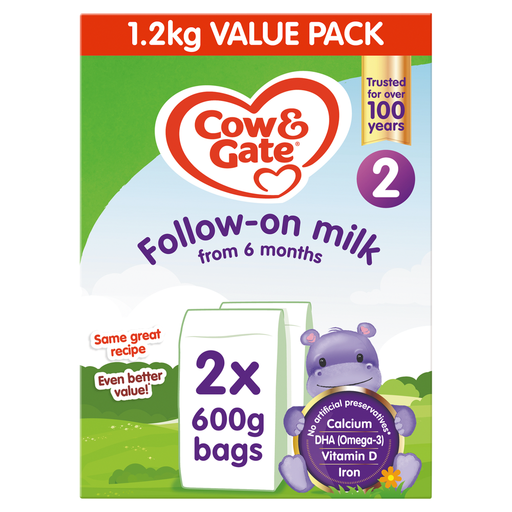
Why This Fits Their Persona: For parents starting the weaning journey, this offers a practical and trusted option. The value pack format is economical, and the formula is specifically designed to complement a diet that now includes solids, providing key nutrients for this new developmental stage.
This is a clear Stage 2 follow on milk, helping you avoid the pitfall of choosing the wrong stage. It's designed for babies from 6 months, not before.
Contains Iron to support normal cognitive development and is enriched with Vitamin D and Calcium for bone health. Formulated with no palm oil.
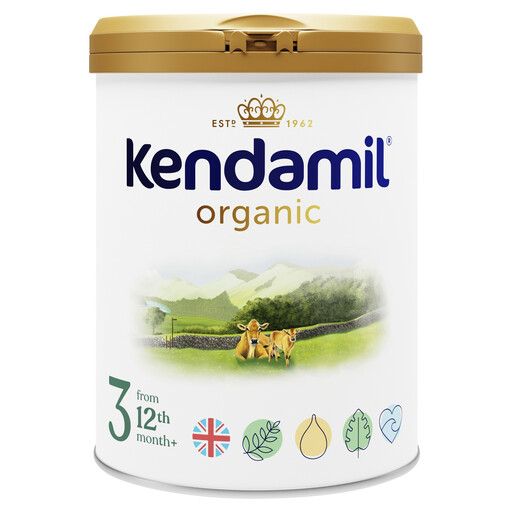
Why This Fits Their Persona: Ideal for parents who prioritise natural and ethically sourced ingredients. This formula is made in the UK with organic whole milk from grass-fed cows, appealing to those who value local production and high welfare standards.
This product sidesteps the "organic halo" trap by offering genuine substance behind the label. It is not only organic baby milk but is also free from palm oil and fish oil, using plant-based DHA.
Certified vegetarian and made with whole milk, providing a natural fat source. Enriched with Vitamins C, A, D and Iron to support development.
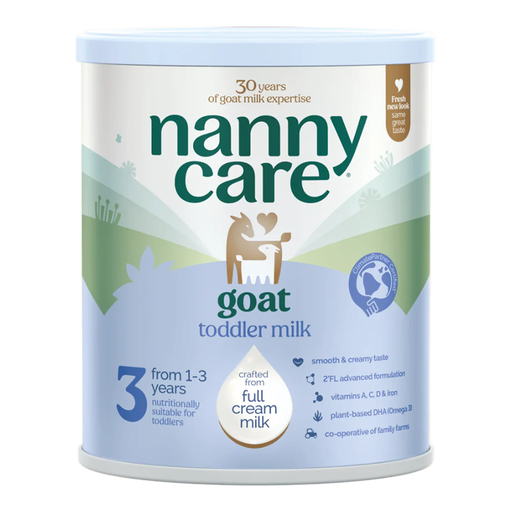
Why This Fits Their Persona: For parents of toddlers who are looking for an alternative to cow's milk-based formulas. This goat milk formula is known for being gentle and is made from high-quality New Zealand goat milk, offering a different protein profile.
This choice directly addresses the need for an alternative without resorting to a specialised medical formula unnecessarily. It's a mainstream, nutritionally complete option for toddlers aged 1-3 years.
A gentle alternative to cow's milk. It is fortified with Vitamin D for bone development and contains DHA (Omega-3) to support normal visual development.
We have compiled a complete, real-time list of products that fully satisfy these strict selection criteria and UK safety regulations.
Once opened, a tin of baby milk powder should typically be used within 3 to 4 weeks. Always check the packaging for the manufacturer's specific instructions. To maintain freshness, store the tin in a cool, dry place (not the fridge) with the lid tightly closed.
Yes, it is generally fine to switch between brands of a similar stage formula. However, some babies have more sensitive tummies and may need a gradual transition. You could try alternating feeds between the old and new formula for a few days. If you have any concerns, it is always a good idea to have a chat with your health visitor or pharmacist.
While a toddler can get their nutrients from a balanced diet including cow's milk, toddler milk is not just "expensive milk." It is specifically fortified with nutrients that are crucial for this age group but can be hard to get in sufficient quantities from food alone, such as iron, Vitamin D and Omega-3. It can be a useful way to ensure your active toddler is getting the vitamins and minerals they need for healthy growth and development.