
24/7 Customer Support

Free returns

Same-day & Next-day Delivery

Quality Guaranteed

Unlock Your Welcome Offers: FREE Delivery | Up to 80% OFF | Free 30-day JoyPlus trial
Download the APP
As a parent, keeping your little one’s skin soft, healthy and comfortable is a top priority. Yet, the moment you search for a baby moisturiser, you are met with a dizzying array of lotions, creams and butters, all making bold promises. It can be difficult to know which product is genuinely suitable for your baby's delicate skin and which is simply clever marketing.
My role as a Joybuy Product Recommendation Officer is to help you navigate this landscape. We will look past the hype and focus on what truly matters, helping you avoid common purchasing pitfalls and choose a product that delivers gentle, effective care.
Many well-meaning parents find themselves with a cabinet full of unsuitable products. This often happens by falling into one of these three common traps:
To make an informed choice, focus on these key parameters rather than just the marketing claims on the front of the bottle.
A baby's skin barrier is thinner and more sensitive than an adult's, making it more susceptible to irritation. When checking the ingredients, look for gentle, nourishing components and be wary of common irritants.
Not all baby skin is the same. The right moisturiser depends on your child’s specific needs, which can change with the weather or as they grow.
Based on these practical criteria, here are a few standout options matched to different parental needs and priorities.
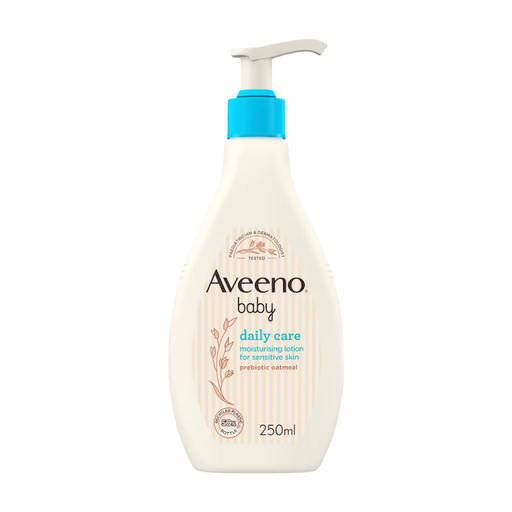
Why This Fits Their Persona: This is a go-to for parents seeking a reliable, no-fuss daily moisturiser. Its unscented, pH-balanced formula is suitable from birth, making it a dependable choice for maintaining healthy skin without causing irritation after the daily bath.
Instead of a vague "hypoallergenic" claim, it offers tangible assurances: it is paediatrician-tested, unscented, dye-free and built around the proven benefits of prebiotic colloidal oatmeal.
The lightweight, non-greasy formula absorbs quickly, providing up to 24 hours of moisture without leaving a sticky residue, making it perfect for everyday use on both face and body.
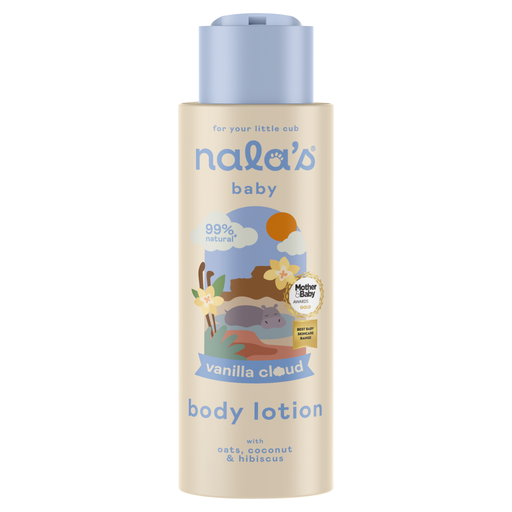
Why This Fits Their Persona: This lotion is ideal for parents who prioritise clean formulations and transparency. It is designed for the most delicate skin, including newborns, and its ingredient-first approach provides peace of mind.
It moves beyond the vague "natural" label by stating it is made with 99% natural origin ingredients and is free from sulphates, parabens and alcohols. The brand also notes its high rating on the Think Dirty app for ingredient cleanliness.
It is paediatrician and dermatologist approved for sensitive and newborn skin, combining nourishing oat and coconut oil with an allergen-free vanilla fragrance for a gentle, pleasant experience.
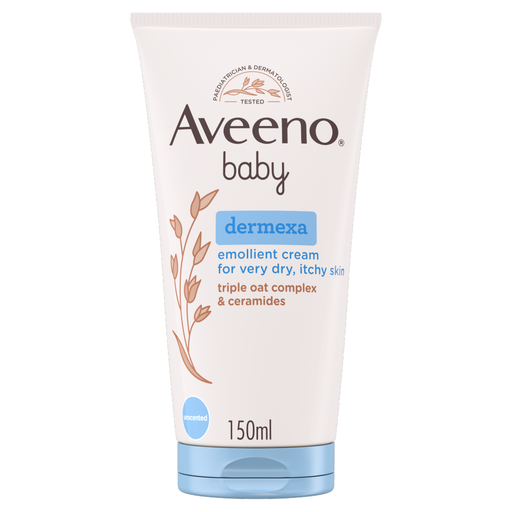
Why This Fits Their Persona: This cream is for parents needing a more targeted solution for very dry, itchy and irritation-prone skin. It is an emollient cream, not just a moisturiser, designed specifically to soothe discomfort and support the skin barrier.
It avoids the "one-size-fits-all" trap by being a specialised product. It correctly identifies that very dry skin needs a richer cream texture with specific barrier-supporting ingredients, not just a light lotion.
The formula is enriched with both ceramides and the brand's highest concentration of triple oat complex (oat extract, oat oil and prebiotic oatmeal) to nourish, protect and soothe from day one.
We have compiled a complete, real-time list of products that fully satisfy these strict selection criteria and UK safety regulations.
For most babies, applying a moisturiser once a day is sufficient, typically after a bath when their skin is clean and slightly damp to help lock in moisture. For babies with very dry skin, you may need to apply it twice a day or as needed, especially on exposed areas like the face and hands during colder months.
Generally, yes. Most baby moisturisers are formulated to be gentle enough for use on both the face and body. However, if your baby has particularly sensitive facial skin or is prone to milk rash or dribble rash, you might consider a dedicated barrier cream for the face. Always check the product label for specific usage instructions.
A lotion is great for daily hydration of normal skin. You should consider switching to a thicker cream or body butter if you notice your baby's skin still feels dry an hour or two after applying lotion, if you see flaky patches or during winter when the air is drier. A richer cream provides a more substantial barrier to prevent moisture loss.