
24/7 Customer Support

Free returns

Same-day & Next-day Delivery

Quality Guaranteed

Unlock Your Welcome Offers: FREE Delivery | Up to 80% OFF | Free 30-day JoyPlus trial
Download the APP
As a Joybuy Product Recommendation Officer, my role is to help you navigate the crowded market of baby essentials. When it comes to something as fundamental as baby muslin cloths, it’s easy to feel overwhelmed. They are presented as the ultimate multi-tasker, but not all cloths are created equal. Many new parents find their initial purchases fall short, leading to frustration and wasted money.
This guide cuts through the marketing jargon. We will look at the common pitfalls that catch out unsuspecting buyers and highlight the key features that truly matter, ensuring you choose a product that is safe, durable and genuinely useful for your family.
Before adding anything to your basket, be aware of these frequent issues that can turn a promising purchase into a disappointment.
To avoid these traps, focus on a few non-negotiable specifications. These details determine the cloth's performance, longevity and safety.
The foundation of a great muslin cloth is its material. Always look for 100% cotton, as it is naturally soft, breathable and gentle. However, the construction is just as important. A multi-layered gauze weave, often described as six-layer cotton, is highly effective. This structure creates tiny air pockets that not only enhance softness but also significantly boost absorbency. Unlike chemically softened fabrics, a well-constructed cotton cloth will actually become softer and more pliable with each wash. This makes it ideal for everything from cotton burp cloths to soft baby bath towels.
Resist the "one-size-fits-all" marketing. The ideal size depends entirely on the intended use.
newborn towel set for after a bath, a lightweight blanket for the pram, a discreet cover for feeding or a surface for nappy changes.A high-quality cotton cloth is a long-term investment. Once your baby has outgrown the need for them, they can be repurposed around the home, championing a more sustainable lifestyle. Their durability and absorbency make them excellent eco-friendly kitchen textiles. They can function as a lint-free cloth for drying glassware, a heavy-duty cotton oven cloth for handling warm (not hot) dishes or even as reusable steamer liners for cooking dumplings and vegetables.
To help you make a confident choice, we have matched some reliable products to different user needs. These selections are based on their objective features and how well they solve the common problems discussed.
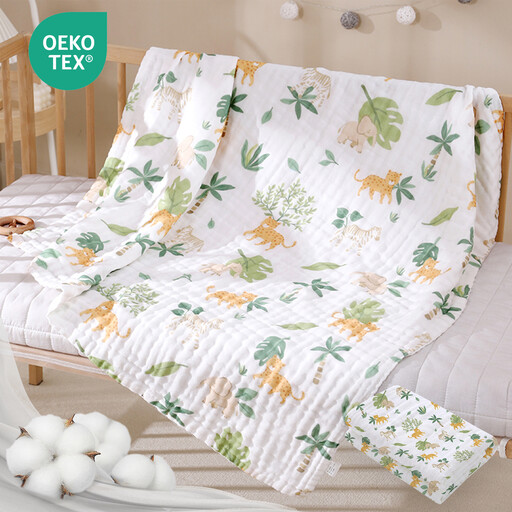
Why This Fits Their Persona: This two-piece set is ideal for new parents who want a coordinated and practical solution. It includes a large bath towel and a smaller hand towel, covering key daily needs without requiring separate purchases.
The six-layer 100% cotton construction is designed for high absorbency and becomes softer with washing, directly countering the "fading softness" and "poor absorbency" traps.
Includes two purpose-driven sizes (70x140cm and 25x50cm). The fabric is quick-drying, which is convenient for frequent use.

Why This Fits Their Persona: This user prioritises sustainability without sacrificing function. This oven cloth is a stylish and practical kitchen accessory that aligns with an eco-friendly ethos.
By being purpose-built for the kitchen from recycled materials, it avoids the trap of flimsy, single-use products and demonstrates the value of durable, reusable textiles.
Crafted from recycled cotton offcuts, reducing landfill waste. It features an insulated polyester lining for enhanced heat protection.
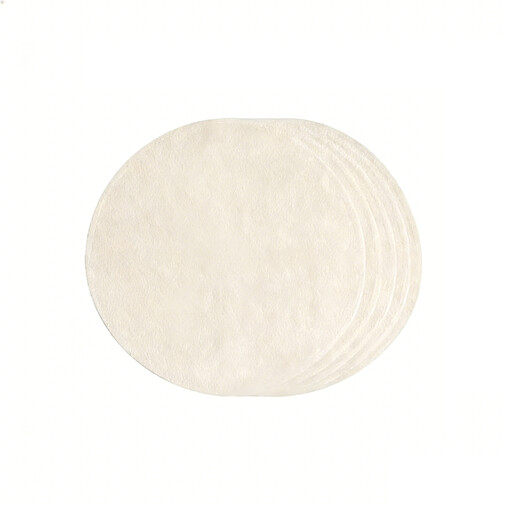
Why This Fits Their Persona: This user needs a functional, no-frills tool for a specific kitchen task. The 10-piece pack of reusable steamer liners offers excellent value and practicality for anyone who frequently steams food.
This is a specialised product, not a "do-it-all" cloth. It avoids the trap of poor performance by being designed specifically as a reusable steamer liner, ensuring it works effectively for that purpose.
The 10-piece pack provides great value for money. Made from 100% cotton, it is a safe and reusable alternative to disposable paper liners.
We have compiled a complete, real-time list of products that fully satisfy these strict selection criteria and UK safety regulations.
1. How many muslin cloths do I actually need for a newborn? There is no magic number, but a good starting point is between 8 and 12. This allows you to have a few in use (in the nursery, in the changing bag), a few in the wash and a few clean and ready to go. You can always add more later if you find you need them.
2. Can you put baby muslin cloths in the tumble dryer? It is generally not recommended. To prevent significant shrinkage and preserve the fabric's integrity, it is best to wash them at a maximum of 40°C and then drip dry. High heat from a tumble dryer can damage the delicate cotton fibres and cause them to shrink.
3. What is the difference between a muslin cloth and a regular cotton towel? The main difference is the weave. Muslin cloths have a looser, open gauze weave, which makes them exceptionally lightweight and breathable. Regular cotton towels, like terry towels, have a looped pile that is thicker and plusher but can be less breathable and slower to dry. For newborns, the gentle, quick-drying nature of muslin is often preferred.