
24/7 Customer Support

Free returns

Same-day & Next-day Delivery

Quality Guaranteed

Unlock Your Welcome Offers: FREE Delivery | Up to 80% OFF | Free 30-day JoyPlus trial
Download the APP
Choosing baby nappies is rarely as simple as picking a familiar packet from the shelf. A nappy that works well for one child may gape at the legs, feel bulky or cause discomfort for another. UK parents also need to compare weight ranges, pack sizes, fastening styles and material claims without relying on vague marketing language.
Whether you need newborn nappies, everyday disposable nappies, overnight nappies or pull-up designs, the following checks can help you avoid waste and choose a practical option for your household.
Age guidance can be useful, but children of the same age may have very different body shapes. The weight range printed on the packaging is usually a more useful starting point. A nappy that is too small may leave red marks and leak around the waist, while an oversized one can create gaps around the legs.
Check the child’s current weight and compare it with the product’s stated range. For example, Nutmeg Baby Ultra Dry Size 3 is listed for babies weighing 4–9 kg, while the Size 7 version is intended for children weighing 15 kg or more.
A jumbo pack can reduce how often you need to shop, but the total pack price does not show the true value. Divide the price by the number of nappies to compare the cost per change. Also consider how quickly your child is growing. Buying several large packs just before a size change can result in unused nappies.
Pack quantity varies considerably, from smaller 18- or 20-count eco-friendly options to packs containing more than 80 disposable nappies. The right choice depends on storage space, changing frequency and how stable your child’s current size is.
Absorbency statements describe product design or stated usage conditions; they should not replace regular checks. Wet or soiled nappies should be changed promptly. Overnight nappies may be useful for longer sleep periods, but fit, fluid volume and movement all affect performance.
A nappy with a highly absorbent core may still leak if the leg cuffs are folded inwards or the fastening tabs are too loose.
Taped nappies are generally convenient for babies who are changed while lying down. Look for adjustable tabs, flexible waist areas and leg cuffs that sit close without pinching.
Nappy pants pull on like underwear and can be more practical for active babies and toddlers. Easy-tear side seams make removal simpler, particularly after a messy change. They can also support children who are beginning to practise dressing themselves, although they may be less convenient for very young babies.
For older toddlers, products such as Huggies Pull-Ups are designed specifically for toilet-training routines. They use a pull-up format rather than conventional adhesive tabs, so check the child’s weight and waist fit before buying.
Look for clear descriptions of the absorbent core, moisture channels, leg cuffs and waistband construction. Features such as a rear pocket, double cuffs or breathable backsheet can be useful, but their practical value depends on correct sizing.
For overnight nappies, compare the stated absorbency features with the child’s usual sleeping pattern. A snug fit around the back and legs is just as important as the absorbent material.
Parents seeking sensitive skin nappies may prefer products that state they are dermatologically tested or free from fragrance, latex or selected allergens. These statements describe product features, not a guarantee that every child will tolerate the materials.
Certifications should also be read carefully. OEKO-TEX Standard 100 relates to testing for certain harmful substances in certified components or products. It is not a promise that a nappy will prevent irritation. If redness or discomfort develops, stop using the product and seek appropriate medical advice where necessary.
For eco-friendly nappies, check what the sustainability claim actually covers. It may refer to plant-based materials, certified wood pulp, packaging, manufacturing energy or biodegradability. These are separate considerations, and “plant-based” does not mean the entire nappy is biodegradable.
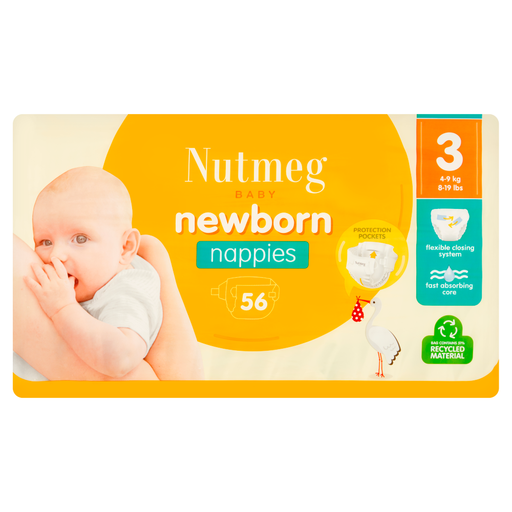
Why This Fits Their Persona: A practical everyday option for families buying size 3 nappies during the fast-changing early months, with a mid-sized pack that avoids overcommitting to one size.
The stated 4–9 kg range makes it easier to match the nappy to weight rather than age, while flexible tapes allow fit adjustments.
56 nappies per pack; fast-absorbing core, breathable materials and flexible anti-leak leg cuffs.

Why This Fits Their Persona: Suitable for families wanting a taped nappy for babies weighing 9–14 kg, particularly where softness and structured leak protection are priorities.
The clear weight range helps avoid size-led buying, while the fastening system and leg cuffs can be adjusted to reduce gaps.
62-count jumbo+ pack; absorbent micropores, a rear protection pocket and OEKO-TEX Standard 100 certification.
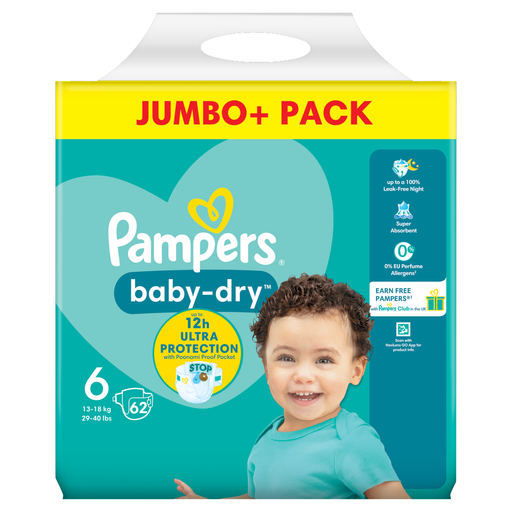
Why This Fits Their Persona: A size 6 option for toddlers who need a larger fit and families comparing nappies for extended overnight wear.
It combines a stated 12-hour dryness design with breathable air channels, but still requires regular checks and correct positioning.
Micro-bead absorbent core; flexible side wings and enhanced leak barriers for night-time use.
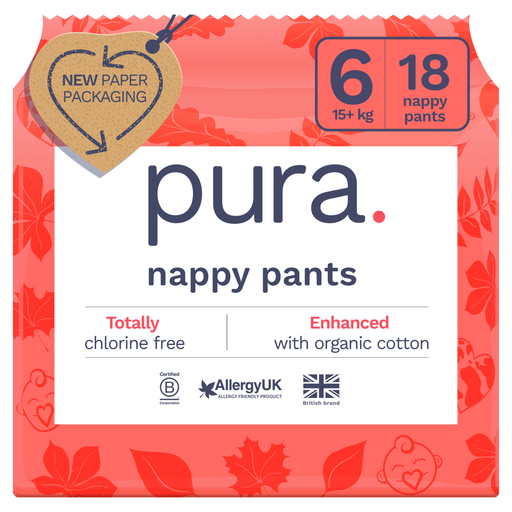
Why This Fits Their Persona: Designed for toddlers weighing 15 kg or more, these pull-up pants suit families prioritising plant-based materials and recyclable paper packaging.
Its environmental information identifies specific features, including plant-based skin-contact materials and certified wood pulp, rather than relying only on a general green label.
Fragrance-, chlorine- and lotion-free materials; pull-up fit, easy-tear sides and stated 12-hour FlashDry protection.
We have compiled a complete, real-time list of products that fully satisfy these strict selection criteria and UK safety regulations.
Many newborns need frequent changes, often around eight to twelve nappies daily, although individual routines vary. A smaller pack can be sensible at first because babies may move through newborn nappies and early sizes quickly.
Yes, pull-up nappy pants can make it easier for toddlers to practise pulling clothing up and down. Huggies Pull-Ups also include daytime and night-time formats, with features such as a wetness indicator or extra absorbent layer. They remain single-use products and should be changed when wet or soiled.
Compare the cost per nappy, not just the packet price, and choose a pack size that matches your child’s current weight. Buying a jumbo pack can be economical when the size is stable, but smaller packs may reduce waste during periods of rapid growth.