
24/7 Customer Support

Free returns

Same-day & Next-day Delivery

Quality Guaranteed

Unlock Your Welcome Offers: FREE Delivery | Up to 80% OFF | Free 30-day JoyPlus trial
Download the APP
Choosing baby nappies is rarely as simple as picking the largest pack. A nappy that looks economical may need changing more frequently, while an impressive absorbency claim may not compensate for the wrong fit. UK parents also need to consider skin sensitivity, changing routines, overnight use and whether a disposable product suits their household.
This guide explains the key checks to make before buying, followed by practical product matches for different family needs.
Age ranges on packaging are only a general guide. Babies of the same age can have very different body shapes, so selecting nappies by size and weight is more reliable. A nappy that is too small can leave marks around the waist and legs; one that is too large may create gaps where leaks occur.
Check the stated weight range before opening a pack. For example, Size 1 products may cover approximately 2–5 kg, while Size 2 nappies can range from 3–6 kg, 4–8 kg or another manufacturer-specific bracket.
Terms such as “all-day dryness” and “overnight protection” describe intended product performance, not a promise that every child will remain dry for a fixed period. Fit, fluid volume, movement and changing frequency all affect results.
For younger babies, regular changes remain important, particularly after a bowel movement. Overnight nappies may be useful for longer sleep periods, but they should not replace checking your child when necessary.
Fragrance, lotions, latex and certain materials may not suit every baby. Families looking for sensitive skin nappies should check the full material information and look for relevant certifications or exclusions, rather than relying only on front-of-pack wording.
If persistent redness or irritation occurs, stop using the product and seek appropriate medical advice.
Look for a close but comfortable fit around the waist and thighs. The leg cuffs should sit outside rather than being tucked in, and the fastening tabs should hold securely without restricting movement.
For newborns, features such as an umbilical cutout can help avoid contact with the healing cord area. A wetness indicator can also help new carers identify when a change may be needed, although it should not replace a physical check.
Most disposable nappies use cellulose or wood pulp combined with superabsorbent polymer, commonly abbreviated as SAP. Product descriptions may also mention channels, absorbency layers, protection pockets or anti-leak cuffs. These features are intended to distribute and retain moisture, but correct sizing remains essential.
For night-time use, compare products with an extra absorbent layer or a design intended for extended wear. For active toddlers, flexible waistbands and leg barriers can help the nappy move with the child.
“Eco-friendly nappies” can refer to several different attributes, including plant-based materials, chlorine-free production, paper packaging, renewable fibres or carbon-neutral manufacturing. These terms are not interchangeable, so check exactly what the product description states.
Disposable products are designed for single use. Used nappies, nappy pants and swim nappies should be wrapped and placed in household waste; they should not be flushed. Families seeking a reusable-free disposable nappies routine may prefer the convenience of single-use products without washing or drying.
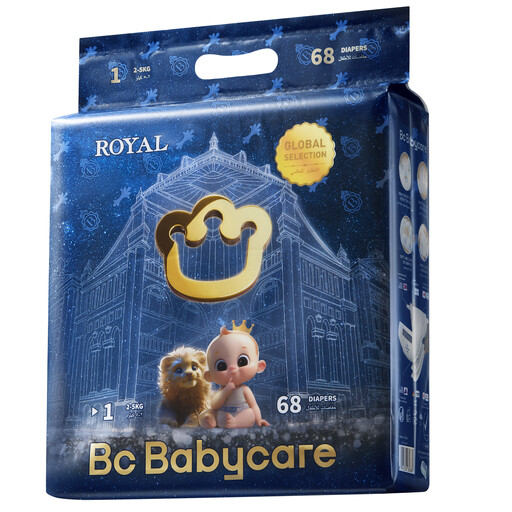
Why This Fits Their Persona: A 68-pack Size 1 option for families preparing for the early newborn stage and comparing pack quantity with a 2–5 kg weight range.
The clearly stated weight range helps avoid choosing by age alone, while the wetness indicator is designed to become more visible after absorbing liquid.
Includes a breathable backsheet, adjustable fastening and a stated 360-degree leak protection design.

Why This Fits Their Persona: A larger 76-pack for carers wanting newborn-focused features, including a navel-friendly shape and wetness indicator.
The product specifies a 4–8 kg range, helping shoppers compare it with other Size 2 nappies instead of assuming all Size 2 labels fit identically.
Features an instant absorption layer, back protection pocket and overlapping fastening system.
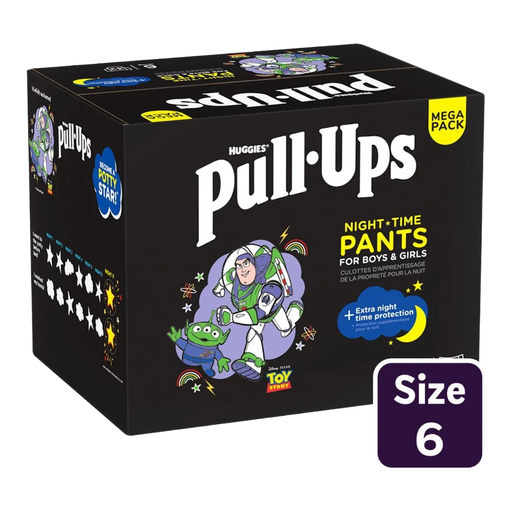
Why This Fits Their Persona: Intended for toddlers aged 2 years and over who need pull-up training pants with an extra absorbent layer for night-time routines.
It is positioned specifically for night use rather than being treated as an ordinary daytime nappy, with a stated Size 6 format and 32-pack quantity.
The all-round stretch design supports independent pull-on use, while tearable side seams simplify removal.
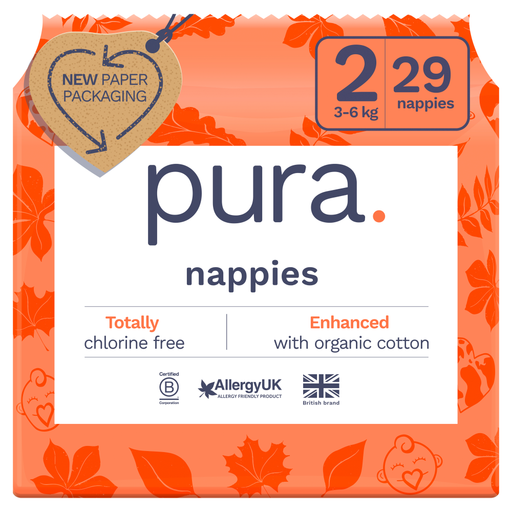
Why This Fits Their Persona: A Size 2 option for families considering plant-based fibres, organic cotton and packaging information alongside everyday nappy requirements.
The environmental description identifies specific attributes, including FSC-certified wood pulp, chlorine-free construction and recyclable packaging, rather than using only a broad green label.
Includes stretchy side wings, a super-absorbent core and a stated Allergy UK certification.
We have compiled a complete, real-time list of products that fully satisfy these strict selection criteria and UK safety regulations.
A newborn may require frequent changes, so a pack size should be assessed against your expected daily routine rather than price alone. Buying a smaller pack initially can be sensible while confirming the fit, particularly because babies can move through newborn sizes quickly.
Consider moving up when the current size leaves persistent marks, the fastening tabs no longer meet comfortably or leaks occur despite correct positioning. Always compare the next size’s stated weight range, as sizing differs between manufacturers.
Nappy pants and pull-up training pants can be useful when a toddler is learning to dress independently. Daytime versions may include wetness indicators or learning layers, while overnight nappies may provide additional absorbency. They remain single-use products and should be changed when wet or soiled.