
24/7 Customer Support

Free returns

Same-day & Next-day Delivery

Quality Guaranteed

Unlock Your Welcome Offers: FREE Delivery | Up to 80% OFF | Free 30-day JoyPlus trial
Download the APP
Choosing baby nappies is not simply a matter of picking the largest pack or the product with the boldest absorbency claim. A poor fit can cause leaks, while the wrong style may make changes difficult when your baby becomes more active. Materials, weight ranges and disposal instructions also vary considerably.
This guide explains the practical details to check before buying, from premature baby nappies and newborn nappies to nappy pants, overnight options and eco-friendly nappies.
Age guidance is only a rough indication. Babies grow at different rates, so the weight range printed on the pack should be your primary sizing reference. For example, size 1 nappies may suit babies weighing 2–5 kg, while size 5 nappies can cover very different ranges depending on the brand.
A nappy that is too small may leave marks around the waist and legs. One that is too large can create gaps where leaks occur. If your baby is close to the upper end of a size range, compare the next size before buying a large multi-pack.
Some overnight nappies and disposable nappies state protection for up to 12 hours. This refers to the product’s stated performance conditions, not a timetable for every change. Nappies should still be changed promptly when wet or soiled, particularly after a bowel movement.
Look for practical features such as a wetness indicator, fast-absorbing core, raised leg cuffs and a secure waistband. These are more useful than relying on a large number printed on the packaging.
Terms such as bamboo nappies, plant-based and biodegradable can describe selected components rather than the entire product. Many eco-friendly nappies still contain absorbent polymers, elastics and other materials. Used nappies should not be placed in home compost or flushed down the toilet unless the packaging and local waste guidance specifically permit it.
Check exactly which layer contains plant-based material, whether packaging is recyclable locally and how the manufacturer instructs you to dispose of the used product.
Check the baby’s current weight against the pack rather than relying on age. Premature or low-birth-weight babies may need specially shaped newborn nappies. A cord-friendly cut-out can help keep material away from the healing umbilical area.
For older babies, decide between taped nappies and pull-up styles:
A fast-absorbing core, liquid-locking channels and double leg cuffs can help manage wetness. Some products also have a rear pocket or wider barriers intended to reduce back leaks. These features may be useful for babies who sleep for longer periods or move frequently.
However, no nappy can compensate for an incorrect fit. After fastening, check that the leg cuffs are pulled out, the waist is comfortably secure and there are no large gaps around the thighs.
Parents looking for sensitive skin nappies may prefer fragrance-free options and products that disclose their materials clearly. Certifications can provide useful information, but they should be understood accurately. For example, FSC or PEFC certification relates to responsibly sourced wood pulp, while OEKO-TEX certification concerns tested substances in specified product components.
A softer or more breathable outer layer may feel preferable, but product descriptions should not be treated as medical advice. If persistent redness, itching or irritation develops, stop using the product and seek appropriate healthcare advice.
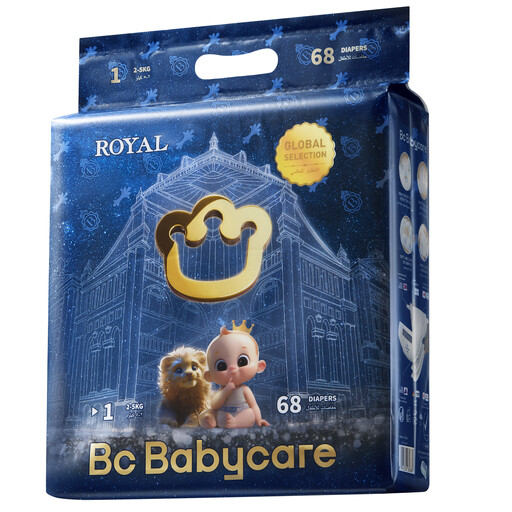
Why This Fits Their Persona: A 68-pack format can suit families preparing for frequent early changes, provided the 2–5 kg range matches the baby’s current weight.
The stated weight range helps prevent buying based on age alone, while three urine indicator strips provide a visible changing cue.
2–5 kg size 1 format; pH 5.5 surface and umbilical-friendly newborn sizing.
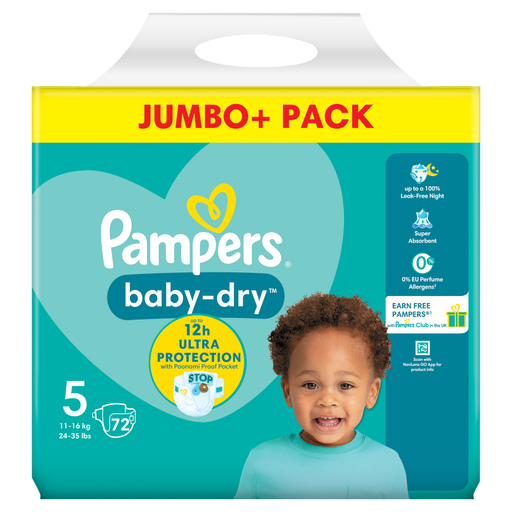
Why This Fits Their Persona: Suitable for shoppers comparing a larger size 5 pack with features intended for daytime and overnight use.
Its listed Stop & Protect pocket, extra dry layer and leg cuffs address common back and side-leak concerns without replacing the need for regular changes.
72-pack; stated up to 12 hours of dryness protection and OEKO-TEX Standard 100 certification.
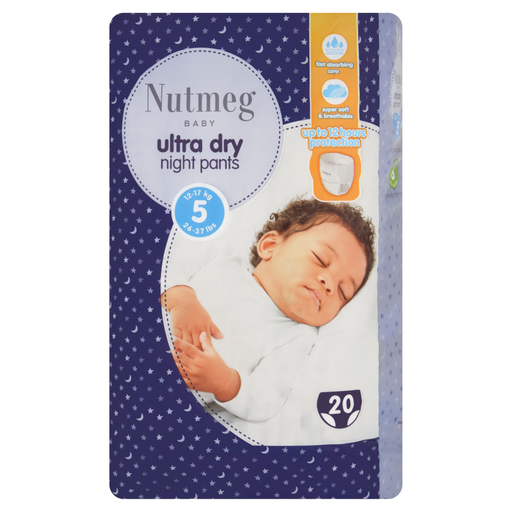
Why This Fits Their Persona: Designed for families seeking pull-up convenience and extra absorbency for night-time routines, with size guidance from 15–19 kg.
The product is specifically labelled for night use, while tearable sides make removal easier after a wet night.
Bamboo pulp is listed in the absorbent core; PEFC-certified pulp and paper packaging are specified.
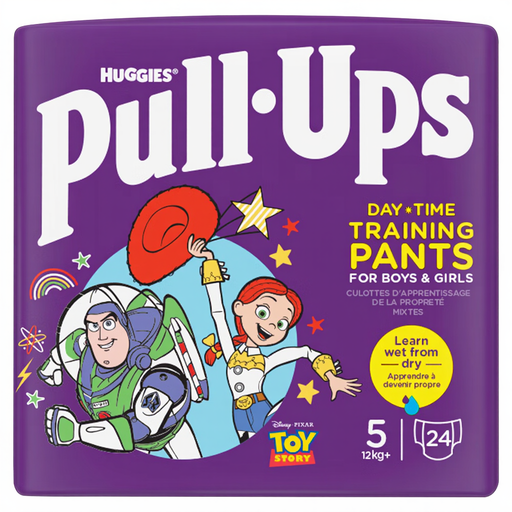
Why This Fits Their Persona: A pull-on format suits toddlers learning to dress themselves and families managing quick changes at home or while travelling.
The product is positioned for daytime training and includes easy-tear sides, rather than being presented as a replacement for overnight protection.
12 kg+ size; stretchy waistband and wetness-fading graphics for a visual changing cue.
We have compiled a complete, real-time list of products that fully satisfy these strict selection criteria and UK safety regulations.
Start with a modest supply across the likely newborn or size 1 range rather than buying several large boxes. Babies may move between sizes quickly, and fit differs between manufacturers. Premature babies may require size 0 or specialist premature baby nappies, depending on their weight and care guidance.
Change a nappy when it is wet or soiled, and always change promptly after a bowel movement. Overnight products may list protection for up to 12 hours, but this is not a substitute for checking the nappy and your baby’s comfort.
Not necessarily. Bamboo may be used in the top sheet, back sheet or pulp, while other components can include plastics, elastics and super-absorbent polymer. Read the full materials and disposal information before choosing an eco-friendly option. Used nappies should normally go into household waste and never down the toilet.