
24/7 Customer Support

Free returns

Same-day & Next-day Delivery

Quality Guaranteed

Unlock Your Welcome Offers: FREE Delivery | Up to 80% OFF | Free 30-day JoyPlus trial
Download the APP
Choosing baby nappies is rarely as simple as picking the largest pack on the shelf. A low price per nappy can become poor value if the fit causes leaks, while an apparently premium option may include features your child does not need. For UK parents and carers, the practical priorities are usually clear: reliable protection, a comfortable fit, manageable changing and materials that suit the child’s skin.
By Joybuy Product Recommendation Officer
Nappy sizes are commonly associated with age, but children grow at different rates. A size labelled for a particular stage may still be too loose or too tight for your child. Always check the weight range, such as 2–5 kg, 9–14 kg or 12–17 kg, before ordering.
A nappy that is too large may leave gaps around the legs and back. One that is too small can feel restrictive, leave marks and fill quickly. If leaks start happening regularly despite correct application, it may be time to compare the next size rather than simply buying a larger pack of the current one.
Terms such as baby dry nappies, overnight nappies and “all-night protection” can be useful indicators, but they do not replace checking the actual features. Look for an absorbent core, moisture-locking channels, raised leg cuffs and a waistband that stays in place during movement.
Protection also depends on changing a wet or soiled nappy promptly. Even a high-absorbency disposable nappy is not intended to replace regular changes.
Plant-based materials and responsibly sourced pulp can reduce reliance on some fossil-based materials, but many eco-friendly nappies still contain super-absorbent polymer and cannot be composted at home. Used nappies should be placed in household waste unless your local authority provides a specific collection service.
Check whether a product’s environmental statement refers to the whole nappy, selected components or the packaging. Certifications such as FSC, PEFC, OEKO-TEX Standard 100 and TÜV Austria OK biobased describe different aspects, so they should not be treated as interchangeable.
The most important specification is the child’s current weight. For taped nappies, check that the waist fasteners close comfortably and that the leg cuffs are pulled out rather than tucked in. For nappy pants and pull-up nappies, the waistband should sit securely without rolling down.
A good fit should allow normal movement while keeping the absorbent area close to the body. Check for gaps at the back, around the thighs and beneath the waistband. If your toddler is active, stretchy side panels and a flexible 360-degree waistband can make changes easier.
Look for an absorbent core, fast-absorbing channels and sealed or raised leg cuffs. Some nappies include a wetness indicator, which can be useful for newborns and carers who are still establishing a changing routine.
A back pocket or rear barrier may help contain liquid and runny stools, but no disposable nappy can guarantee a leak-free result in every situation. Fit, positioning, the child’s movement and the timing of changes all affect performance.
Parents looking for sensitive skin nappies may prefer fragrance-free products or nappies without selected ingredients such as latex, chlorine bleaching or lotion. However, “natural”, “soft” and “hypoallergenic” are not substitutes for reading the materials and certification information.
If redness, itching or persistent irritation occurs, stop using the product and seek appropriate medical advice. Keep the area clean and dry, and follow the manufacturer’s changing instructions.
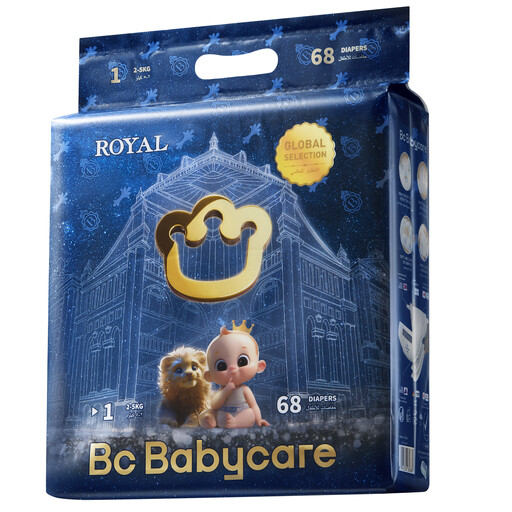
Why This Fits Their Persona: The 68-pack format gives new parents a practical supply of taped nappies for frequent newborn changes, with a clearly stated 2–5 kg range.
The weight-specific sizing helps avoid buying according to age alone, while the wetness indicator supports timely changes.
68 nappies per pack; pH 5.5 top layer; breathable film; three liquid-indicator strips.
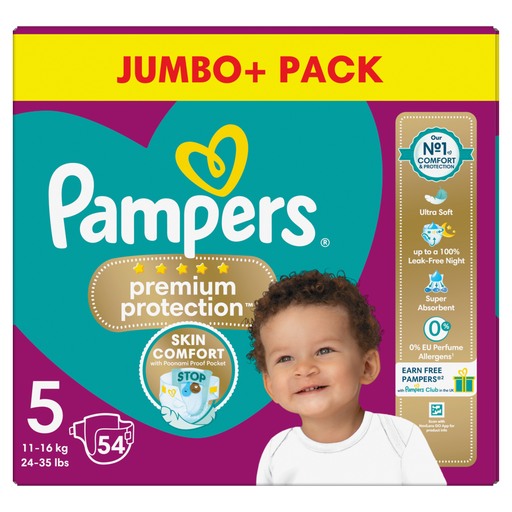
Why This Fits Their Persona: This taped size 5 option suits families prioritising soft materials, breathability and additional back protection for everyday use.
The product information identifies a breathable outer layer, a back pocket and an absorbent core rather than relying only on broad “premium” wording.
54-pack; microporous outer layer; listed as free from 26 EU-regulated perfume allergens; OEKO-TEX Standard 100 certified.
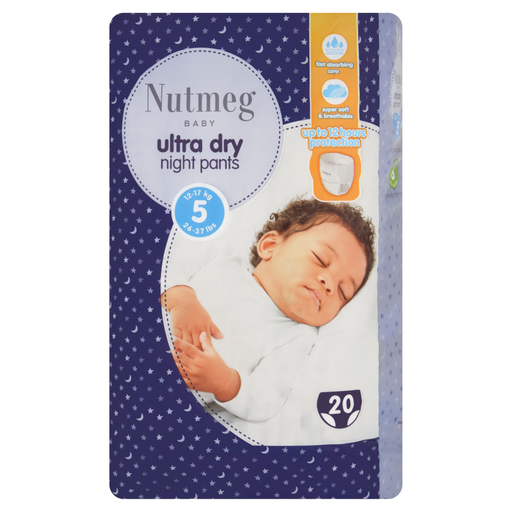
Why This Fits Their Persona: Designed for overnight use, these pull-up pants are a practical match for active toddlers who need extra absorbency and quick changes.
Its stated use is specific: the pants have channel technology, a fast-absorbing core and tearable sides, rather than only a general daytime label.
Size 5 is listed for 15–19 kg; 360-degree stretchy waist; absorbent bamboo fluff core; up to 12 hours of stated dryness protection.
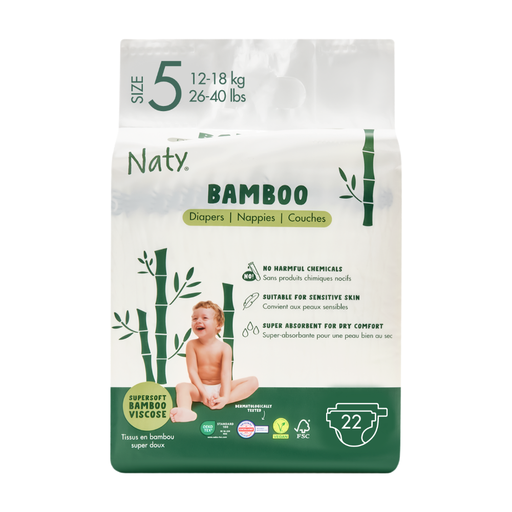
Why This Fits Their Persona: This option is aimed at shoppers comparing plant-based materials, fragrance-free construction and independently listed certifications.
The description clarifies that the nappies are not home-compostable, helping shoppers distinguish plant-based content from disposal claims.
Size 5, 22-pack; FSC-certified wood pulp; fragrance-free; OEKO-TEX Standard 100 and TÜV Austria OK biobased certifications listed.
We have compiled a complete, real-time list of products that fully satisfy these strict selection criteria and UK safety regulations.
Newborns may need frequent changes, often around 8–12 nappies per day, although individual routines vary. Older babies and toddlers may use fewer. Compare the pack quantity with the price per nappy rather than judging value from the headline pack size alone.
Change a nappy when it is wet or soiled, and change promptly after a bowel movement. Newborns generally need more frequent checks. Wetness indicators can help, but they should not replace checking the nappy and your baby’s comfort.
There is no single correct age. Nappy pants can be useful when a baby is crawling, walking or resisting changes, while taped nappies may remain easier for younger babies. For potty training, training pants such as Huggies Pull-Ups Day Time Training Pants Size 5 12kg+ 24 Pack can offer a pull-on design and easy-tear sides, but they should be selected according to weight and the child’s stage.