
24/7 Customer Support

Free returns

Same-day & Next-day Delivery

Quality Guaranteed

Unlock Your Welcome Offers: FREE Delivery | Up to 80% OFF | Free 30-day JoyPlus trial
Download the APP
Buying baby nappies in the UK can seem straightforward until leaks, poor sizing or skin irritation make an otherwise economical pack unsuitable. The right choice depends on more than brand recognition or the number of nappies in the bag.
Whether you are shopping for a newborn, comparing size 4 nappies or looking for overnight nappies for an active toddler, focus on the specifications that affect everyday use.
Nappy sizes are generally linked to weight ranges, not a child’s exact age. Two babies of the same age may need different sizes, while a growing toddler may move up a size sooner than expected.
A nappy that is too small can leave red marks, gaps around the legs and frequent leaks. One that is too large may bunch between the legs and fail to seal properly. Always check the stated weight range, such as 9–14kg for size 4 nappies, before buying a jumbo pack.
Terms such as ultra-absorbent nappies, “all-night protection” and “leak-proof nappies” describe design aims rather than a guaranteed result for every child. Performance depends on fit, how much your baby wees, movement during sleep and whether the nappy is changed promptly after a bowel movement.
A higher absorbency specification can be useful for overnight use, but it does not replace regular checking or correct fitting.
Premium protection nappies may include softer covers, additional leak barriers or skin-related certifications, but a higher price does not automatically mean a better fit for your child. Similarly, eco-friendly nappies and bamboo nappies can use plant-based or alternative materials, but check what is actually certified and how the product should be disposed of.
Look for clear information about materials, fragrance, latex, pack quantity and certification rather than relying on broad environmental or comfort claims.
The weight range is the first filter. Once you have selected the correct size, check:
Taped nappies are practical when your baby is lying down. Nappy pants can be easier for wriggly babies and toddlers who are beginning to stand, although they may be less convenient for a very young baby requiring frequent lying-down changes.
For daytime use, an absorbent core that draws liquid away quickly can help keep the inner surface drier between changes. For night-time use, look for features such as:
These features can reduce leaks, but no disposable nappy should be treated as completely fail-safe. Fit remains equally important.
If your baby has easily irritated skin, compare whether the product is fragrance-free, latex-free or free from lotions and other substances you prefer to avoid. Certifications such as OEKO-TEX Standard 100, Allergy UK certification or dermatological testing should be checked against the product packaging and current listing details.
A certification indicates that a defined standard or assessment applies; it is not a medical endorsement. Stop using a product if irritation develops and seek healthcare advice where appropriate.
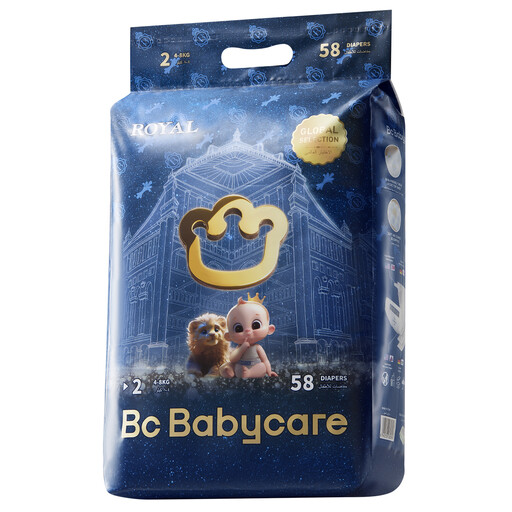
Why This Fits Their Persona: A 58-pack size 2 option for families setting up an everyday nappy supply and checking fit before committing to larger quantities.
The stated 4–8kg range makes size selection clearer, while the size 2 pack avoids overbuying before you know how the fit works for your baby.
InfiniThin absorbent core, breathable film and 360-degree leak protection design.

Why This Fits Their Persona: Suitable for babies weighing 9–14kg, with soft materials and skin-related product credentials for shoppers prioritising comfort details.
The listing specifies OEKO-TEX Standard 100 certification, Skin Health Alliance approval and 0% EU perfume allergens; these details are more useful than a vague “gentle” label.
1000+ absorbent micropores, a STOP & PROTECT POCKET and overlapping adjustable fastenings.
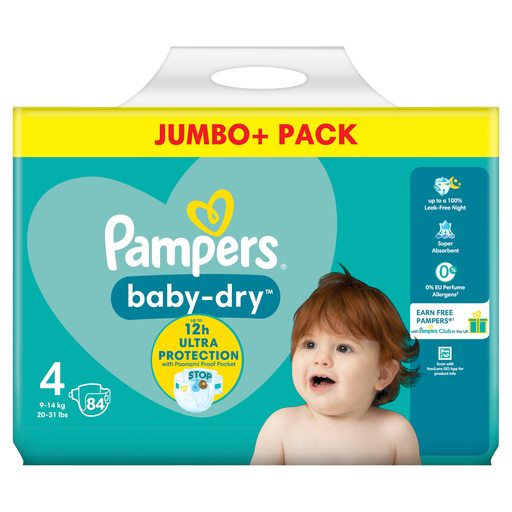
Why This Fits Their Persona: The 84-pack suits households using nappies frequently, while the design is aimed at active babies and overnight routines.
The stated 9–14kg range and pack quantity help you compare fit and cost per nappy, rather than judging value from pack size alone.
Advanced absorption, breathable leak barriers, stretchy sides and a mild lotion containing aloe extract.

Why This Fits Their Persona: Pull-on nappy pants are convenient for standing changes, nursery days and toddlers who resist lying still.
The 360° waistband is designed to move with the child, while tearable sides make removal simpler when a full change is needed.
Super-absorbent core, rear Stop & Protect Pocket, integrated disposal tape and OEKO-TEX Standard 100 certification.
We have compiled a complete, real-time list of products that fully satisfy these strict selection criteria and UK safety regulations.
Calculate the cost per nappy, not just the ticket price. A jumbo pack may offer more pieces, but it is only economical if your child is likely to remain within that size range long enough to use them.
For a new product, consider buying a smaller pack first. This helps you check:
Store unused nappies in a cool, dry place. Dispose of used nappies in household waste according to local guidance; do not flush them down the toilet.
Check the manufacturer’s weight range, then look for practical signs such as frequent leaks, tight fastening tabs, red marks or gaps around the legs. Moving up a size may improve comfort, but if the nappy is loose, the problem may instead be poor positioning or an unsuitable shape.
Yes. Nappy pants are designed to pull on like underwear and can be useful for active toddlers, standing changes and nursery routines. Taped nappies may remain more convenient for younger babies who are changed while lying down.
Bamboo or plant-based materials may form part of a product’s environmental approach, but the overall impact also depends on manufacturing, packaging, transport and disposal. Check the product’s specific material information and any independently recognised certification rather than relying only on the word “bamboo”.