
24/7 Customer Support

Free returns

Same-day & Next-day Delivery

Quality Guaranteed

Unlock Your Welcome Offers: FREE Delivery | Up to 80% OFF | Free 30-day JoyPlus trial
Download the APP
Choosing baby nappies is rarely as simple as selecting a familiar brand and the correct age range. A nappy that fits well during the day may leak overnight, while a jumbo pack can represent poor value if the size is outgrown quickly. For UK parents and carers, the practical priorities are usually comfort, reliable containment, skin compatibility and sensible running costs.
This guide from the Joybuy Product Recommendation Officer explains the main buying traps, the specifications worth checking and suitable options for newborns, babies, toddlers and potty training.
Age guidance can be useful, but children of the same age may have very different body shapes. Nappies by size should primarily be selected by the manufacturer’s weight range, then checked around the waist and legs.
Signs that a size may be too small include red marks, frequent fastening-tab overlap and leaks around the legs. If the nappy sags, gaps appear around the waist or it becomes difficult to fasten comfortably, the child may need a larger size.
Absorbency descriptions are based on product design and stated conditions, not a promise that every child will remain dry for a specific period. Fluid volume, movement, fit and whether the nappy is soiled all affect performance.
For overnight use, look for features such as an absorbent core, leak barriers, leg cuffs and a secure waistband. Change nappies promptly after bowel movements and check wetness regularly rather than relying only on a time claim.
Jumbo pack nappies can reduce how often you need to reorder, but children may move between sizes quickly. It is sensible to try a smaller pack when changing brand, moving from newborn nappies to a larger size or switching from taped nappies to nappy pants.
Compare the price per nappy, not just the pack price. A 72-pack is not automatically better value than a 48-pack if the fit causes more changes or leakage.
Check the printed weight range before buying. For example, Pampers New Baby Premium Protection Nappies Size 2 are listed for infants weighing 4–8 kg, while Pampers Premium Protection Nappies Size 4 are listed for 9–14 kg. Nutmeg Baby Ultra Dry Nappies Size 3 are listed for approximately 4–9 kg, and its Size 7 option is intended for children weighing 15 kg or more.
Taped disposable nappies are often convenient for babies who need frequent changes. Pull-up nappies and nappy pants can be more practical for active toddlers, especially when changing them standing up.
Look beyond broad terms such as “dry” or “leak-proof nappies”. Check which physical features support the claim:
For overnight nappies, a larger or more absorbent core may be useful, but the correct fit remains essential. Always turn leg cuffs outwards after fastening.
Parents looking for sensitive skin nappies should inspect the materials and product information rather than assuming that a “natural” label means a product will suit every child. Some options are described as fragrance-free, chlorine-free, latex-free or free from selected allergens.
Certifications can provide additional information. For example, several listed products refer to OEKO-TEX Standard 100, while Pura Eco Nappies state that they use plant-based materials, certified wood pulp and paper packaging. These details do not remove the need to monitor your child’s skin. Stop using a product if irritation develops and seek medical advice if it persists.
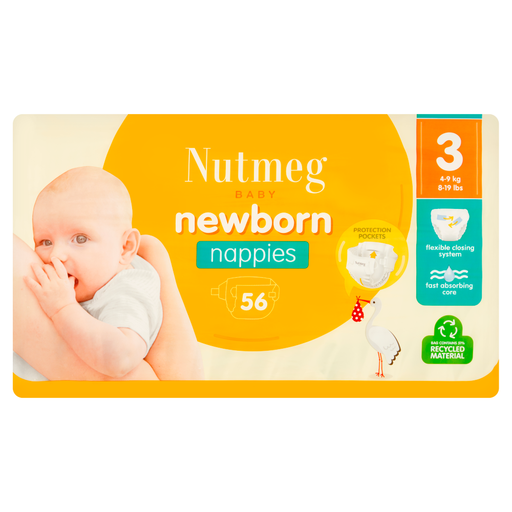
Why This Fits Their Persona: A practical everyday option for families moving beyond newborn nappies, with a 56-pack suited to regular daytime and night-time changes.
The listed 4–9 kg range makes it easier to compare fit by weight rather than age alone, while flexible tapes and leg cuffs address common leakage points.
Fast-absorbing channel technology, breathable materials and PEFC-certified pulp are listed features.

Why This Fits Their Persona: Designed for newborn routines where soft materials, frequent changes and a navel-friendly shape are important considerations.
The stated 4–8 kg range and wetness indicator help carers check suitability and timing instead of relying on pack size or marketing language.
Includes a navel-friendly front shape, overlapping fastenings, a wetness indicator and a rear protection pocket.
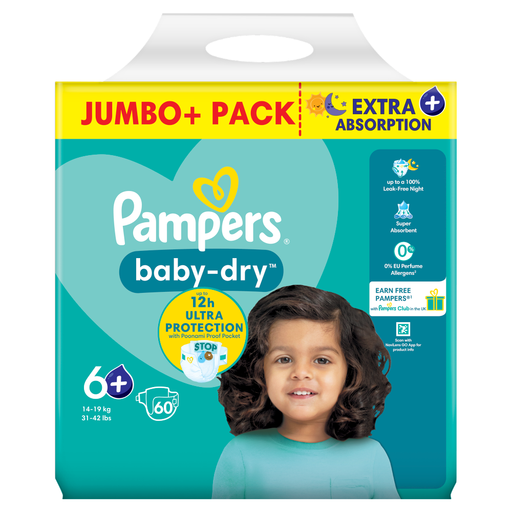
Why This Fits Their Persona: A suitable consideration for families prioritising overnight use and a larger pack for regular nappy changes.
The product lists a Stop & Protect Pocket, extra dry layer, flexi-side wings and safety leg cuffs, giving buyers specific features to assess.
The 60-pack is intended for children weighing 13–18 kg and the product is listed as dermatologically tested and OEKO-TEX certified.
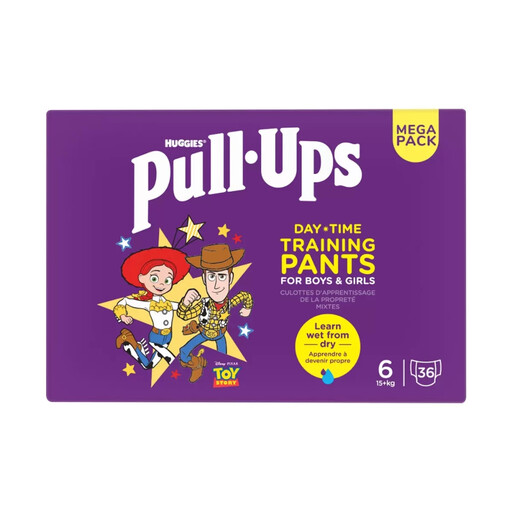
Why This Fits Their Persona: The pull-on format supports toddlers learning to dress themselves and practising toilet routines at home, nursery or while travelling.
A 360° waistband and wetness indicator provide practical features for movement and learning, rather than relying only on character designs.
The listed features include a feel-wet learning layer, fadeable wetness indicator, tearable sides and up to 12 hours of stated protection.
We have compiled a complete, real-time list of products that fully satisfy these strict selection criteria and UK safety regulations.
A newborn may need several changes each day, often more frequently than an older baby. The exact number depends on feeding, bowel movements and individual needs. A smaller pack can be sensible initially because newborns may change size quickly.
Not always. Some standard nappies are suitable for overnight use if the fit and absorbency work for your child. If regular night-time leaks occur, compare overnight nappies with stronger absorbent cores, rear barriers and secure leg cuffs. Do not extend wear after a bowel movement.
Nappy pants can make pull-on and pull-down practice easier, especially for toddlers who want more independence. Daytime training pants with a wetness indicator may support learning, while night-time pull-ups can provide additional containment during sleep. They remain single-use products and should be changed when wet or soiled.