
24/7 Customer Support

Free returns

Same-day & Next-day Delivery

Quality Guaranteed

Unlock Your Welcome Offers: FREE Delivery | Up to 80% OFF | Free 30-day JoyPlus trial
Download the APP
Choosing baby nappies is rarely as simple as picking the biggest pack. A nappy that appears good value can lead to leaks, frequent changes or skin irritation if the fit and materials are unsuitable for your child. This guide explains what to check before buying, with practical recommendations for everyday use, active babies, sensitive skin and overnight protection.
Age ranges can be useful as a rough guide, but children of the same age can have very different body shapes. Always check the weight range printed on the pack. For example, many size 4 nappies cover approximately 9–14kg, while size 5 and size 6 nappies are intended for larger children.
A nappy that is too small may leave red marks and leak around the legs. One that is too large can gap at the waist or allow moisture to escape. If you are between sizes, compare the fit around the waist, thighs and bottom rather than relying only on age.
Overnight nappies and many Pampers Baby-Dry nappies advertise protection for up to 12 hours. This is a product design claim, not a promise that every child can wear one nappy for that length of time. A child’s fluid intake, sleeping position, bowel movements and fit all affect performance.
Change nappies promptly when wet or soiled, particularly after a bowel movement. For overnight use, look for a suitable absorbent core, secure leg cuffs and a back leak barrier, but still check the nappy during the night when appropriate.
Terms such as eco-friendly baby nappies, bamboo nappies and plant-based materials can refer to different parts of a product. Check whether the claim applies to the absorbent core, outer materials, packaging or the entire nappy. Disposable nappies generally contain several layers, including absorbent polymers, cellulose, adhesives and elastic components.
Also compare pack quantities and price per nappy. A smaller eco-focused pack may cost more per change, although it may suit families prioritising fragrance-free materials, recyclable packaging or plant-derived components.
Nappies by size are usually more reliable than age labels. Common choices include:
Taped nappies are practical for babies who still lie down for changes. Pull-on nappy pants can be easier for active babies who crawl, stand or resist traditional changes. Pampers nappy pants commonly include tearable side seams for removal and integrated disposal tape.
Look for an absorbent core that distributes moisture rather than leaving one heavily saturated area. Stretchy leg cuffs, a close waist fit and a rear leak pocket can help reduce leaks, but no disposable nappy can guarantee a perfect result for every child.
For heavy wetters, consider overnight nappies with a larger absorbent core or a nappy pant designed for extended wear. Do not add extra inserts or use a product for a purpose not stated on its packaging.
For sensitive skin nappies, check whether the product is fragrance-free and whether it contains lotions, latex or other ingredients your child may react to. Some products are described as dermatologically tested, Allergy UK certified or certified to OEKO-TEX Standard 100. These are useful points to compare, but they do not eliminate the possibility of individual irritation.
If redness or discomfort develops, stop using the product and seek advice from a healthcare professional where necessary.
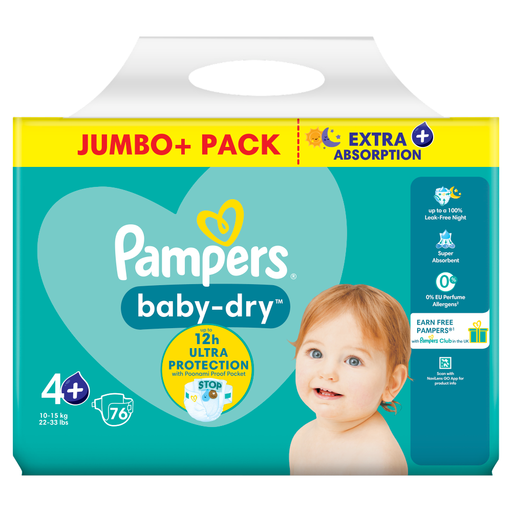
Why This Fits Their Persona: A 76-nappy pack is practical for families building a regular supply of size 4 nappies and comparing cost per change.
The pack size makes it easier to calculate the true cost per nappy instead of judging value from the headline price alone. Check the fit before buying several packs.
Taped fastening, breathable backsheet and an absorbent core with micro pearls are listed features.

Why This Fits Their Persona: Suitable for parents comparing softness, fastening flexibility and skin-related product information for a child weighing 9–14kg.
The stated weight range helps prevent choosing by age alone, while the product information identifies the materials and relevant certifications to compare.
Features include a Stop & Protect Pocket, absorbent micropores, soft non-woven materials and OEKO-TEX Standard 100 certification.
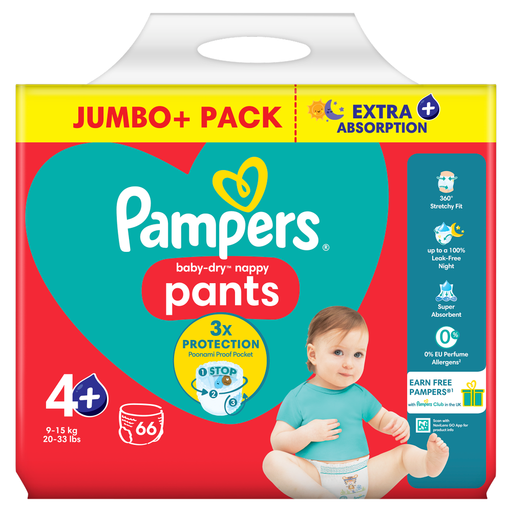
Why This Fits Their Persona: Pull-on styling suits babies who crawl, stand or wriggle during changes, whether at home, nursery or while travelling around the UK.
A flexible waistband and wider leg cuffs address common movement-related gaps. Fit the pants carefully and ensure the cuffs are not tucked in.
The design includes a 360° waistband, Stop & Protect Pocket, tearable sides and integrated disposal tape.
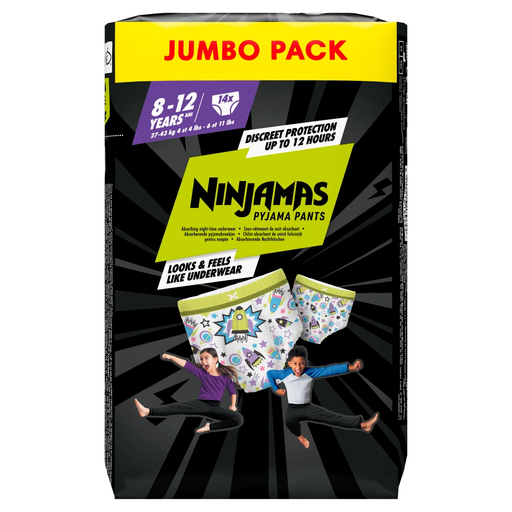
Why This Fits Their Persona: Designed for children aged four and over who need discreet night-time support during bedwetting or sleepovers.
It is a dedicated pull-on night product rather than an ordinary daytime nappy used beyond its intended purpose. Check the maximum weight and size guidance before purchase.
Features include instant absorption technology, a 360° FormFit belt and quiet-cloth materials for a less noticeable fit.
We have compiled a complete, real-time list of products that fully satisfy these strict selection criteria and UK safety regulations.
Many newborns need several changes each day, while older babies and toddlers may need fewer. The exact number depends on feeding, bowel movements and how often you check the nappy. Compare pack quantities with your child’s usual daily use to estimate the running cost.
Move up when tabs no longer meet comfortably, the waist or leg cuffs leave persistent marks, or leaks occur despite correct positioning. A gap around the legs can also indicate that the current size is too small or the shape is unsuitable. Always check the next size’s weight range.
Pyjama pants for bedwetting are designed for older children and night-time use, not as a replacement for ordinary baby nappies. Choose the product according to the child’s stated age and weight guidance, and dispose of used nappies or pants in household waste rather than flushing them.