
24/7 Customer Support

Free returns

Same-day & Next-day Delivery

Quality Guaranteed

Unlock Your Welcome Offers: FREE Delivery | Up to 80% OFF | Free 30-day JoyPlus trial
Download the APP
Choosing baby nappies is rarely as simple as picking a familiar label from the supermarket shelf. A nappy that works well during the day may not provide the fit needed overnight, while a large pack can become wasteful if your baby moves into the next size before it is finished.
This guide explains the practical details to check before buying disposable nappies, from newborn nappies and taped designs to nappy pants for active toddlers.
Nappy sizes are generally based on weight ranges rather than age. Babies of the same age can have very different body shapes, so “size 4 for six-month-olds” is not a reliable selection rule. Check the manufacturer’s stated weight range and look for signs of poor fit, such as red marks, gaps around the legs or frequent leaks.
For example, Nutmeg Baby Ultra Dry Nappies Size 3 are listed for children weighing approximately 4–9 kg+, whereas Pampers Premium Protection Nappies Size 4 are listed for 9–14 kg. Always treat these ranges as a starting point and assess the actual fit.
A jumbo pack or jumbo+ pack can reduce how often you reorder, but the cost per nappy matters more than the pack label. Divide the price by the number of nappies before comparing. Also consider how quickly your baby is growing. Buying several large packs just before a size change can result in unused stock.
A smaller pack may be practical for trying sensitive skin nappies or a new style before committing to a larger quantity.
Some products describe features designed to support dryness for up to 12 hours. This refers to product design and does not mean a wet or soiled nappy should be left unchanged for that long. Change nappies regularly, particularly after bowel movements, and follow the instructions on the packaging.
Taped nappies are useful for newborns and babies who are not yet standing. They allow you to adjust the fastening around the waist and legs. Look for:
For newborn nappies, features such as a navel-friendly shape and wetness indicator can be useful during frequent changes. Pampers New Baby Premium Protection Nappies Size 0, for example, include a contoured area designed around the navel and a colour-changing wetness indicator.
Once a child becomes more mobile, pull-up nappies can be quicker to put on. Nappy pants typically feature a stretchy waistband and tearable sides, making them suitable for standing changes, travel and early toilet-training routines.
Absorbent cores usually combine cellulose pulp with super-absorbent polymer. Marketing terms such as “channel technology”, “extra dry layer” or “protection pocket” should be considered alongside the physical design:
For overnight nappies, prioritise the correct size and a close fit as well as absorbency. A nappy that is too loose can leak even when its core has plenty of capacity.
Product descriptions may state that nappies are dermatologically tested, latex-free, free from EU perfume allergens or certified to OEKO-TEX Standard 100. These are useful details to compare, but they do not guarantee that a particular product will suit every child.
Check the ingredients and materials if your baby has known sensitivities. Stop using a product if irritation develops and seek appropriate healthcare advice if discomfort persists. Keep unused nappies and plastic packaging away from babies and children because of suffocation or strangulation risks. Used nappies should be wrapped and placed in household waste; do not flush them.
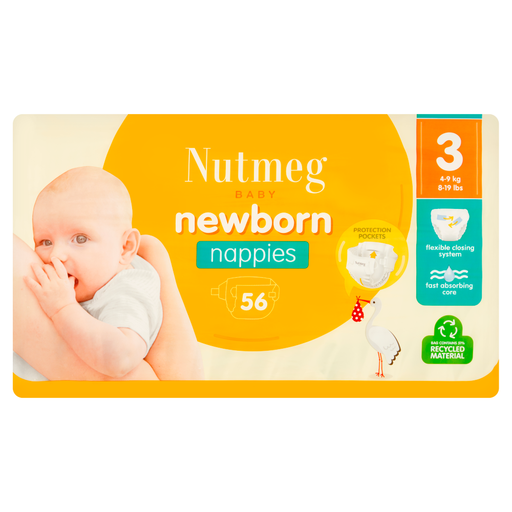
Why This Fits Their Persona: A taped size 3 option for families comparing everyday disposable nappies for babies in the 4–9 kg+ range.
The stated size range helps shoppers compare by weight rather than relying on age or pack size alone.
Fast-absorbing channel core, flexible side tapes and anti-leak leg cuffs; the product is dermatologically tested.
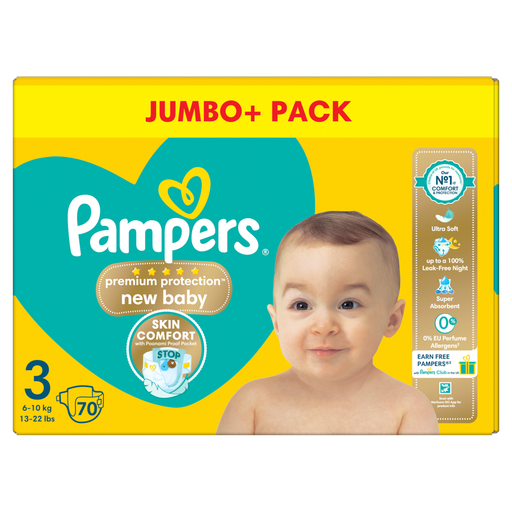
Why This Fits Their Persona: Designed for parents seeking a soft, feature-led nappy for babies who need frequent changes and flexible movement.
The 70-pack format is clearly stated, making it easier to compare total quantity rather than relying on premium wording alone.
Features soft flexi side wings, breathable micropores and a three-way protection design; it is listed as free from EU perfume allergens.
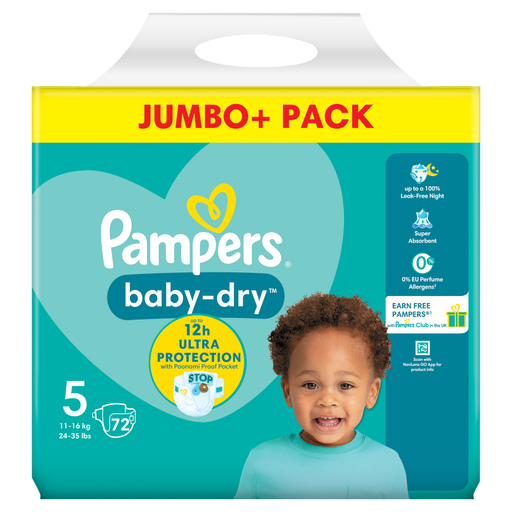
Why This Fits Their Persona: A practical choice for families comparing overnight nappies or larger daily-use packs for babies weighing around the size 5 range.
The size and 72-count quantity are specified separately, helping shoppers assess fit and cost per nappy before buying.
Includes an extra dry layer, flexible side wings, safety leg cuffs and a Stop & Protect Pocket; it is certified according to OEKO-TEX Standard 100.
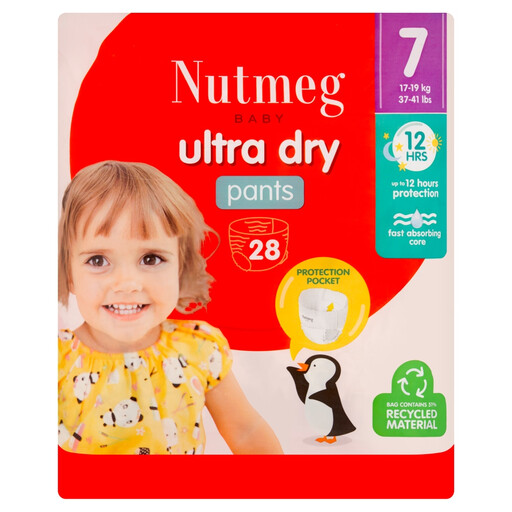
Why This Fits Their Persona: Pull-up styling suits toddlers who wriggle during changes or are beginning to practise more independent dressing.
The 360° waist and tearable sides address movement and quick removal, rather than relying only on absorbency claims.
Suitable for children weighing 17 kg+, with a stretchy waist, channel technology and soft tear-away sides.
We have compiled a complete, real-time list of products that fully satisfy these strict selection criteria and UK safety regulations.
Newborns may need several changes each day, while the exact number varies with feeding, sleep and bowel movements. Buy a modest quantity when trying a new size, then compare pack counts and cost per nappy once the fit is established.
Consider moving up when tabs no longer reach comfortably, the waistband leaves persistent marks, leaks become more frequent or the nappy looks tight around the legs. Check the next size’s weight range before changing. Moving up too early can create gaps and may increase leakage.
Some nappy pants are designed for day and night use, but overnight suitability depends on fit, absorbency and how often your child normally wets. Check the product instructions, select the correct size and change the pant promptly when wet or soiled.