
24/7 Customer Support

Free returns

Same-day & Next-day Delivery

Quality Guaranteed

Unlock Your Welcome Offers: FREE Delivery | Up to 80% OFF | Free 30-day JoyPlus trial
Download the APP
Choosing baby nappies is rarely as simple as picking a familiar pack from the shelf. A nappy that fits a newborn may not suit an active toddler, while a product that feels absorbent during the day may not provide the coverage needed overnight.
This guide focuses on the practical details that matter when comparing disposable baby nappies, nappy pants and pull-up nappies in the UK.
Age guidance is only a broad indication. Babies grow at different rates, so always check the weight range printed on the pack. For example, newborn nappies may cover a smaller weight bracket than Size 1 nappies, while some Size 5 nappies span a relatively broad range.
A nappy that is too large can gap around the legs and back. One that is too small may leave red marks, feel restrictive or leak because the absorbent core cannot accommodate enough liquid.
Many overnight nappies advertise extended dryness, but this does not remove the need for regular checks. A wet or soiled nappy should be changed promptly. Features such as a wetness indicator, absorbent core and raised leg cuffs can make night-time changes easier, but they cannot replace checking your baby.
Terms such as eco-friendly nappies, plant-based and biodegradable can refer to specific components rather than the whole product. Check which parts use plant-based or certified materials, how the product should be disposed of and whether the packaging is recyclable locally.
Disposable nappies should not be flushed, even when they contain plant-based materials. They absorb moisture and can damage drains.
Start with the child’s current weight, then compare the manufacturer’s range. Look for:
For smaller babies, design details can be particularly useful. Premature baby nappies may include a cord-friendly cut-out and smaller fastening areas. Nutmeg Premature Nappies Size 0, for example, are listed for babies weighing 1–2.5 kg and include a cord-friendly shape and wetness indicator.
Traditional taped nappies are often easier to position on a lying-down baby. They can be adjusted around the waist and legs, making them practical for newborns and younger infants.
Nappy pants and pull-up nappies are designed to be pulled on like underwear. They can be useful for active babies, standing changes and potty training. Look for stretchy waistbands and tearable sides for removal. Training pants may have additional learning features, but they are not identical to ordinary underwear and should still be changed regularly.
An absorbent core normally combines cellulose or wood pulp with super absorbent polymer (SAP). Other useful features include breathable outer layers, wetness indicators and leak barriers.
For babies with sensitive skin, review the full materials information rather than relying only on phrases such as “soft” or “gentle”. Products may be fragrance-free, lotion-free, chlorine-free or free from latex, but these specifications vary. Stop using a product if irritation develops and seek medical advice if symptoms persist.
Certifications can provide additional information, but they should not be interpreted as a guarantee that every child will tolerate a product. Always follow the pack instructions.
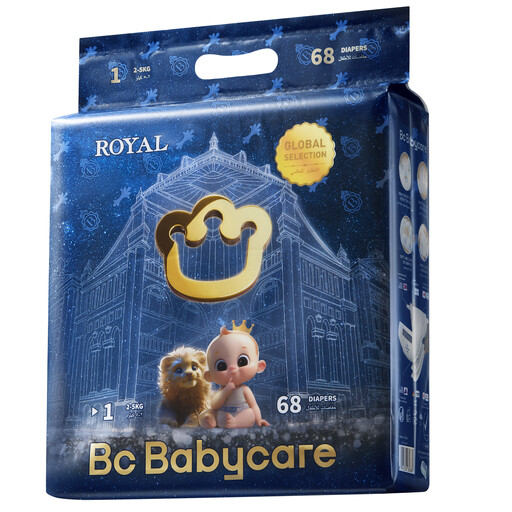
Why This Fits Their Persona: The 68-pack format gives new parents a practical supply of Size 1 nappies for babies weighing 2–5 kg, without moving straight to a specialist premature size.
The stated 2–5 kg range helps shoppers compare by weight rather than age. Its wetness indicator can also support timely changes.
68 nappies per pack; 360-degree leak protection design and breathable polyethylene film.
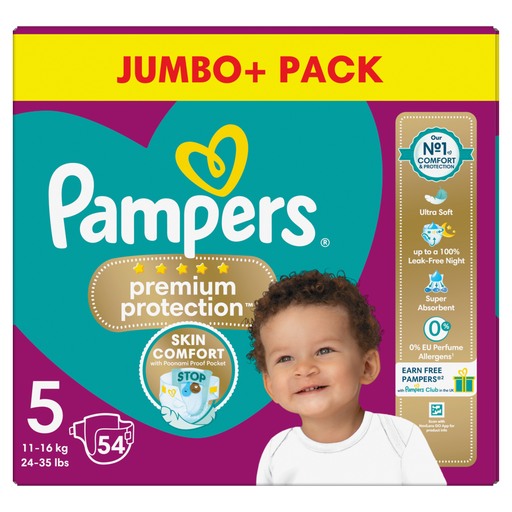
Why This Fits Their Persona: This taped Size 5 option is suited to toddlers weighing within the product’s stated range who need a soft-feel nappy for everyday and overnight use.
The listing identifies a back pocket, microporous outer layer and absence of 26 EU-regulated perfume allergens, giving shoppers specific features to compare.
54-pack format; absorbent core, breathable outer layer and adjustable taped fastening.
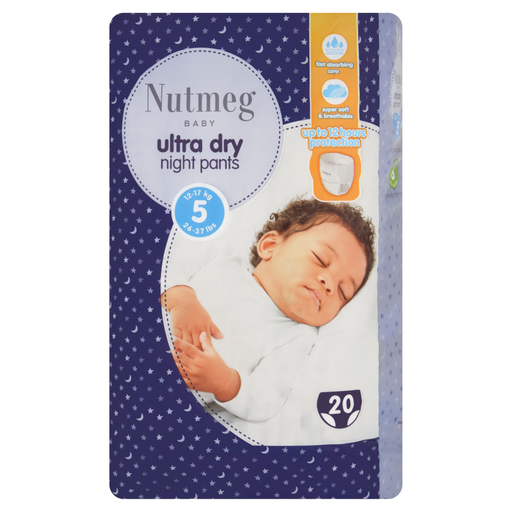
Why This Fits Their Persona: These pull-up pants are aimed at children in the stated Size 5 weight range and families looking for a dedicated overnight format.
The product is clearly positioned as night pants, with a channelled absorbent core and tearable sides. This is more useful than relying only on vague “all-day” wording.
20 pull-up pants; 360-degree stretchy waist and PEFC-certified pulp.
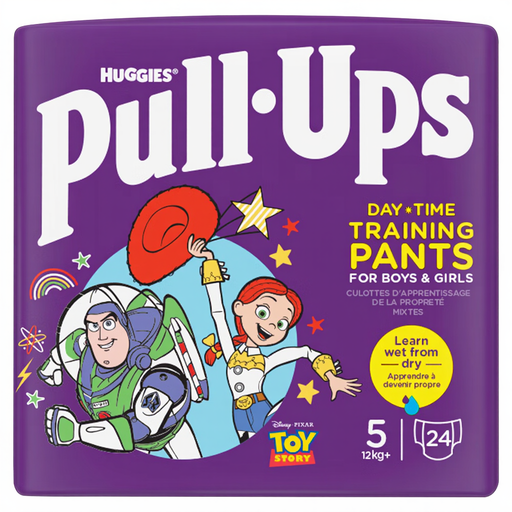
Why This Fits Their Persona: The pull-on format is intended for toddlers aged 18 months and over who are beginning to practise potty routines and more independent dressing.
The product is described specifically for daytime training, rather than being presented as a replacement for every nappy change or overnight use.
24 pants; 360-degree stretchy waistband and easy-tear sides for changes.
We have compiled a complete, real-time list of products that fully satisfy these strict selection criteria and UK safety regulations.
Pack size alone does not show value. Calculate the cost per nappy or pant, then consider how often the product is changed. A larger pack may reduce the unit price but is less economical if the fit changes quickly or causes leaks.
For younger babies, buy a smaller quantity before committing to several large packs. Once the fit works, compare larger formats such as 54-, 68- or 72-pack options. Keep unopened nappies in a cool, dry place and check the packaging for storage guidance.
Newborns may need frequent changes, particularly after feeding and bowel movements. The exact number varies, so begin with a modest supply until you know which size and style fit comfortably. Premature babies may need specialist premature baby nappies based on their lower weight.
There is no single correct age. Consider pull-up nappies when your child is active during changes, can stand with support or is beginning potty training. Weight and fit remain more important than age labels.
Not necessarily. “Eco-friendly” may describe selected materials, certified pulp or packaging. Check the product information carefully and dispose of used nappies in household waste unless your local authority provides different instructions. Never flush disposable nappies or nappy pants.