
24/7 Customer Support

Free returns

Same-day & Next-day Delivery

Quality Guaranteed

Unlock Your Welcome Offers: FREE Delivery | Up to 80% OFF | Free 30-day JoyPlus trial
Download the APP
As a parent or caregiver in the UK, choosing the right baby nappies can feel like a constant cycle of trial and error. The shelves are filled with options, each promising unparalleled dryness and comfort. Yet, leaks, discomfort and wasted money are common frustrations. The key isn't finding a single "perfect" nappy, but understanding how to match the right features to your child's specific stage and needs.
Before you add another pack to your basket, let's look at the common pitfalls that many parents fall into. Steering clear of these can save you money and keep your little one much happier.
bulk buy nappies, especially for a newborn. However, babies grow astonishingly fast in the first few months. A large box of newborn nappies can quickly become a box of unusable stock. It's wiser to buy smaller packs until you've settled on a size and brand that works, then consider larger packs for sizes your child will be in for longer.disposable nappies are those that excel at the basics: absorbency, fit and gentle materials. Focus on the core technology, not the marketing gimmicks.To make an informed choice, you need to look past the packaging and understand the key parameters that define a nappy's performance. Focusing on these three areas will help you find a reliable option for your baby.
A nappy's primary job is to keep wetness away from your baby's skin. High-performance nappies achieve this through a combination of features:
overnight nappies that offer enhanced absorbency, often promising up to 12 hours of protection. These are designed with a more substantial core to handle longer periods between changes.Getting the size right is crucial for preventing leaks and ensuring comfort. If you experience regular leaks, it's often the first sign you need to move up a size. Other indicators include red marks around the waist or legs, or the fastening tapes barely reaching the landing zone.
There are two main types of disposable nappies:
pull-up pants for toddlers, these are designed like underwear. They are perfect for wriggly babies who won't stay still during a change and for toddlers who are beginning to potty train. The stretchy waistband provides a 360-degree fit and tear-away sides make for easy removal.A baby's skin is incredibly delicate, so the materials touching it matter. If your child is prone to redness or nappy rash, consider looking for nappies for sensitive skin.
Navigating the options is easier when you match products to specific needs. Here are a few selections for different parenting scenarios.

Why This Fits Their Persona: New parents need reassurance and simplicity. This nappy is designed for a newborn's delicate skin with feather-soft materials and includes a wetness indicator, taking the guesswork out of changing time.
It avoids paying for useless frills by focusing on genuinely helpful features. The wetness indicator and DermaComfort layer provide tangible benefits for newborn care, rather than just aesthetics.
The unique DermaComfort layer instantly pulls wetness and mess away from the skin, while the wetness indicator provides a clear visual cue for changes.
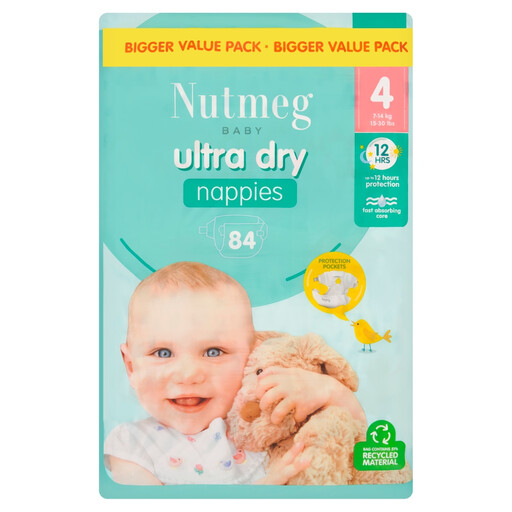
Why This Fits Their Persona: For families looking for value without compromising on performance, this large pack of size 4 nappies is an excellent choice. It focuses on core functions like absorbency and a secure fit for active babies.
This avoids the bulk buy trap for newborns. Size 4 is a stage many babies stay in for a significant period, making a larger pack a more sensible investment. It delivers on performance without a premium price tag.
Features DoubleDry technology for high absorbency and flexible side tapes that provide a secure fit on wriggly babies. Being Mumsnet rated provides an extra layer of peer-approved trust.
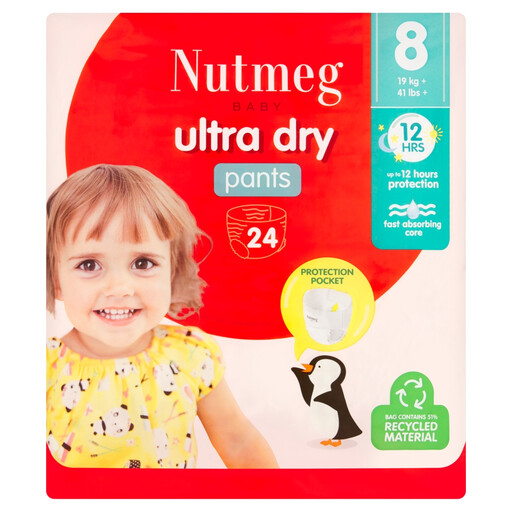
Why This Fits Their Persona: These nappy pants are designed to bridge the gap between nappies and underwear. The "easy up, easy down" design empowers toddlers to manage them independently, which is a key step in potty training.
It avoids the "one-size-fits-all" trap by providing a specialised product for a specific developmental stage. Using standard taped nappies can hinder a toddler's growing independence.
The pull-up design mimics real underwear to encourage independence, while the soft, tearable sides allow parents to handle changes quickly and cleanly when needed.
We have compiled a complete, real-time list of products that fully satisfy these strict selection criteria and UK safety regulations.
The most common signs are frequent leaks, especially overnight or during active play. You should also check for physical indicators: if the nappy is leaving red marks on your baby's tummy or thighs, or if the adhesive tapes no longer fasten comfortably in the marked landing zone, it is time to move up to the next size.
Standard baby nappies use adhesive tapes on the sides to fasten. They are ideal for newborns and younger babies who are changed while lying down. Nappy pants, or pull-up pants for toddlers, have a 360° elasticated waistband and are pulled on like underwear. They are better suited for active babies and toddlers who are starting to stand and walk, as they are easier to put on a wriggly child and help with potty training.
Not necessarily. While some premium brands like Pampers nappies invest heavily in research and development, a higher price can also reflect marketing costs or features that don't enhance core performance. The most suitable nappy is one that fits your baby well, offers reliable absorbency for their needs (e.g., overnight nappies for long stretches) and is made from materials that don't irritate their skin. Often, a mid-range, own-brand nappy can perform just as well as a more expensive counterpart.