
24/7 Customer Support

Free returns

Same-day & Next-day Delivery

Quality Guaranteed

Unlock Your Welcome Offers: FREE Delivery | Up to 80% OFF | Free 30-day JoyPlus trial
Download the APP
Choosing baby nappies and wipes is rarely as simple as picking the largest pack or the most prominent claim on the front of the packaging. A poor fit can lead to leaks, wasted nappies and unnecessary irritation, while wipes with unsuitable ingredients may not work well for delicate skin.
This guide explains the practical details to check before buying, from nappy sizing and absorbency to wipe materials and pack value.
Nappy sizes are generally linked more closely to a baby’s weight range than their age. Babies of the same age can have very different builds, and a nappy that is too loose around the legs may leak even if it is within the suggested age range.
For example, Pampers New Baby Premium Protection Nappies Size 2 are listed for babies weighing approximately 4–8 kg. Always check the current packaging because sizing guidance can vary between products.
Bulk packs can reduce the cost per nappy or wipe, but only when the product suits your child. Buying several packs of newborn nappies shortly before a growth spurt can create waste. For new parents, a smaller pack may be more practical until the correct fit is clear.
For wipes, divide the pack price by the total number of wipes rather than comparing the outer pack size. A pack containing 12 x 48 wipes, for instance, provides 576 wipes.
Terms such as plastic-free, plant-based, biodegradable and bamboo describe different features. A plastic-free wipe may refer to the wipe material only, while the packaging may still contain plastic components. Likewise, biodegradable materials may require specific disposal or composting conditions.
Read the materials information carefully and follow household waste guidance. Used wipes and nappies should not be flushed, even when a product is described as biodegradable or plant-based.
Check the recommended weight range, then look at the fastening system and fit around the waist and legs. The leg cuffs should sit flat and face outwards rather than being tucked in. Red marks, regular leaks or difficulty fastening the tabs may indicate that it is time to move up a size.
For newborn nappies, features such as a navel-friendly shape can be useful during the early weeks. Pampers New Baby Premium Protection Nappies Size 0 and Size 2 both list a contoured front area designed around the umbilical region.
For toddlers who are walking, running or resisting changes, nappy pants can be more convenient than taped nappies. They pull on like underwear and usually have tearable sides for removal.
A higher absorbency core may be useful for longer periods, travelling or overnight changes, but no disposable nappy should replace regular checks and changes. Look for practical features including:
Claims such as “up to 12 hours” describe the manufacturer’s stated product performance under particular conditions, not a guarantee for every baby.
For newborns or nappies for sensitive skin, compare the full ingredient list rather than relying only on “gentle” or “natural” wording. Many families choose fragrance-free wipes and avoid alcohol when their baby’s skin is easily irritated.
Options in the baby care essentials category include:
Even products marketed for sensitive skin can cause an individual reaction. Stop using a product if irritation occurs and seek appropriate medical advice for persistent or worsening symptoms.
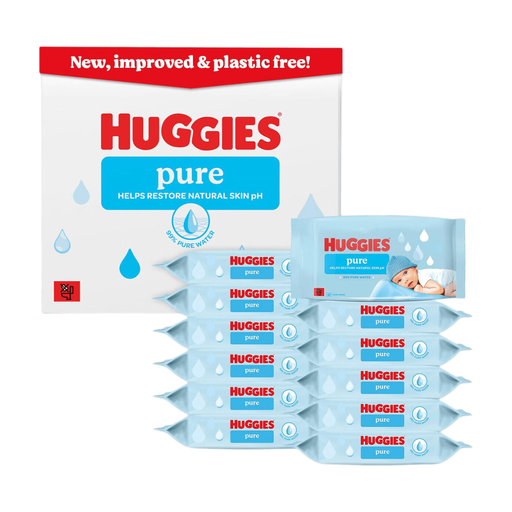
Why This Fits Their Persona: The 576-wipe bulk pack suits households that want to stock up for regular changes at home, nursery bags and everyday clean-ups.
The listing identifies 0% plastic fibres, no fragrance or alcohol and a 99% pure-water formula, making the material and ingredient information easy to compare.
576 wipes per bulk pack; fragrance-free, alcohol-free and pH-balanced according to the product information.

Why This Fits Their Persona: A practical choice for parents prioritising a short formula and separate 60-wipe packs for changing bags, travelling or home use.
The product information lists two ingredients, 0% fragrance and alcohol and plant-based wipe material, rather than relying only on broad sensitivity wording.
180 wipes in three packs; fragrance-free and made from regenerated cellulose according to the listing.
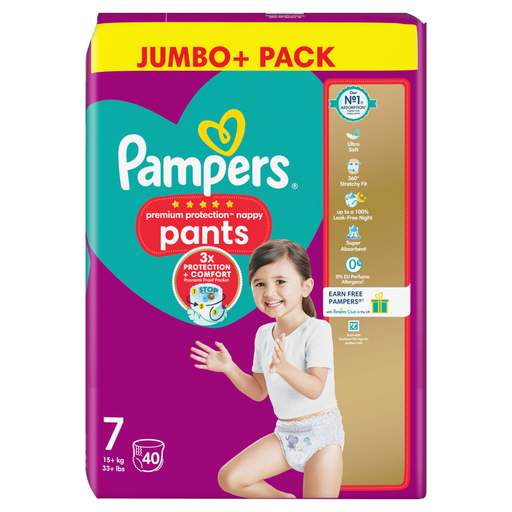
Why This Fits Their Persona: Designed for active toddlers aged 18 months and over, these pull-up pants suit nursery days, outings and wriggly changes.
The listing specifies a 360° waistband, tearable sides and a rear pocket feature, giving clear details beyond a general “leak protection” claim.
Pull-up format; wetness indicator and attached disposal tape are listed features.
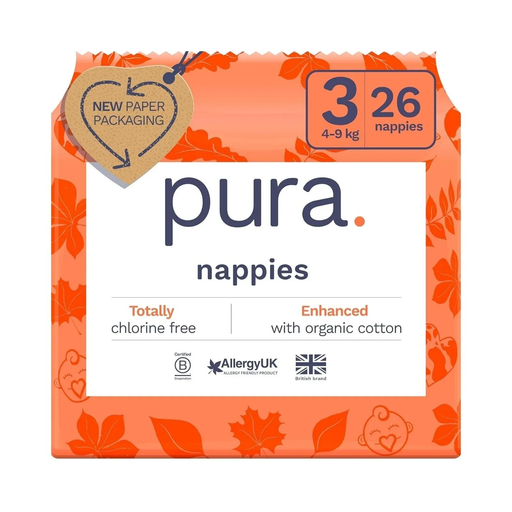
Why This Fits Their Persona: Suitable for families comparing eco-friendly nappies while still wanting a conventional disposable format for daily routines.
The materials list identifies plant-based polyethylene and organic cotton, allowing shoppers to assess the construction rather than relying on the word “eco”.
Size 3 for 4–9 kg; organic cotton against the skin and Allergy UK certification are listed product details.
We have compiled a complete, real-time list of products that fully satisfy these strict selection criteria and UK safety regulations.
Start with a modest supply across the likely newborn sizes rather than buying several large cases. Newborns may need frequent changes, but growth can be rapid. A few packs of newborn nappies, plus one or two wipe formats, allows you to check fit and skin compatibility before committing to bulk purchases.
Not necessarily. Sensitive baby wipes commonly avoid fragrance or alcohol, but formulas still differ. Check the ingredient list, use wipes gently and stop if redness or irritation develops. For very young babies, some families initially use cotton wool and water, depending on personal preference and advice from their midwife or health visitor.
Yes, provided the size and fit are appropriate, but overnight nappies may cost more per change. Regularly check your baby and change the nappy when wet or soiled. For toddlers, nappy pants can be convenient during the day, while taped nappies may offer easier adjustment for younger babies.