
24/7 Customer Support

Free returns

Same-day & Next-day Delivery

Quality Guaranteed

Unlock Your Welcome Offers: FREE Delivery | Up to 80% OFF | Free 30-day JoyPlus trial
Download the APP
Choosing baby nappies is rarely as simple as picking a familiar name from the supermarket shelf. A nappy that works well for one child may leak, rub or feel too bulky on another. UK parents also need to compare weight ranges, pack sizes, materials, skin claims and suitability for daytime or overnight use.
The following guide highlights common buying traps, explains the specifications that matter and matches several disposable nappies to different household needs.
Nappy sizes are often associated with age, but children grow at different rates. A newborn may move through sizes quickly, while an older baby may remain in the same size for longer. Always check the weight range printed on the packaging rather than relying only on “newborn”, “toddler” or age guidance.
For example, BC Babycare Royal Size 1 is listed for babies weighing 2–5 kg, while Size 4 products commonly cover approximately 8–14 kg or 9–14 kg, depending on the product.
Long-lasting absorbency can be useful overnight, but it does not remove the need for regular changes. Wet or soiled nappies should be changed promptly, particularly after bowel movements. A high absorbency rating describes the product’s design; it is not a recommendation to leave a child in one nappy for a fixed period.
Terms such as eco-friendly nappies, plant-based materials and recyclable packaging can refer to different parts of a product. Check whether the claim relates to the core, top sheet, packaging, manufacturing or the entire nappy. Disposable nappies generally contain several materials, including absorbent polymers, pulp, films, elastics and adhesives, so they should be placed in household waste rather than flushed.
The correct fit should sit securely around the waist and legs without leaving deep marks. If the tabs are difficult to fasten, the waist feels tight or the leg cuffs leave gaps, it may be time to move up a size. Conversely, a nappy that is too large can leak through the waist or leg openings.
The range from size 1 to size 8 nappies is not identical across brands. Compare the actual kilogram range, especially when moving between Pampers nappies, supermarket options and newer imported brands.
A nappy’s absorbent core may use wood pulp, cellulose, super absorbent polymer (SAP) or a combination of these materials. Features such as channels, wetness indicators, elastic leg cuffs and rear leak pockets can make changes easier and help contain moisture.
For overnight use, look for a secure waist, correctly positioned leg cuffs and an absorbent core designed for extended wear. Overnight nappies can support sleep routines, but regular checks and prompt changes remain important.
For babies prone to irritation, compare the ingredient and material list rather than relying on phrases such as “soft” or “kind to skin”. Some products are listed as fragrance-free, lotion-free, latex-free or suitable for sensitive skin. Certifications such as OEKO-TEX Standard 100 indicate that the product has been assessed under that certification system; they do not guarantee that every child will tolerate the product.
If redness or irritation develops, stop using the product and seek appropriate healthcare advice.
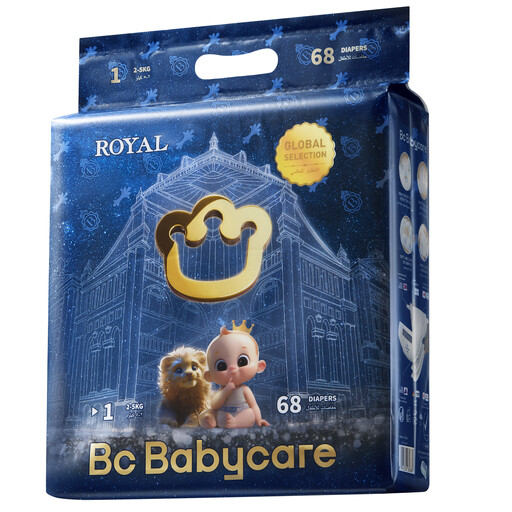
Why This Fits Their Persona: A 68-pack gives new families a practical starting supply for frequent newborn changes, with the weight range clearly stated for babies between 2 and 5 kg.
The product is identified by a 2–5 kg range rather than vague age guidance, helping reduce the risk of buying an unsuitable newborn size.
Wetness indicator strips, a breathable PE film and an absorbent core containing wood pulp and SAP.

Why This Fits Their Persona: Suitable for babies weighing 9–14 kg, this taped nappy offers a familiar format for active babies and toddlers who need a flexible everyday fit.
Its stated weight range and adjustable fastening system make fit easier to check than choosing solely by age or branding.
The product lists a Stop & Protect Pocket, absorbent micropores, flexible fastening and OEKO-TEX Standard 100 certification.
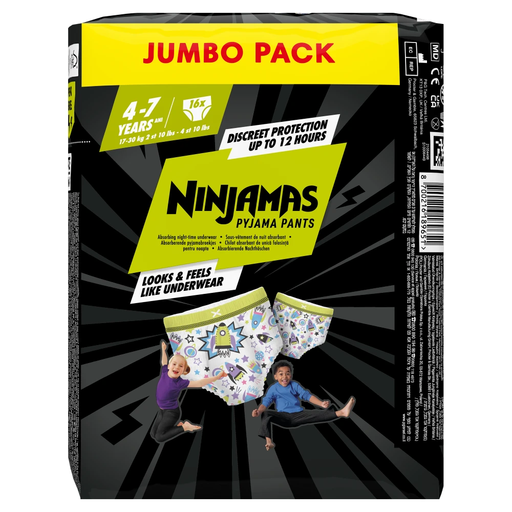
Why This Fits Their Persona: Designed for children aged 4+ years, these pull-on pyjama pants suit families managing night-time wetness or children who prefer an underwear-like style.
It is clearly positioned as a night-time pant rather than a standard daytime nappy, making the intended use easier to understand.
The product lists up to 12 hours of protection, a 360° FormFit Belt, tearable sides and OEKO-TEX Standard 100 certification.
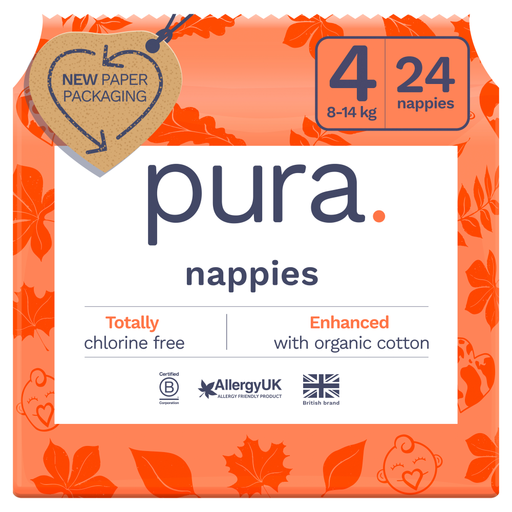
Why This Fits Their Persona: A useful option for families comparing sensitive skin nappies with environmental considerations, particularly when a smaller trial pack is preferred.
The pack contains 24 nappies, allowing families to assess fit and skin compatibility before committing to jumbo pack nappies.
Listed as fragrance-free, lotion-free, latex-free and phthalate-free, with organic cotton and recyclable paper packaging.
We have compiled a complete, real-time list of products that fully satisfy these strict selection criteria and UK safety regulations.
Change nappies when they are wet or soiled, and always change promptly after a bowel movement. Newborns often need more frequent changes than older babies. A wetness indicator can make checks easier, but it should be used alongside a visual and practical check.
Look for repeated leaks, red marks, tabs that no longer meet comfortably or a nappy that sits low at the back or front. Compare your child’s current weight with the manufacturer’s range before moving from one size to the next.