
24/7 Customer Support

Free returns

Same-day & Next-day Delivery

Quality Guaranteed

Unlock Your Welcome Offers: FREE Delivery | Up to 80% OFF | Free 30-day JoyPlus trial
Download the APP
As a parent, creating a safe and comfortable space for your little one to explore is a top priority. A good baby play mat seems like a simple purchase, but the market is filled with options that can be misleading. Many parents find themselves with a product that looks great online but fails to deliver on its promises, leading to disappointment and wasted money.
Before you buy, it's worth knowing the common pitfalls. We've seen countless families fall into these three traps:
To make a confident choice, focus on a few core parameters. These non-negotiable features separate a high-quality, practical baby floor mat from one you'll regret buying.
The material is the foundation of a safe play area. The two most common and reliable materials you will encounter are XPE foam and EVA foam.
A mat's thickness is directly related to its ability to protect your child from bumps and tumbles. A thickness of 0.5cm is simply not enough for hard flooring. For a truly effective and safe surface, look for a mat that is at least 1cm thick. A thickness of 1.5cm is even better, providing substantial cushioning that gives both you and your baby peace of mind during tummy time, sitting practice and those wobbly first steps.
Your life as a parent is busy enough without adding a high-maintenance item to your cleaning routine. A waterproof play mat is essential. A smooth, non-porous surface allows you to wipe away messes in seconds.
Consider how you will store the mat. A large play mat that is also foldable offers the best of both worlds: plenty of space for play and compact storage when not in use. Interlocking tiles are versatile for creating custom-sized areas but can be more time-consuming to assemble and disassemble.
We've matched some practical options to different family needs, helping you find a mat that fits your lifestyle.
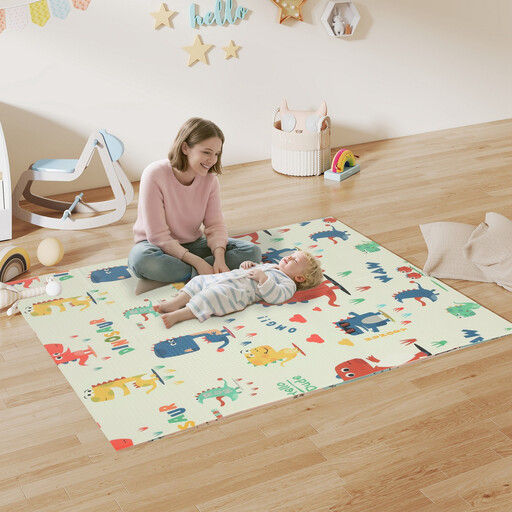
Why This Fits Their Persona: This is for the parent who wants a reliable, no-fuss solution for a baby or toddler. It's perfect for creating an instant safe zone on hardwood or laminate flooring for crawling and playing, and it packs away easily at the end of the day.
It directly counters the "too thin" pitfall with its generous 1.5cm thickness. The waterproof XPE foam surface makes it immune to the "uncleanable" trap—spills wipe right off.
The foldable, one-piece design is incredibly convenient for storage and travel. Its reversible nature, with a different design on each side, offers two aesthetics in one product.
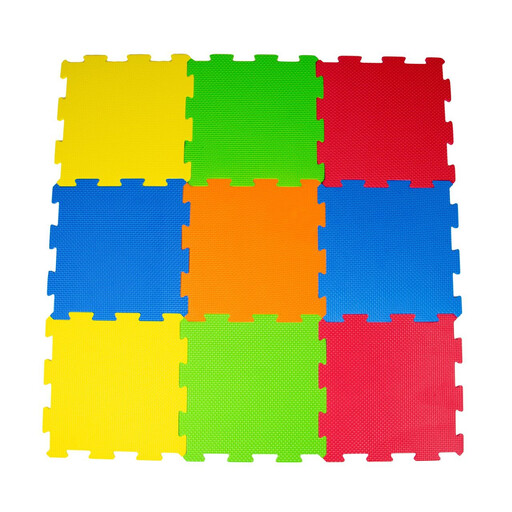
Why This Fits Their Persona: Ideal for families who need a flexible flooring solution. Whether you're sectioning off a corner of the living room or covering an entire playroom floor, these interlocking tiles let you build a play area of any shape or size.
Made from durable EVA foam, these tiles provide reliable cushioning. While all interlocking mats can trap dirt between seams, these are easy to wipe and can be fully separated for deep cleaning, avoiding a permanent hygiene issue.
The modular design is its greatest strength, offering complete customisation. The textured, slip-resistant surface adds an extra layer of safety for energetic toddlers, helping to improve stability.
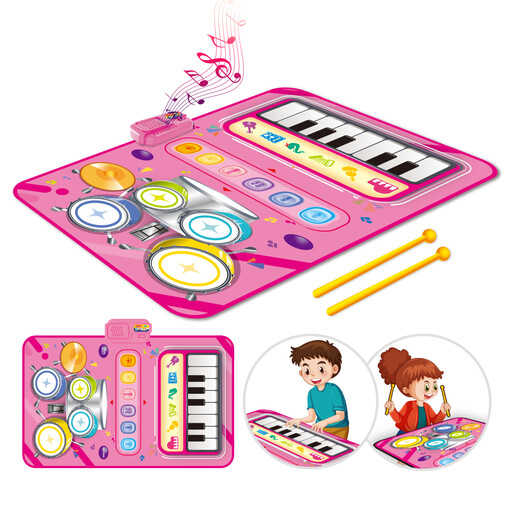
Why This Fits Their Persona: For parents of toddlers (aged 3+) who are looking for more than just a soft surface. This activity playmat is designed to engage, entertain and encourage development through interactive play.
This mat sidesteps the "boring mat" issue by being an interactive toy. Its purpose is stimulation, not just cushioning. Made from soft non-woven fabric, it is easy to fold and store, avoiding the problem of bulky, single-purpose items.
Its 2-in-1 functionality with piano and drum sounds promotes auditory development and hand-eye (or foot-eye) coordination. It encourages active, creative play rather than passive screen time.
We have compiled a complete, real-time list of products that fully satisfy these strict selection criteria and UK safety regulations.
For most waterproof XPE or EVA foam mats, cleaning is straightforward. Simply wipe the surface with a damp cloth and a mild, non-abrasive soap. Rinse with a clean, damp cloth and allow it to air dry completely. It is advisable to avoid harsh chemical cleaners or abrasive sponges, as they can damage the surface. For interlocking tiles, it's a good practice to separate them periodically to clean the edges and the floor beneath.
Yes, they can be very safe, provided you choose a quality product. Ensure the mat is made from high-quality, non-toxic EVA foam and is certified for your child's age group (e.g., suitable for 12 months+). The tiles should fit together snugly to prevent gaps that could become a trip hazard. For younger babies, always ensure there are no small, detachable parts that could pose a choking risk and use under adult supervision.
Both are good materials, but they have different characteristics. XPE foam is a higher-density material typically used in premium, one-piece foldable mats. It is known for being extremely durable, non-toxic and offering excellent, firm cushioning. EVA foam is the standard for interlocking tiles. It is also lightweight and provides good shock absorption, but the quality and density can vary between brands. For either material, the most important factor is ensuring it is certified free from harmful chemicals like BPA and phthalates.