
24/7 Customer Support

Free returns

Same-day & Next-day Delivery

Quality Guaranteed

Unlock Your Welcome Offers: FREE Delivery | Up to 80% OFF | Free 30-day JoyPlus trial
Download the APP
Creating a safe, comfortable and engaging space for your little one to explore is a top priority for any parent or caregiver. A baby play mat is more than just a soft spot on the floor; it’s a dedicated area for developmental milestones, from their first tummy time sessions to confident crawling and playful tumbles.
With so many options available, from large foam crawling mats to interactive sensory activity mats, finding the right one can feel overwhelming. This guide is designed to cut through the clutter, offering practical advice to help you select a play mat that suits your child's needs, your home and your lifestyle.
Before looking at specific products, it’s helpful to understand the key features that differentiate one mat from another. Considering these points will help you make a more informed decision.
The material of a play mat determines its comfort, durability and ease of maintenance. Most modern soft floor mats for kids are made from high-density foams like XPE or EVA. Both are lightweight and provide excellent cushioning. Look for mats that are explicitly described as non-toxic and free from BPA, phthalates and other harmful substances to comply with UK safety standards.
A key feature for busy households is a waterproof play mat. Spills, dribbles and other little accidents are inevitable, and a surface that can be wiped clean in seconds saves a significant amount of time and effort, ensuring a hygienic play environment.
Play mats come in two main designs: large, single-piece mats or interlocking foam tiles.
The ideal mat changes as your child grows. For a newborn, a sensory activity mat with different textures, high-contrast patterns and attached toys can make a tummy time mat much more engaging. These mats are designed to stimulate a baby’s developing senses.
As your baby starts to sit up, roll and crawl, a thicker, more spacious padded play mat becomes essential. It provides a cushioned surface that protects them from bumps and hard floors, giving them the confidence to move and explore freely.
Based on common needs of UK families, we've highlighted a few options that serve different purposes, from large-area coverage to portable sensory play.
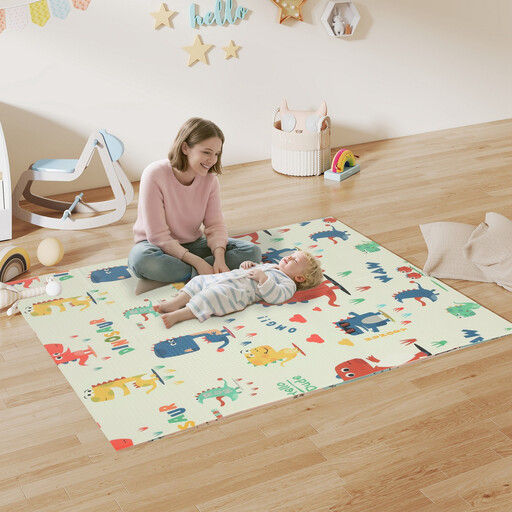
Why It Stands Out This mat is an excellent all-rounder, combining a large play surface with practical features. Its single-piece, foldable design makes it incredibly convenient for modern homes where space can be a premium. The reversible patterns also allow you to refresh the look of your play area instantly.
Pros
Who is it for? Parents seeking a large, comfortable and easy-to-clean foam crawling mat for their living room or nursery. It’s a great long-term investment, suitable for babies learning to roll right through to active toddlers.
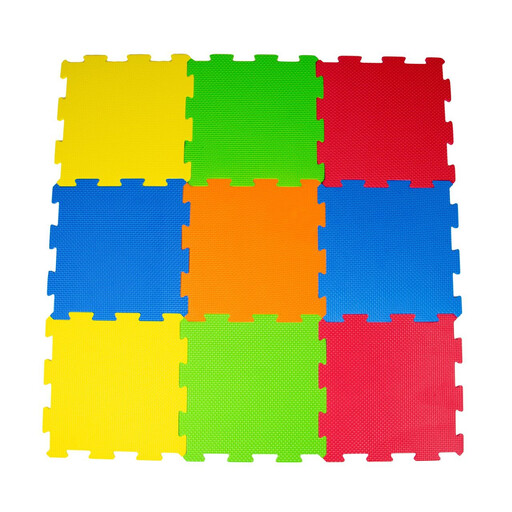
Why It Stands Out The main appeal of these interlocking foam tiles is their modularity. You can create a play surface of any size or shape, making them perfect for fitting into specific corners, playpens, or irregularly shaped rooms. The textured surface also provides extra grip for little ones finding their feet.
Pros
Who is it for? Families who need a flexible flooring solution that can adapt to their space. It’s also a practical choice for those who want to start with a smaller play area and have the option to expand it later.
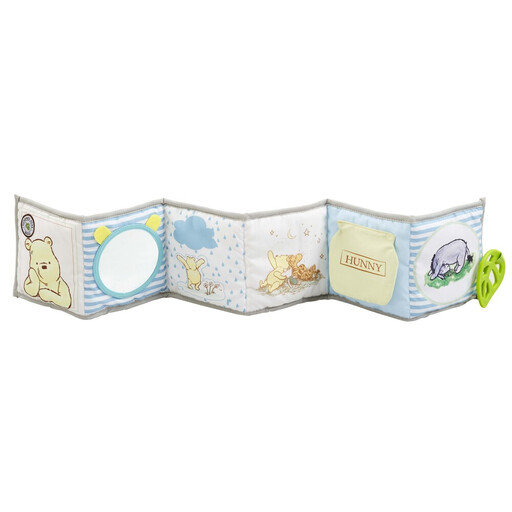
Why It Stands Out This product is less of a floor covering and more of a dedicated developmental toy. Designed as a sensory activity mat, it focuses on engaging a newborn's senses with various textures, sounds and visuals, making it an ideal companion for crucial tummy time.
Pros
Who is it for? New parents looking for an engaging tummy time mat for their newborn (0-6 months). It’s also an excellent gift for a baby shower, offering developmental benefits in a charming and portable package.
These recommendations cover some of the most popular needs, but every family is different. If you're looking for alternative sizes, different themes or specific materials, there are many other choices available.
Explore our full collection of playmats to find the perfect fit for your home and little one.
1. What is the difference between EVA and XPE foam for a baby play mat? Both EVA and XPE are safe, non-toxic foam materials commonly used for play mats. XPE foam is generally considered a more recent innovation; it is odourless, highly durable and has a very fine, smooth surface. EVA foam is also a reliable and widely used material known for its excellent cushioning and affordability, often found in interlocking foam tiles. Both provide a safe surface for play.
2. How thick should a foam crawling mat be? A thickness between 1cm and 1.5cm is a popular choice for a padded play mat. This offers a good balance of providing soft cushioning for inevitable tumbles while not being so thick that it becomes a trip hazard. If you have particularly hard flooring like tile or concrete, you might prefer a mat on the thicker end of this range for extra protection.
3. When should I start using a tummy time mat? You can start introducing tummy time in the first few weeks after birth, beginning with very short sessions of a minute or two, a few times a day. A dedicated sensory activity mat can help make this experience more enjoyable and engaging for your baby. Always ensure your baby is awake, alert and supervised during tummy time.