
24/7 Customer Support

Free returns

Same-day & Next-day Delivery

Quality Guaranteed

Unlock Your Welcome Offers: FREE Delivery | Up to 80% OFF | Free 30-day JoyPlus trial
Download the APP
Navigating the baby food aisle can feel overwhelming. With shelves full of colourful packages all promising a happy, healthy start for your little one, it is easy to feel lost. As a parent, you want a simple, nutritious and safe option, but marketing claims can often create more confusion than clarity. This guide is designed to help you cut through the clutter and understand what truly matters when selecting a baby porridge.
Before you make a choice, it is important to be aware of a few common pitfalls that can lead to unsuitable purchases.
infant cereal products contain high levels of naturally occurring sugars from fruit purees, concentrates, or milk powders. While natural, a high overall sugar content can accustom a baby's palate to overly sweet flavours from the very beginning.weaning porridge, making it crucial to verify ingredients if your child has known sensitivities or if you are introducing allergens systematically.To make a confident choice, focus on these three key parameters. They provide a clear framework for assessing any baby breakfast food and ensuring it meets your child's developmental needs.
The ingredients list is your most reliable source of information. Look for porridges where whole grains, such as oats or rice, are listed as the primary ingredient. A simple oat porridge for babies or a plain baby rice cereal is often a great starting point.
Pay close attention to the nutritional table, specifically the "Carbohydrates – of which sugars" line. This figure includes both added and naturally occurring sugars. While some sugar from milk (lactose) or fruit is unavoidable, comparing this value between products can help you choose an option with a lower overall sugar content, which is particularly important for the early stages of weaning.
Baby porridges are designed to match a baby's developing ability to eat. The stages on the packaging are not just a marketing gimmick; they correspond to texture and ingredients.
stage 1 baby food.Always choose a porridge that matches your baby's current developmental stage to support their oral motor skills safely.
Around six months of age, a baby's natural iron stores, which they are born with, begin to deplete. This is why many commercial baby porridges are fortified with key nutrients. When comparing options, look for fortification with:
A well-fortified infant cereal can play a valuable role in a balanced weaning diet.
Instead of a one-size-fits-all approach, we have matched some suitable options to different parenting needs and weaning stages.
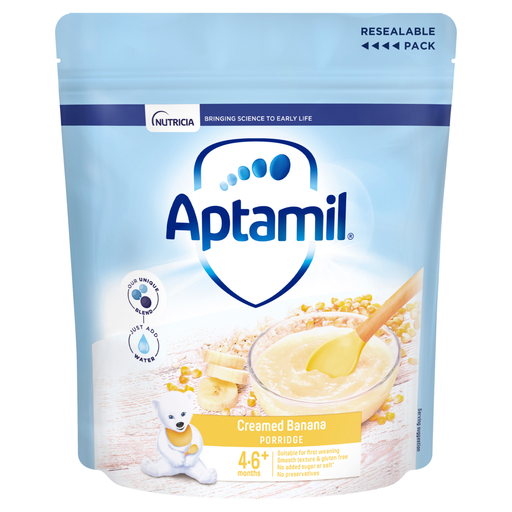
Why This Fits Their Persona: Ideal for parents starting their weaning journey who need a gentle, straightforward, and reliable first food. Its very smooth texture is easy for a baby to manage, and the mild banana flavour is a good introduction to taste.
This porridge has no added sugar or salt, addressing the "hidden sugars" pitfall. It is also gluten-free and clearly labelled for 4-6+ months, preventing any age or allergen confusion.
Fortified with iron, calcium and vitamins A, C and D. The resealable pack is convenient for managing portion sizes and maintaining freshness.
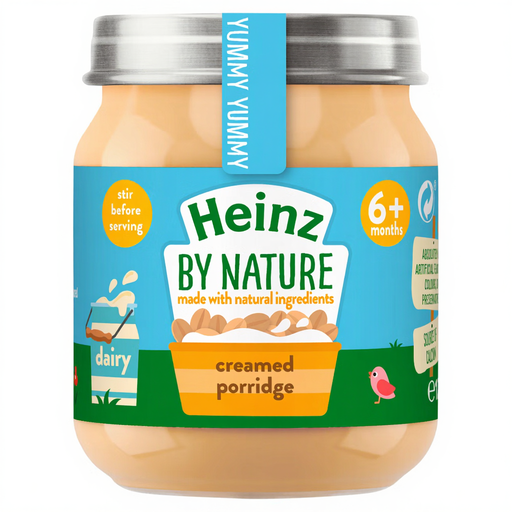
Why This Fits Their Persona: Perfect for parents whose baby is ready to move on from first tastes. It introduces the texture of oats in a creamy, gentle format, helping to expand their palate beyond simple rice or corn cereals.
This porridge has a simple ingredient list with no artificial colours, flavours or preservatives. The 6+ months label is clear, ensuring parents do not introduce oats before their baby is ready.
It is a source of calcium for normal bone development. The single-serving jar is convenient for busy mornings or for use when out and about, with no mixing required.
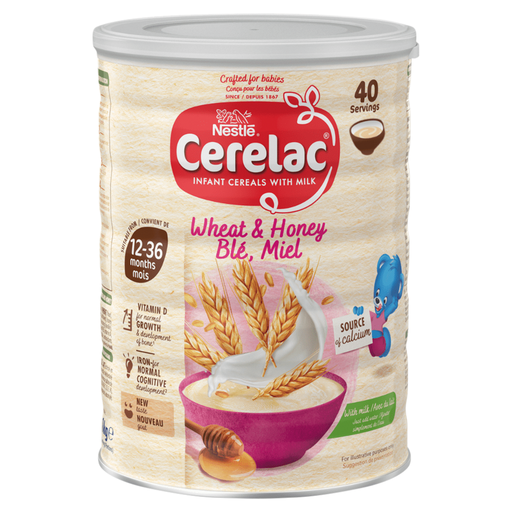
Why This Fits Their Persona: Designed for active toddlers who need a more substantial breakfast. The inclusion of wheat and honey provides more complex flavours and energy, catering to the growing appetite of a child over one year old.
This product directly prevents the dangerous "honey for infants" mistake by clearly stating it is for toddlers from 12 months. This explicit labelling ensures parents use it safely and at the correct developmental stage.
It is highly fortified with iron, calcium and vitamins A, C and D to support a toddler's rapid growth. The large 1kg tin offers excellent value for money for daily use.
We have compiled a complete, real-time list of products that fully satisfy these strict selection criteria and UK safety regulations.
Yes, you can use regular rolled or jumbo oats, but they require extra preparation. For early weaning, you should grind the oats into a fine powder using a blender before cooking them thoroughly with water or your baby's usual milk. The main advantage of commercial baby porridge is that it is already finely milled for a smooth texture and is fortified with essential nutrients like iron, which regular oats lack.
Baby rice cereal is often recommended as a first food because it is very low in allergens, easy to digest, and has a mild flavour. Oat porridge for babies is another excellent option that introduces a different grain. Oats contain more fibre than white rice and have a naturally creamier texture when cooked. Both are good choices, and offering a variety can help broaden your baby's palate.
Always follow the preparation instructions on the package. Typically, you will mix a specific amount of the dry porridge powder with warm, previously boiled water or your baby's usual milk. Stir until smooth and always check the temperature before serving. For dry porridge that comes in a box or resealable pouch, store it in a cool, dry place and use it within the timeframe specified after opening (usually 28 days) to ensure it remains fresh. Discard any uneaten porridge from your baby's bowl after a feed.