
24/7 Customer Support

Free returns

Same-day & Next-day Delivery

Quality Guaranteed

Unlock Your Welcome Offers: FREE Delivery | Up to 80% OFF | Free 30-day JoyPlus trial
Download the APP
Choosing baby products can quickly become expensive, especially when packaging focuses on impressive-sounding features rather than everyday usefulness. For UK parents, expectant parents, grandparents and carers, the right choice usually depends on age suitability, ingredients, sizing, safety information and how well a product fits your routine.
The following guide highlights common buying traps and practical checks before choosing baby care essentials, newborn products, feeding supplies, infant medicine or toys for children aged 0–3 years.
A product may include lights, sounds, multiple settings or a large number of accessories, but these features do not automatically make it suitable for your child. Consider whether the design matches your baby’s current stage and whether you have space to store it.
For toys, check the recommended age, battery requirements and supervision guidance. A product designed for 6–36 months may still be unsuitable for a younger child if it contains small detachable parts or is intended for active sitting or standing play.
Bulk packs of baby wipes and nappies can reduce how often you need to reorder, but opened products may dry out or take up considerable cupboard space. Wipes should be resealed after every use, while nappies need to be stored in a cool, dry place.
Large packs also make less sense if your baby is likely to move quickly between nappy sizes or if their skin reacts to a particular formula.
Infant medicine, colic relief and teething relief require more careful checks than general toiletries. Age, weight, ingredients, dose intervals and medical warnings all matter. Never combine products containing the same active ingredient, and do not rely on a product description instead of the supplied label or leaflet.
If symptoms persist, worsen or concern you, seek advice from a pharmacist, GP, health visitor or another appropriate healthcare professional.
Age ranges are a starting point, not a substitute for reading the full instructions. For example:
For products for newborns, confirm whether the item is suitable from birth, including any restrictions for premature babies or babies below a stated weight.
Check the full ingredient list for allergens, lactose, preservatives, flavourings and active ingredients. This is particularly important when purchasing infant formula, baby food or medicine.
Kendamil First Infant Milk products include milk ingredients and are intended to be used according to professional feeding advice where breastfeeding is not possible. Formula must be prepared using sterilised equipment and the stated water temperature and scoop ratio. Do not alter the concentration.
For baby food, check texture and age suitability. Ella’s Kitchen Beef Stew is listed from 7 months and should be served from a bowl or spoon rather than directly from the pouch. Any opened pouch should be refrigerated and used within the stated period.
For toys, look for clear manufacturer details, warnings and appropriate safety markings. Several listed sensory toys use ABS plastic and state compliance with CE and EN71 requirements, but parents should still inspect products for damage, loose parts and accessible battery compartments.
Button batteries can cause severe internal injuries if swallowed. Keep new and used batteries away from children and dispose of used batteries promptly. Ride-on toys should not be used on public roads and require direct adult supervision.
For wipes and nappies, look beyond claims such as “gentle” or “natural”. Check the actual material, fragrance content, resealable packaging and disposal instructions. Plant-based or plastic-free wipe claims generally apply to the wipe material, not necessarily every part of the packaging.

Why This Fits Their Persona: A practical 180-wipe pack for nappy bags, home changes and everyday clean-ups during the early months.
The ingredient list is short, with 99.9% water and grapefruit seed extract; it is also listed as fragrance-free and alcohol-free.
Plant-based wipe material, resealable packs and suitability listed from 0+ months.

Why This Fits Their Persona: Suitable for families comparing organic sourcing, whole milk ingredients and vegetarian-friendly DHA options.
The listed ingredients and preparation instructions are clearly provided, allowing shoppers to compare formula contents rather than relying on front-of-pack wording.
Organic whole milk, plant-based DHA and an 800g format with an internal scoop leveller.
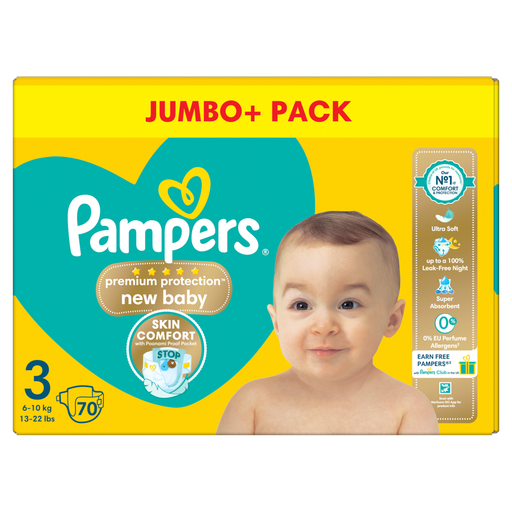
Why This Fits Their Persona: The 70-pack format suits households managing frequent changes, nursery preparation or regular travel between grandparents and home.
The product description states the size, pack count, breathable materials and wetness-management features, making it easier to check fit and expected usage.
Millions of micropores, soft flexi side wings and a stated three-way leakage protection design.
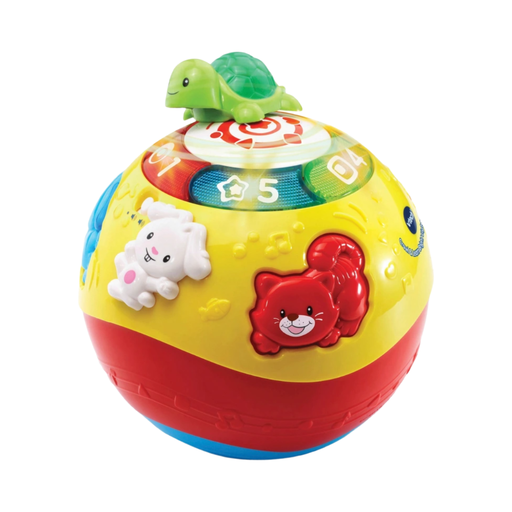
Why This Fits Their Persona: A suitable option for families seeking an interactive toy for crawling, reaching and supervised floor play.
Its stated age range is 6–36 months, and the product warning recommends direct adult supervision.
A built-in motor encourages crawling, while buttons, lights, songs and melodies provide several forms of interaction.
We have compiled a complete, real-time list of products that fully satisfy these strict selection criteria and UK safety regulations.
Start with a manageable set: correctly sized nappies, wipes or cotton wool, clothing, muslin cloths, a safe sleeping arrangement, feeding supplies suited to your plans and a basic thermometer. Infant medicine is not automatically required; if purchasing it, check age and weight restrictions and ask a pharmacist about suitability.
Replace nappies and wipes according to use, while checking packaging for storage guidance and expiry information. Formula should be used within the stated period after opening. Toys should be inspected regularly and removed if damaged, if parts become loose or if the battery compartment is no longer secure.
No. Choose according to the stated age range and your child’s abilities. Sensory toys with lights, sounds or movement should be used with adult supervision, particularly when batteries, small components or moving parts are involved. For products for babies aged 0–3 years, the warning label is as important as the feature list.