
24/7 Customer Support

Free returns

Same-day & Next-day Delivery

Quality Guaranteed

Unlock Your Welcome Offers: FREE Delivery | Up to 80% OFF | Free 30-day JoyPlus trial
Download the APP
Choosing baby products can quickly become expensive, especially when packaging highlights fashionable ingredients, oversized pack counts or broad promises about comfort. Parents, expectant parents, grandparents and other carers often need to compare nappies, baby wipes, feeding products, toiletries and travel accessories without wasting money on items that are unsuitable or difficult to use.
This guide focuses on practical checks for buying baby essentials and baby care products in the UK.
A jumbo pack may appear economical, but babies grow quickly and sizing can vary between manufacturers. Buying too many nappies in one size can leave you with unused stock. For wipes and toiletries, large quantities can also dry out or pass their recommended use period if stored poorly.
Compare the cost per nappy, wipe, serving or millilitre, rather than relying on the front-of-pack size.
Words such as “natural”, “mild” and “pure” do not tell you everything about a product. Check the complete ingredient list, fragrance content, allergens, age guidance and warnings. A product suitable for one child may not suit another, particularly where there is sensitive skin or a known intolerance.
For newborn products, look for clear instructions and avoid introducing several new skincare items at once. This makes it easier to identify the cause of any irritation.
A product designed for a three-year-old may contain small parts that are unsuitable for an infant. Similarly, a weaning spoon, baby food pouch or toothpaste must match the child’s development and the manufacturer’s stated age range.
Always check age guidance before buying baby feeding accessories, toys, infant formula or baby oral care products.
Use the stated age or weight range as a starting point, then consider your child’s individual needs.
Material descriptions are useful only when connected to everyday use. Soft silicone can be helpful for early weaning, while a breathable nappy outer layer may improve comfort. For travel items such as carriers, inspect the adjustment points, support panels, fastening system and supplied instructions.
For products described as BPA-free, plant-based or plastic-free, check exactly which component the claim applies to. For example, “plastic-free” may refer to the wipe material but not the packaging.
Feeding products require careful preparation. Infant formula should be made according to the label instructions, using sterilised equipment and the correct water temperature. Never change the powder-to-water ratio. Prepared feeds should be handled and discarded as directed on the packaging.
For baby food, check the storage period after opening and do not retain unfinished portions unless the label specifically permits it. Close tins, pouches and wipe packs properly to preserve freshness.
Medicines are a separate category of baby healthcare products. Check the active ingredient, age and weight requirements, maximum dose and time between doses. Never combine products containing the same active ingredient. Ask a pharmacist or other healthcare professional if you are uncertain.
The following options cover common UK household needs, with the relevant usage details stated by the product information.
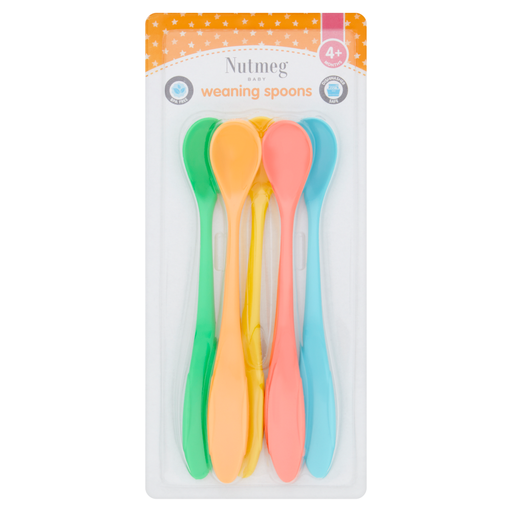
Why This Fits Their Persona: A five-pack gives families spare spoons for home, changing bags and nursery during the first stages of weaning.
The stated 4+ months suitability and clear supervision guidance help shoppers avoid buying an age-inappropriate utensil.
Soft silicone tip, chunky handle, long reach and dishwasher-safe construction.

Why This Fits Their Persona: Suitable for newborn and infant routines where shoppers prioritise a short ingredient list and convenient multi-pack storage.
The listed formula contains 99.9% purified water and 0.1% grapefruit seed extract, with no fragrance or alcohol stated.
Three packs of 60 wipes, plant-based wipe material and a resealable lid.
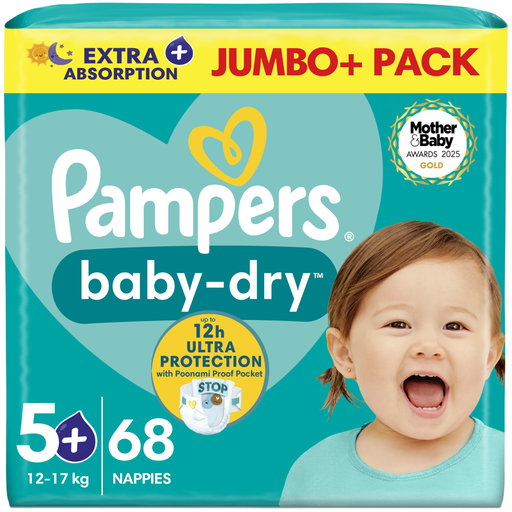
Why This Fits Their Persona: A practical option for active babies and households that need a larger supply for regular daytime and overnight changes.
The pack states a Size 5+ design with a flexible waistband, absorbent core and disposal tape, making the intended use clearer than a generic pack description.
68 nappies, 360-degree waistband and a super-absorbent core designed to lock away liquid.
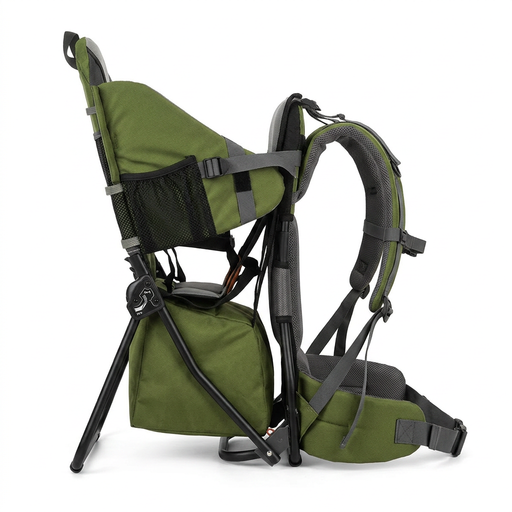
Why This Fits Their Persona: Designed for outings with children aged 6–36 months and supplied with a storage bag for transport.
The stated age range helps prevent buying a carrier before the child is suitable for its design; users should still follow the supplied fitting instructions.
Adjustable multi-position design, breathable fabric and included storage bag.
We have compiled a complete, real-time list of products that fully satisfy these strict selection criteria and UK safety regulations.
Start with a modest supply until you know which size and material suit your baby. Newborns may move between nappy sizes quickly, so buying several large boxes before birth can create waste. For wipes, keep one pack at home and one in the changing bag, then store unopened packs in a cool, dry place.
Read the full ingredient list, age guidance and usage instructions. If your baby has sensitive skin, fragrance-free options may be worth considering, but no product can guarantee suitability for every child. Stop using a product if irritation develops and seek medical advice where appropriate.
Confirm that the product is the correct stage, inspect allergens and follow the preparation instructions precisely. Use sterilised bottles and feeding equipment, measure water and powder accurately, and observe the storage and discard guidance. Breastfeeding is recommended where possible; if formula is needed, speak with a midwife, health visitor, pharmacist or doctor if you need feeding advice.