
24/7 Customer Support

Free returns

Same-day & Next-day Delivery

Quality Guaranteed

Unlock Your Welcome Offers: FREE Delivery | Up to 80% OFF | Free 30-day JoyPlus trial
Download the APP
Shopping for baby products can quickly become overwhelming. A colourful label may promise learning, comfort or convenience, but the useful details are often hidden in the specifications. For UK parents, grandparents and carers, the right choice usually depends less on impressive wording and more on age suitability, materials, cleaning requirements and everyday practicality.
This guide highlights common buying pitfalls, explains the specifications worth checking and matches selected products to different family needs.
An age range is only a starting point. A toy marked for babies or toddlers may still contain detachable accessories, require batteries or need close supervision. Always check the full warning label, especially for products with small components, cords, magnets, lights or moving parts.
For example, the 81-Piece Cutting Play Set is labelled as suitable for children aged 3 years and above because it contains small parts that may present a choking hazard. It should not be treated as a baby toy simply because it supports pretend play.
Musical and sensory toys can offer varied play, but loud or repetitive sounds may become impractical in a flat, during nap times or on public transport. Look for adjustable volume, mute functions or quiet play modes rather than assuming more sounds mean more value.
Likewise, a large nursery product may offer several functions but still be unsuitable if it cannot fit through doorways, fold into your car or store neatly at home.
“Easy to use” can mean very different things. A baby bottle may be simple to fill but difficult to clean. A bath may fold away but still require careful drying. Disposable wipes may be thick and moist but should never be flushed.
Check how a product will be cleaned, stored and replaced before buying. These details often have a greater effect on value than decorative features.
Match the product to your child’s current stage, not only their expected future use. Check:
For baby carriers, the listed weight range and fit are particularly important. A carrier advertised for newborns should still be adjusted according to the manufacturer’s instructions, with the baby’s face visible and airways unobstructed.
For feeding items, look for clear material information such as BPA-free polypropylene and silicone teats. For toys, smooth edges and a securely assembled body are practical features, but they do not remove the need for supervision or regular inspection.
Products such as the musical toys in this guide list ABS plastic, BPA-free construction and rounded edges. Treat these as stated product features rather than a substitute for checking the item when it arrives.
Look for appropriate warnings, manufacturer details and instructions. Toy listings may refer to CE marking and EN71 standards; check that the marking and documentation are present on the product or packaging. For nursery equipment, follow assembly instructions carefully and use only the stated weight limits.
For baby feeding products, inspect teats, valves and bottle bodies before every use. Replace any component showing cracks, weakness or damage.
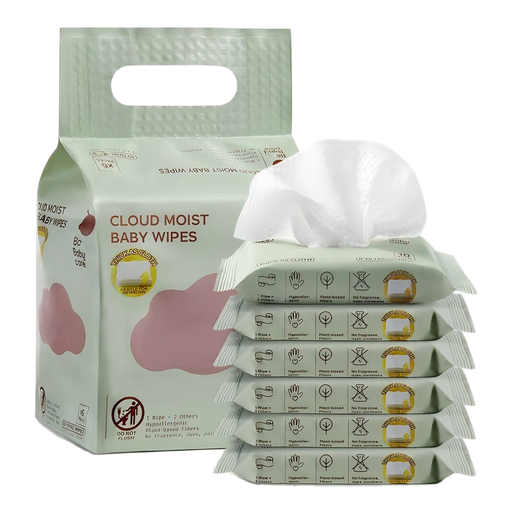
Why This Fits Their Persona: A compact six-pack format gives new parents, grandparents and carers a practical supply for changing bags and short trips.
The listing specifies an unscented formula, 99% purified water and sealed packs. They are disposable, so they should be placed in general waste rather than flushed.
Unscented, OEKO-TEX certified and made with plastic-free cellulose according to the product information.
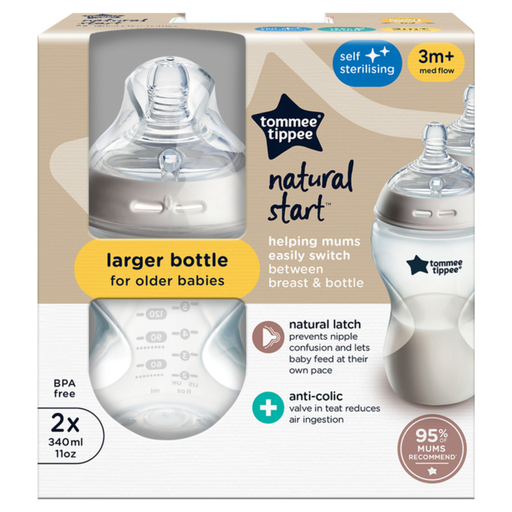
Why This Fits Their Persona: Families looking for a reusable feeding setup may value the twin-pack format and self-sterilising function for regular home use.
The instructions explain the 50ml water and three-minute microwave self-sterilising process, helping buyers understand the setup before purchase.
Two 340ml bottles, BPA/BPS/phthalate-free polypropylene components and silicone teats, according to the listing.
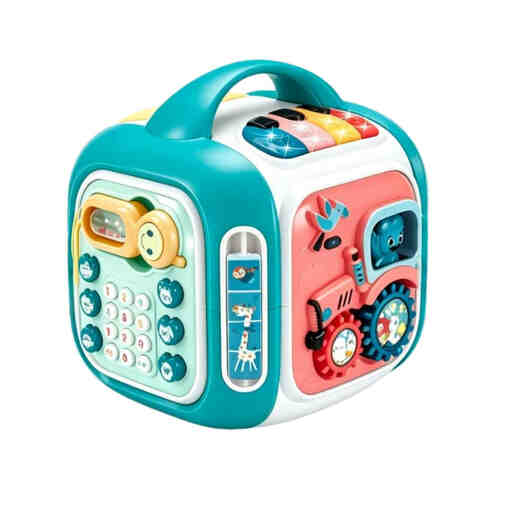
Why This Fits Their Persona: Suitable for families wanting one portable toddler activity toy with several hands-on play modes for home, travel or visits.
Its listed eight play modes are combined in a 23 x 23 x 24cm cube, making the feature count easier to assess against storage space.
Designed for ages 1–3, with piano, guitar, pretend phone, gears and musical windmill activities listed.
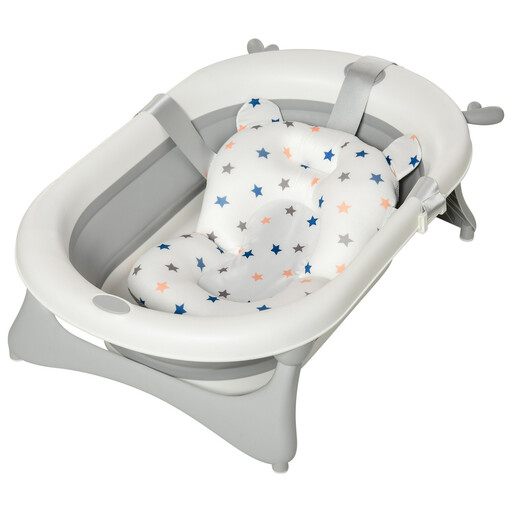
Why This Fits Their Persona: A practical option for households that need a dedicated bath but have limited cupboard or travel storage.
The product description provides a folded thickness of 9.5cm, a 35L bath capacity and a stated maximum load of 30kg, allowing space and use to be considered together.
Foldable design, soft bath cushion and a temperature warning plug that changes colour above the listed 37°C threshold.
We have compiled a complete, real-time list of products that fully satisfy these strict selection criteria and UK safety regulations.
Depending on your child’s stage, you may also need:
Start with products linked to daily routines: nappies, wipes, suitable clothing, feeding equipment if required, a safe sleeping arrangement and basic baby care essentials. Toys and larger equipment can be added when you know your baby’s stage, available space and routine.
Lifespan depends on construction, cleaning, frequency of use and whether the product is designed for a growing age range. Check for loose parts, cracks, damaged battery compartments and fading labels regularly. A toy that converts from floor play to table play may remain useful across several months, but it must still be used within its stated age range.
They can reduce repeat purchases, but the total cost also includes cleaning, replacement parts, electricity and storage. Reusable baby bottles may suit regular feeding routines, while disposable wipes and nappy sacks offer convenience when travelling. Compare the complete routine rather than the shelf price alone.