
24/7 Customer Support

Free returns

Same-day & Next-day Delivery

Quality Guaranteed

Unlock Your Welcome Offers: FREE Delivery | Up to 80% OFF | Free 30-day JoyPlus trial
Download the APP
Choosing baby products can quickly become expensive, particularly when attractive packaging hides limited age ranges, awkward cleaning requirements or features that are less useful than they first appear. UK parents, expectant parents and relatives buying gifts need products that match the baby’s stage, the available space at home and the way the item will actually be used.
This guide focuses on practical checks before buying baby bath equipment, newborn bath support, baby carriers, baby dummies, sensory baby toys and gifts for babies.
A product may look suitable for a newborn but still have a minimum age, weight or developmental requirement. For example, some toys contain small parts or batteries and are not suitable for babies under six months. A baby carrier may appear adjustable, yet still require a minimum weight of 3 kg or a specific carrying position.
Always check:
Terms such as ergonomic baby carrier or M-position describe a design intention, not a guarantee that every baby will be positioned correctly. The carrier must be adjusted so the baby’s face remains visible, the airway is clear and the legs are supported with the knees higher than the hips.
For a newborn bath, a shaped support can make handling easier, but it does not remove the risk of drowning. A baby must remain within arm’s reach throughout bathing.
Items that touch the mouth, skin or bath water require regular cleaning. Baby dummies should be inspected frequently and replaced when damaged or weakened. Electronic sensory toys may only be surface washable, while plush toys often need spot cleaning rather than machine washing.
Look beyond the initial price and consider:
A compact baby bath may use less water and fit more easily in a UK bathroom, but stability is essential. Look for a flat, level base, secure feet and clear instructions about compatible bath stands or tubs. The Shnuggle bath designs listed below use approximately 2 litres of water, according to their product information, and include a drain plug for easier emptying.
For a newborn bath support, confirm the maximum weight and the type of bath it fits. The Shnuggle Newborn Support Pebble is specified for babies from birth to six months and up to 9 kg. It is intended for standard bathroom tubs, not the Shnuggle Toddler Bath.
Never rely on a bath, support or backrest as a safety device. Check the water temperature and maintain constant adult supervision.
Prioritise a secure adjustment system, visible airway and a supported hip position. Useful specifications include:
Cotton fabric can be comfortable and machine washable, but laundering instructions should be followed to protect seams, buckles and structural support.
For baby dummies, check the teat material, shield ventilation and recommended age. Airflow dummies with larger vents can reduce the amount of shield touching the cheeks, while a symmetrical teat may be easier to position consistently. These features do not eliminate the need for regular inspection.
A baby care kit can offer value when you need several functions, but confirm exactly what is included. For battery-powered nail files, nasal aspirators and thermometers, check cleaning instructions, battery type and storage arrangements. Do not treat any grooming or monitoring item as a substitute for professional medical advice.
For a baby rattle toy or sensory baby toy, choose products labelled for the child’s age. Check for loose parts, battery compartments and secure fastenings. Toys with sound and lights may be engaging, but volume, cleaning and battery safety are practical considerations.
Plush toys intended for older children should not automatically be given to newborns. The Flooffees London Pink Plush Mug Toy, for example, is listed for ages three and up, making it more suitable as a later gift or room decoration rather than a newborn essential.
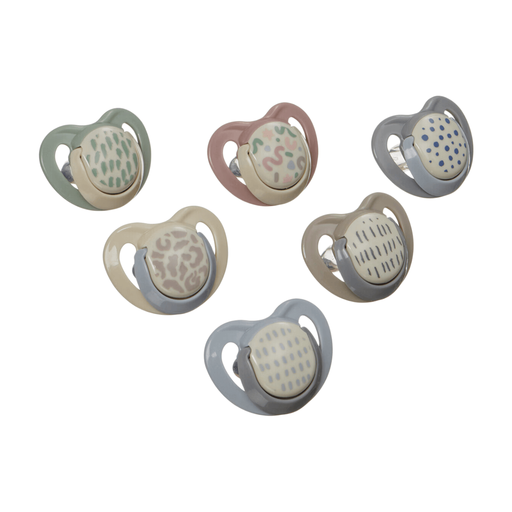
Why This Fits Their Persona: A six-pack gives new parents several dummies to rotate between home, changing bags and outings, which can reduce last-minute washing.
The listed 0–6-month range helps avoid buying a later-stage dummy for a newborn. The airflow shield also limits contact around the mouth.
Food-grade silicone teat, BPA-free polypropylene shield and top-rack dishwasher guidance.

Why This Fits Their Persona: Suitable from birth to 12 months and beyond, this compact option suits households seeking a dedicated baby bath without a bulky footprint.
The product details clearly state that it is not a safety device and requires constant adult supervision.
Integrated foam backrest, drain plug and approximately two-litre water capacity.
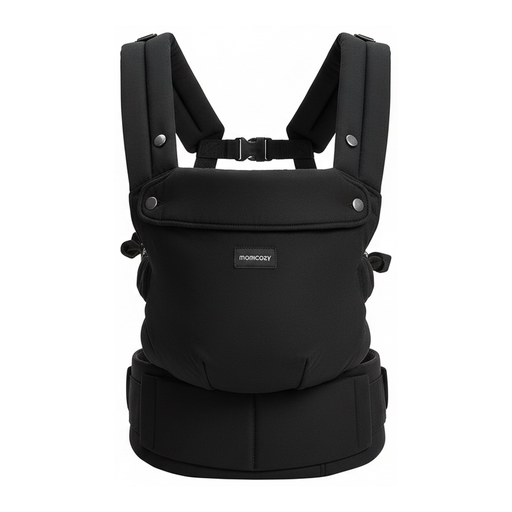
Why This Fits Their Persona: The 3–20 kg range and adjustable design suit parents using a carrier regularly for walks, public transport and everyday errands.
Its stated weight range and airway warnings make fit checks part of normal use rather than an afterthought.
Machine-washable cotton, EVA waist support and three adjustable carrying positions.
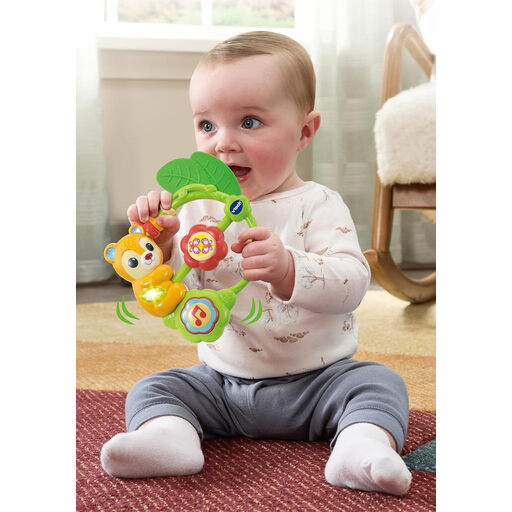
Why This Fits Their Persona: Suitable from three months, it offers tactile textures, movement-activated sounds and a strap for prams, car seats and changing bags.
The removable electronic module allows the fabric toy to be cleaned according to its surface-washing instructions.
Light-up button, motion-activated audio and a hook-and-loop attachment strap.
We have compiled a complete, real-time list of products that fully satisfy these strict selection criteria and UK safety regulations.
Start with practical items you will use immediately: suitable dummies if you plan to use them, gentle bathing equipment, nappies, clothing, feeding supplies and a safe place to sleep. Toys and plush gifts can usually wait until you have checked their age suitability and washing instructions.
Inspect a dummy before every use, including the teat and shield. Replace it at the first sign of tears, weakness, distortion or damage. Follow the manufacturer’s cleaning guidance and any stated replacement recommendation. Never attach a dummy around a child’s neck or dip it in sweet substances.
Some are, but the product must specifically state that it is suitable from birth and provide clear positioning instructions. Check the minimum weight, keep the baby’s face visible, support the head and neck where required and ensure the airway remains clear. Stop using a position when the manufacturer’s age, weight or developmental guidance says to do so.