
24/7 Customer Support

Free returns

Same-day & Next-day Delivery

Quality Guaranteed

Unlock Your Welcome Offers: FREE Delivery | Up to 80% OFF | Free 30-day JoyPlus trial
Download the APP
Choosing baby sensory toys can feel straightforward until you compare flashing lights, musical features, age labels and long lists of developmental promises. The right toy should suit your child’s current abilities, your available space and the way your family actually plays.
Whether you are shopping for infant sensory toys, developmental toys for babies or a birthday gift, look beyond the marketing language. A toy with many features is not automatically suitable, and an attractive design may hide practical drawbacks.
A label such as “6–36 months” covers a wide stage of development. A toy that suits a seated six-month-old may be less useful for a confident toddler. Check whether your child can sit unaided, stand, reach, grip, crawl or follow simple instructions before buying.
For example, a seated activity centre is not suitable for a child who cannot sit independently, while a construction vehicle with small moving elements is intended for children aged three and above.
Some baby activity toys include lights, melodies, buttons, gears and pretend-play elements. These can support exploration, but too many unrelated features may make the toy difficult to use or irritating in a smaller UK home.
Consider how your child will interact with it. Pressing, spinning, stacking, reaching and crawling offer clear actions and responses. Claims about “boosting intelligence” or guaranteeing developmental results should be treated cautiously. Toys can create opportunities for play, but they do not replace attentive interaction.
Fabric toys may need surface cleaning rather than machine washing. Electronic toys often require batteries that are not included. Large foam sets can take up considerable floor space, even when they are suitable for playrooms or nurseries.
Before ordering, check the product dimensions, cleaning instructions, battery requirements and storage arrangements. These details often matter more after the first few weeks of use.
The manufacturer’s age guidance is an important starting point, but it should be matched to the child’s ability. Look for warnings about small parts, choking hazards, sitting requirements and adult supervision.
A toy designed for tummy time should be used on a clear, stable floor. Activity centres, musical tables and soft play equipment for toddlers should be positioned away from stairs, radiators, cords and furniture that could create additional hazards.
Look for clear material information and relevant conformity markings. EN71 refers to European toy safety requirements covering areas such as mechanical and physical properties, flammability and migration of certain elements. CE marking indicates that the manufacturer declares conformity with applicable European requirements; it is not a guarantee that every child will use the product safely.
Check that edges are smooth, fastenings are secure and removable parts cannot easily detach. For fabric books and pram toys, inspect clips, stitching, squeakers and internal components regularly. BPA-free material claims may be useful product information, but they should not replace supervision and routine checks.
For musical toys for toddlers, an adjustable volume control is practical in flats, shared homes and during quiet periods. Batteries should be secured behind a screw-fastened compartment where applicable.
For larger items, compare the assembled dimensions with your available space. A soft play set may encourage crawling, climbing and route planning, but it needs a clear area and should be checked for movement, worn covers or damaged hook-and-loop attachments.
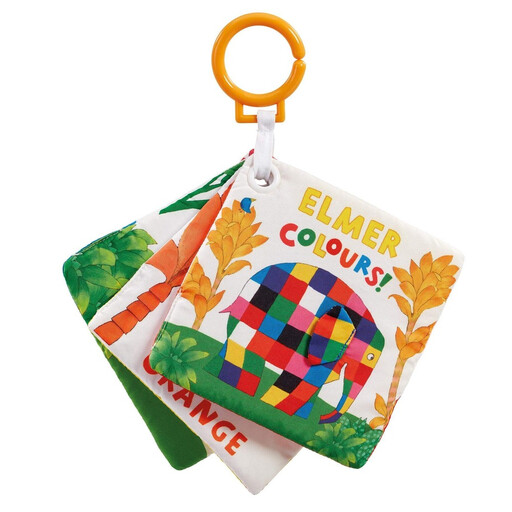
Why This Fits Their Persona: A compact choice for new parents, gift buyers and families who want a portable first toy for prams, car seats or changing bags. It is suitable from 0+ months.
It avoids unnecessary electronic complexity, battery costs and bulky storage. The clip ring, textured patches, crinkle sounds and squeaker provide several forms of sensory interaction in a small format.
Soft fabric construction; lightweight design; clip for portable attachment; tactile and sound features.
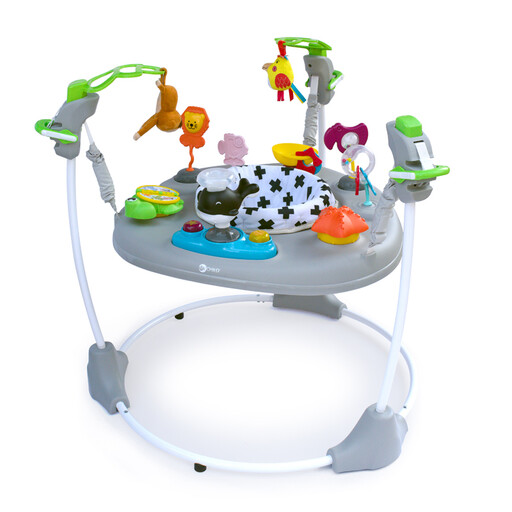
Why This Fits Their Persona: A suitable option for households seeking a dedicated activity centre for a baby who can sit unaided and weighs up to 12kg.
The suitability limits are clearly stated, helping buyers avoid choosing a centre for a child who cannot sit independently. The seat pad is removable and washable, addressing routine-cleaning concerns.
360° rotating seat; three height positions; ten activities with sounds, melodies and lights; washable seat pad.
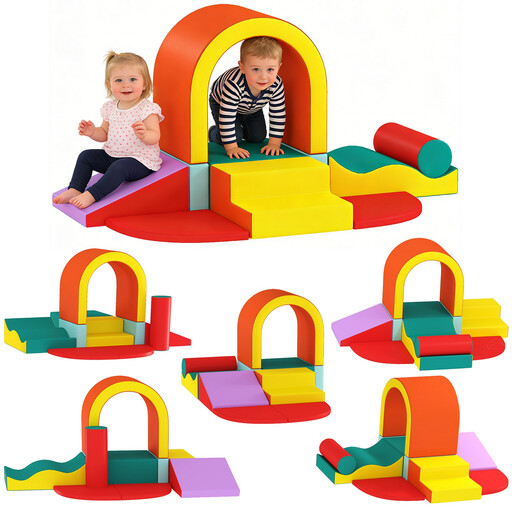
Why This Fits Their Persona: Designed for active toddlers aged 12–36 months who need a dedicated indoor climbing and crawling area at home or in a nursery.
Its dimensions and recommended age are specified, so buyers can assess floor space before ordering. The wipe-clean PU surface also addresses the maintenance demands of energetic play.
Ten rearrangeable pieces; PU and EPE construction; wipe-clean surface; stated EN71-1-2-3 tested standard.
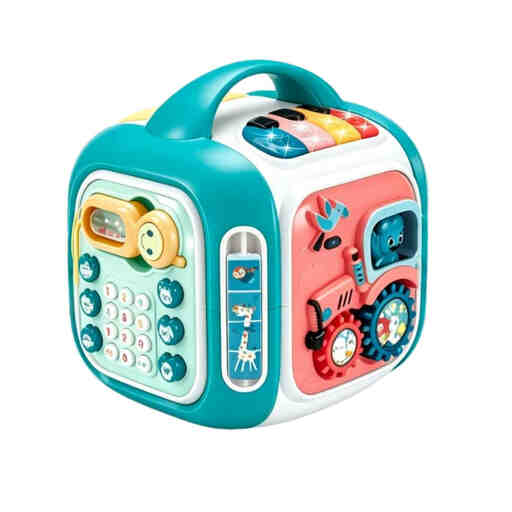
Why This Fits Their Persona: A practical fit for one- to three-year-olds who enjoy seated, hands-on play and for families wanting one compact toy for travel or shared play.
The 23 × 23 × 24cm format is easier to store than a large activity centre. Its varied manual controls offer play beyond lights and sound, although batteries and supervision should still be considered.
Eight play modes; piano, guitar, gears and pretend phone; carry handle; ABS construction with rounded edges.
We have compiled a complete, real-time list of products that fully satisfy these strict selection criteria and UK safety regulations.
Choose toys that encourage reaching, grasping, visual tracking and tummy-time interaction. Soft activity books, textured pram toys, rattles and stable light or sound toys can be suitable when the product’s age guidance matches the child’s ability. Avoid toys with detachable small parts and supervise play.
Lifespan depends on construction, frequency of use and whether the toy matches the child’s stage. A fabric toy may remain useful as a portable comfort or interaction item, while a seated activity centre may be outgrown once a child becomes more mobile. Rotate toys and inspect them for loose stitching, cracks, damaged clips or worn fastenings.
Many electronic musical toys do. Check whether batteries are included, the type required and whether the compartment is secured. Adjustable volume or mute functions are useful for indoor play, particularly in flats or during quiet periods. Non-electronic musical toys, such as a child-sized guitar or drum, avoid ongoing battery costs but still need age-appropriate supervision.