
24/7 Customer Support

Free returns

Same-day & Next-day Delivery

Quality Guaranteed

Unlock Your Welcome Offers: FREE Delivery | Up to 80% OFF | Free 30-day JoyPlus trial
Download the APP
Welcoming a new baby brings a whirlwind of joy and a long list of things to buy. When it comes to playtime, the sheer volume of options can be overwhelming. How do you choose toys that are not just fun, but also beneficial for your little one's growth? The answer often lies in baby sensory toys.
These toys are specifically designed to engage a baby's developing senses—sight, sound and touch. From gentle melodies to varied textures and soft lights, the right sensory toy can play a significant role in early development, helping to soothe, entertain and stimulate your child. This guide is here to help you navigate the choices, offering practical advice and a few of our top recommendations to make your decision a little easier.
By Joybuy Product Recommendation Officer
Before you add anything to your basket, it helps to know what makes a good sensory toy. Keeping a few key points in mind will ensure you select items that are safe, engaging and appropriate for your baby's stage of development.
A baby's needs change rapidly in the first couple of years. Newborn toys should focus on simple, high-contrast patterns and gentle sounds, as a baby's vision is still developing. As they grow, they will be ready for more complex items like light up baby toys and those that encourage interaction.
Always check for the UKCA or CE mark, which indicates that the toy meets the UK and European safety standards. Pay close attention to the recommended age range and ensure there are no small parts that could become a choking hazard, especially for unsupervised play in a cot.
A well-rounded sensory experience engages multiple senses. Look for toys that offer a variety of stimuli:
A toy is only useful if it fits into your daily life. Consider how easy it is to clean—a crucial factor for anything that will inevitably end up in a baby's mouth. Portability is another plus. Toys that can be easily attached to a pram, car seat or cot allow for entertainment and soothing on the go, making them versatile baby soothers.
After reviewing a range of options based on their features, suitability and user feedback, we have selected a few standout products that cater to different needs and stages.
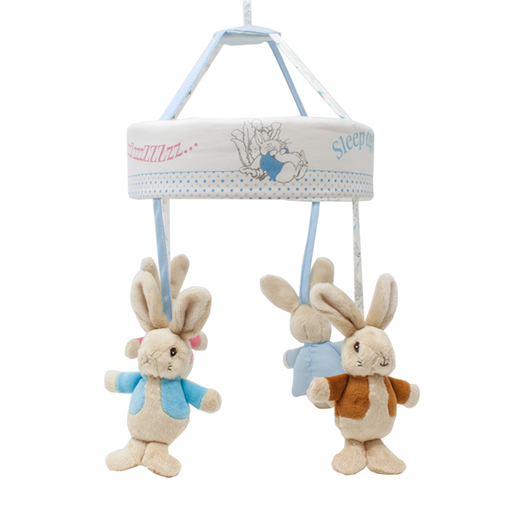
Why It Stands Out: This mobile brings a timeless, classic charm to the nursery. It operates with a traditional wind-up mechanism, meaning no batteries are required. The gentle rotation of the four beloved Beatrix Potter characters combined with Brahms' Lullaby provides soothing visual and auditory stimulation, perfect for lulling a newborn to sleep.
Pros:
Who is it for? Ideal for parents of newborns (0-6 months) looking for a traditional and calming cot toy. It also makes for a beautiful new baby gift that complements any nursery decor.
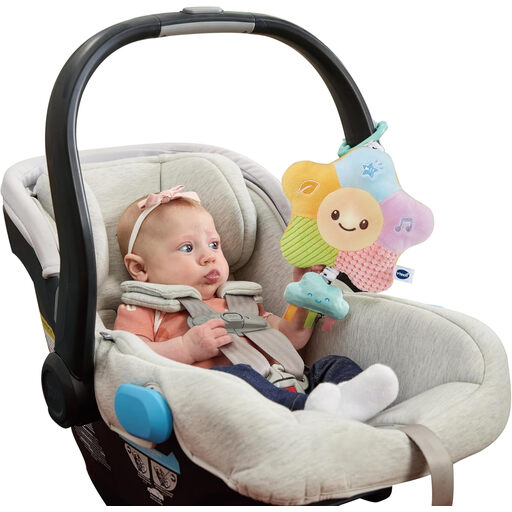
Why It Stands Out: This star-shaped soother is a versatile companion for both home and travel. It combines soft, colour-changing lights with a selection of nature sounds and peaceful melodies to create a calming environment. Its most practical feature is the clip-on attachment, allowing it to be easily secured to a cot, pram or car seat.
Pros:
Who is it for? A great choice for parents who need a portable baby soother to help calm their little one anywhere, from the car to the nursery. It's suitable from birth onwards.
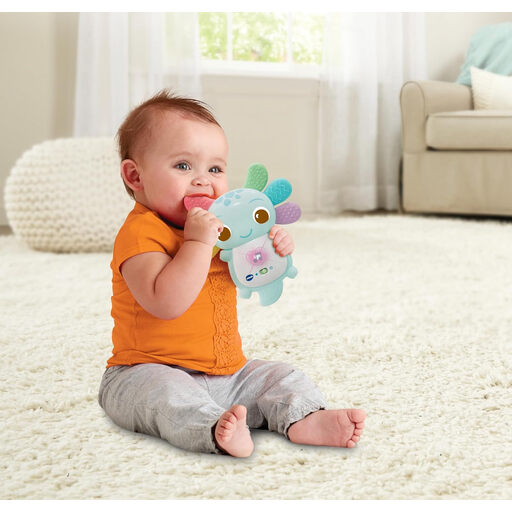
Why It Stands Out: This toy cleverly combines two essential functions: a teether and a sensory plaything. The soft, textured silicone body is designed to soothe sore gums, while the light-up heart button activates songs and melodies. Its small, easy-to-grip design makes it one of the most practical teething toys for babies who are also starting to explore with their hands.
Pros:
Who is it for? Perfect for babies from 3 months onwards who are beginning to teethe and need a toy that is both comforting and engaging.
While these picks cover a range of needs, from soothing a newborn to comforting a teething infant, you may be looking for something different. If you are particularly interested in toys that focus on sound and melody, there are many more options to discover.
For a wider selection, explore our full collection of baby musical toys to find the perfect tune for your little one.
1. When should I introduce sensory toys to my baby? You can introduce sensory toys right from birth. For newborns, simple, high-contrast cards or a gentle musical mobile are ideal. As they gain more control over their movements, you can introduce rattles, textured toys and activity mats. By around 3-4 months, they will be ready for interactive baby development toys and teethers.
2. Are light up baby toys bad for a baby's eyes? Toys from reputable manufacturers are designed with infant safety as a priority. They typically use soft, diffused lighting and gentle colour transitions rather than harsh, flashing strobes. It is always a good idea to choose toys with subtle light effects, especially for very young babies, to avoid overstimulation.
3. How do I clean baby sensory toys? Always refer to the manufacturer's cleaning instructions on the label or packaging. Hard plastic toys can usually be wiped down with a damp cloth and a mild, baby-safe cleaner. Silicone teething toys can often be washed in warm, soapy water or even sterilised. For fabric or plush toys, check if they are machine washable or spot-clean only to maintain their shape and integrity.