
24/7 Customer Support

Free returns

Same-day & Next-day Delivery

Quality Guaranteed

Unlock Your Welcome Offers: FREE Delivery | Up to 80% OFF | Free 30-day JoyPlus trial
Download the APP
Choosing a baby shampoo can feel surprisingly complex. The shelves are filled with colourful bottles, all promising the gentlest, kindest care for your little one. As parents and caregivers in the UK, we want products that are safe, effective and straightforward. However, navigating the marketing claims can lead to confusion and unnecessary expense.
As the Joybuy Product Recommendation Officer, my role is to help you see past the hype. Before you add a product to your basket, let's look at a few common pitfalls that can catch even the most careful shoppers out.
To make an informed choice, focus on a few key parameters rather than marketing slogans. These are the non-negotiables for ensuring a product is genuinely suitable for your child.
A baby's skin barrier is thinner and more permeable than an adult's, making it more susceptible to irritation. When selecting a shampoo for sensitive skin, the ingredient list is your most reliable guide.
Healthy skin has a slightly acidic protective layer known as the acid mantle. A good gentle baby wash should be pH-balanced to match the natural pH of a baby's skin (around 5.5). This helps to maintain that protective barrier, preventing moisture loss and keeping irritants out. Products that are not pH-balanced can disrupt this barrier, leading to dryness and sensitivity.
Third-party approvals can provide an extra layer of reassurance.
Instead of a one-size-fits-all approach, the right product often depends on your child's specific age, hair type and skin needs. Here are a few options matched to different family profiles.
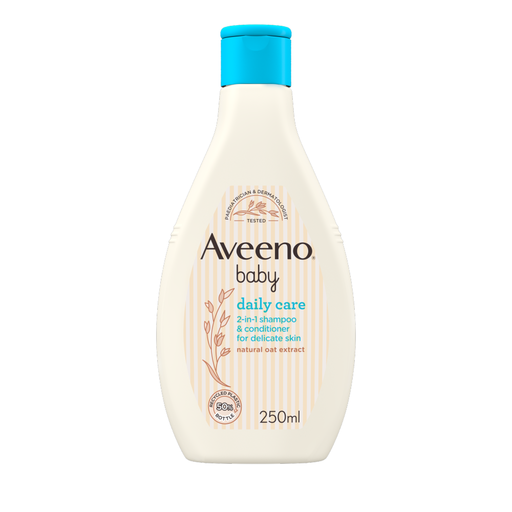
Why This Fits Their Persona: Ideal for new parents seeking a simple, ultra-gentle routine. This 2-in-1 formula cleanses and conditions in one step, perfect for a newborn's fine hair and delicate scalp. The inclusion of oat extract is well-regarded for its soothing properties.
It sidesteps the "All-in-One" trap by being specifically formulated for the most delicate stage (0+ months), with ingredients chosen to preserve the skin's natural barrier rather than being a generic catch-all.
Paediatrician and dermatologist tested; free from sulphates, soaps and dyes. The formula is pH-balanced and contains nourishing oat extract.
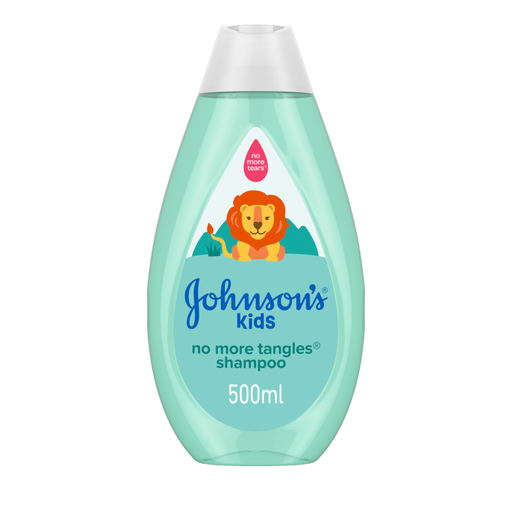
Why This Fits Their Persona: For parents of active toddlers and young children whose hair is prone to knots. This is a dedicated detangling shampoo for kids, designed to make post-bath combing a less tearful and time-consuming process.
Its value proposition is its specific detangling action, not just the standard "tear-free" claim. It solves a common and frustrating problem for parents, justifying its use over a generic baby wash.
The formula is specifically designed to smooth hair and help unlock knots. It is hypoallergenic, pH-balanced and suitable for sensitive skin.
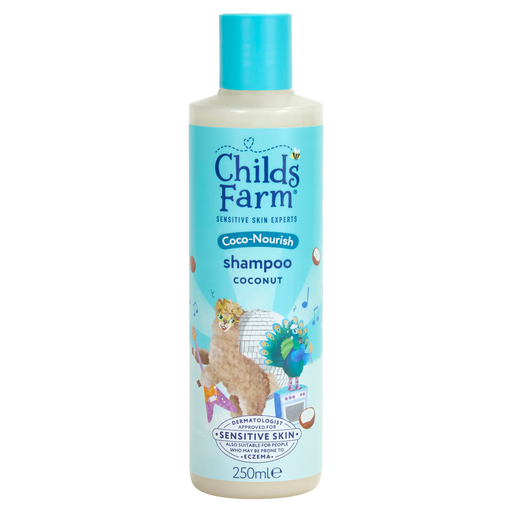
Why This Fits Their Persona: This UK-based brand is a strong choice for families prioritising natural ingredients and ethical production. It's specifically formulated for dry and curly hair, using coconut water to hydrate and define curls.
It avoids the "Natural Illusion" by being transparent, stating it contains 97% natural origin ingredients and backing this up with credible certifications from The Vegan Society and the Leaping Bunny programme.
Certified vegan and cruelty-free. The bottle is made with 100% recycled ocean-bound plastic, and the formula is approved for sensitive and eczema-prone skin.
We have compiled a complete, real-time list of products that fully satisfy these strict selection criteria and UK safety regulations.
1. How often should I wash my baby's hair? For newborns, washing their hair once or twice a week is usually sufficient. As they get older and more active, you can increase this to two or three times a week, or as needed. Over-washing can dry out their delicate scalp.
2. What is the main difference between baby shampoo and adult shampoo? The primary difference is the gentleness of the formula. Kids shampoo and baby formulas use much milder cleansing agents that won't strip the natural oils from the scalp and hair. They are also pH-balanced to suit a baby's more sensitive skin and are almost always formulated to be tear-free.
3. Can I use baby shampoo for eczema-prone skin? Yes, but it's important to choose the right one. Look for products that are specifically marked as suitable for sensitive and eczema-prone skin. These are typically free from common irritants like fragrances, sulphates and soap. It is always a good practice to perform a patch test on a small area of skin 24 hours before first use.