
24/7 全天候客户支持

免费退货

当日/次日达

品质保障

开启新人专享福利: 全场免邮 | 低至 2 折 | 免费试用 30 天 JoyPlus 会员
下载 Joybuy
As a parent, navigating the aisles of baby skincare products can feel overwhelming. Shelves are filled with lotions, creams and washes, all promising to be the perfect choice for your little one's delicate skin. However, not all products are created equal, and clever marketing can sometimes lead you to purchase items that are either unnecessary or unsuitable.
As the Joybuy Product Recommendation Officer, my role is to help you see past the hype. This guide will walk you through the most common purchasing pitfalls and highlight the key factors to consider, ensuring you can choose with confidence.
Before you add anything to your basket, be aware of these frequent traps that can lead to wasted money and potential skin irritation for your baby.
To make an informed decision, focus on these three non-negotiable product characteristics.
You do not need a degree in chemistry to understand a baby product label, but knowing what to look for is helpful.
A baby's skin has a naturally acidic protective layer, known as the acid mantle, with a pH of around 5.5. Using products that are not pH-balanced (like some traditional soaps) can disrupt this barrier, leading to dryness and irritation. Look for gentle baby wash and baby bath products that are explicitly labelled as pH-balanced to help maintain this natural defence.
Understanding the job of each product is key to building an effective routine.
Based on these practical criteria, here are some product recommendations matched to specific parenting needs.
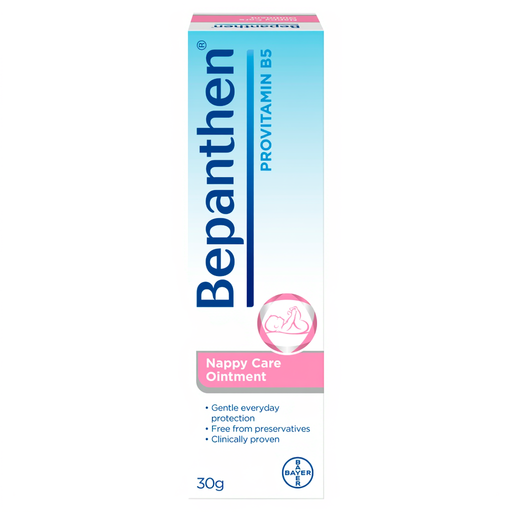
Why This Fits Their Persona: First-time parents often prioritise gentle, proven formulas for newborn skin. This ointment is a trusted choice for everyday protection against the causes of nappy rash, focusing on prevention rather than harsh treatment.
It directly addresses the 'prevention vs. treatment' pitfall. Its breathable, transparent film is designed for daily use, unlike heavy, occlusive creams. It is also free from fragrances, colours and preservatives.
Contains Pro-vitamin B5 to aid the skin's natural recovery. The formula is clinically proven and gentle enough for the most sensitive skin, including that of premature babies.
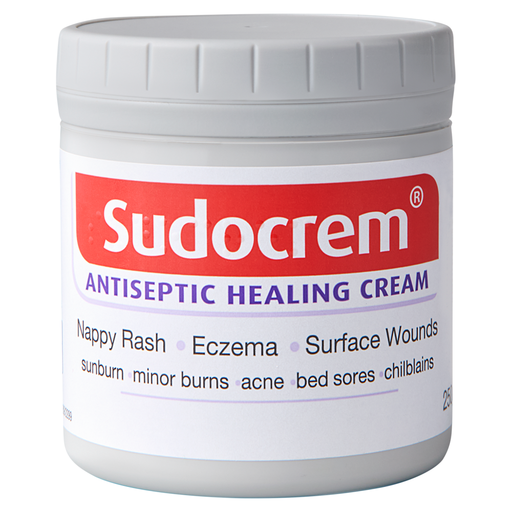
Why This Fits Their Persona: When dealing with an active, sore nappy rash, parents need a reliable treatment. This cream is a household name in the UK for its ability to soothe and heal irritated skin, making it a go-to for flare-ups.
This is a clear-cut treatment, not a preventative cream for daily use. It serves a specific purpose, helping parents understand when to use a simple barrier and when to use a healing formula.
The formula contains 15.25% Zinc Oxide to form a robust protective barrier, while its antiseptic properties help to soothe soreness and protect the skin. It is a multi-purpose family essential.
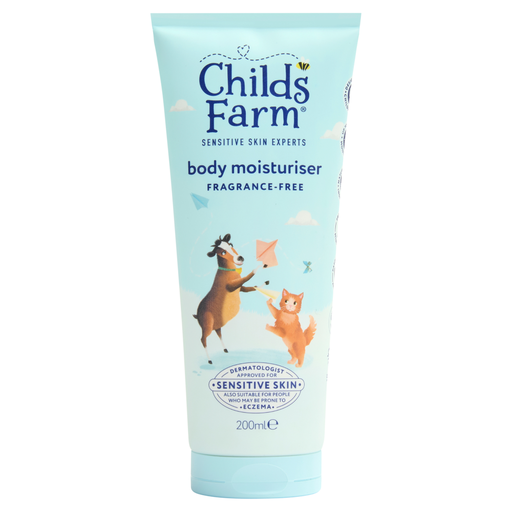
Why This Fits Their Persona: This user needs a daily moisturiser that provides intense hydration without any potential irritants. This product is specifically formulated for sensitive and eczema-prone skin, offering peace of mind.
It completely avoids the fragrance pitfall by being fragrance-free. It also sidesteps the "natural" myth by focusing on clinically proven mildness and gentle, nourishing ingredients like shea and cocoa butter.
According to the brand, it is clinically proven to be kind to sensitive and eczema-prone skin. The fast-absorbing, mineral oil-free formula provides hydration for up to 24 hours.
We have compiled a complete, real-time list of products that fully satisfy these strict selection criteria and UK safety regulations.
For babies with normal skin, moisturising once a day, typically after a bath, is usually sufficient to keep their skin hydrated. If your baby has dry, sensitive or eczema-prone skin, you may need to apply a gentle baby moisturiser two or more times a day, especially on affected areas.
Not necessarily. A higher price tag can sometimes reflect branding, packaging or the inclusion of exotic "natural" ingredients that offer little proven benefit. The most effective products are often those with simple, proven and gentle formulations. Focus on the ingredient list and suitability for your baby's skin type rather than the price.
For the first month, plain water is sufficient for bathing your newborn. After about four to six weeks, you can introduce a mild, pH-balanced and fragrance-free gentle baby wash. Always use a small amount and rinse thoroughly to avoid leaving residue on the skin.