
24/7 Customer Support

Free returns

Same-day & Next-day Delivery

Quality Guaranteed

Unlock Your Welcome Offers: FREE Delivery | Up to 80% OFF | Free 30-day JoyPlus trial
Download the APP
Navigating the world of baby skincare can feel overwhelming. Aisles are filled with products promising gentle, soothing care, but the marketing claims often create more confusion than clarity. As a parent in the UK, you want safe, effective products for your little one without wasting money on formulas that don't deliver. This guide will help you identify common shopping traps and focus on what truly matters for your baby's delicate skin.
Before you add anything to your basket, be aware of a few common marketing tactics that can lead to poor choices and irritated skin.
To make an informed choice, focus on these three non-negotiable parameters.
Look past the marketing on the front and turn the bottle over. A few key ingredients are known for their suitability in baby skincare:
Understanding the different product types is crucial for addressing specific concerns:
Not every product labelled for babies is suitable for a newborn. A baby's skin is at its most delicate in the first few months. Always check the packaging for phrases like "suitable from birth" or "0+ months" to ensure the product is appropriate for your child's age. Some formulas, particularly those with aromatic compounds, may be intended for babies aged 6 months and older.
Based on these practical criteria, here are a few products matched to specific parental needs.
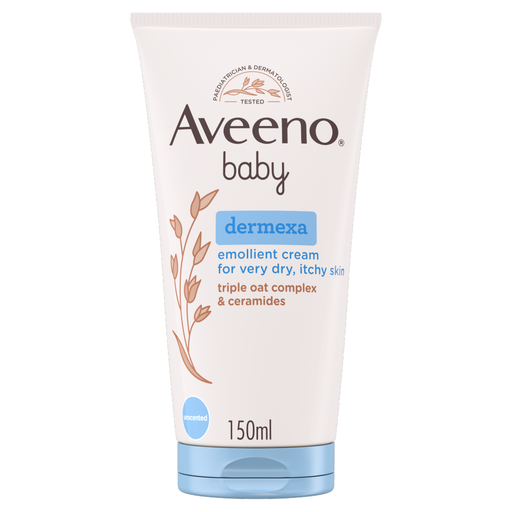
Why This Fits Their Persona: This cream is specifically designed for the challenges of very dry, itchy and irritation-prone skin. It is an ideal choice for UK parents managing newborn skin sensitivities or flare-ups.
It moves beyond the vague "hypoallergenic" claim by being unscented and formulated with a high concentration of prebiotic triple oat complex and ceramides to actively support the skin barrier.
Paediatrician and dermatologist tested, it is suitable from birth and provides targeted relief for the discomfort associated with very dry skin.
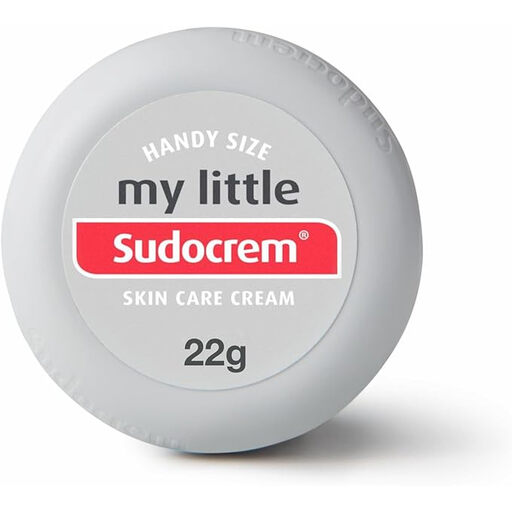
Why This Fits Their Persona: For busy parents in the UK, this compact pot is a changing-bag essential. It provides a trusted solution for soothing minor skin irritations and preventing nappy rash when out and about.
It avoids the "one-product-fits-all" myth by being a dedicated nappy rash cream. Its primary ingredient, zinc oxide, is for creating a protective barrier, not for all-over moisturising.
Its key advantage is its portability. The 22g pot offers a convenient, no-mess way to apply a proven barrier cream during nappy changes anywhere, from the park to the grandparents' house.
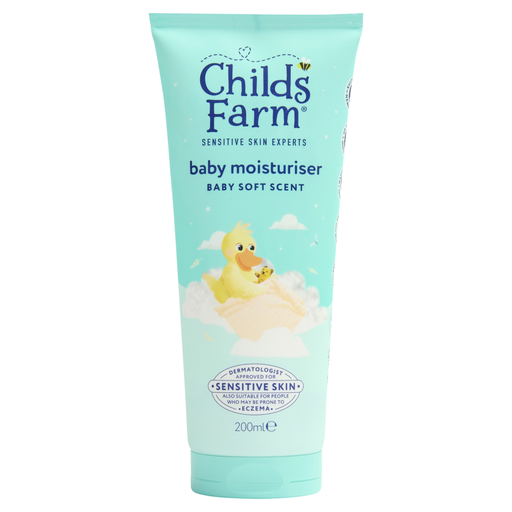
Why This Fits Their Persona: This is an excellent choice for a family's go-to daily moisturiser. It's gentle enough for newborns but effective for everyone, making it a practical and economical staple for the bathroom shelf.
It sidesteps the "natural" trap by being transparent about its formulation (98% natural origin ingredients) and backing its claims with dermatologist and paediatrician approval for sensitive and eczema-prone skin.
Its fast-absorbing, non-greasy formula provides up to 24-hour hydration, making it a pleasant and effective daily baby cream for sensitive skin.
We have compiled a complete, real-time list of products that fully satisfy these strict selection criteria and UK safety regulations.
For general maintenance, applying a gentle baby lotion once or twice a day is usually sufficient, with after bath time being an ideal moment to lock in moisture. If your baby has particularly dry skin, you can apply it more frequently as needed.
The main difference is the ratio of oil to water, which affects the texture and function:
While not all fragranced products will cause a reaction, fragrance is one of the most common culprits behind skin irritation and allergies in babies. For newborn skincare or if your child has known sensitivities, choosing a fragrance-free baby cream is always the safest and most recommended approach.