
24/7 Customer Support

Free returns

Same-day & Next-day Delivery

Quality Guaranteed

Unlock Your Welcome Offers: FREE Delivery | Up to 80% OFF | Free 30-day JoyPlus trial
Download the APP
As a Joybuy Product Recommendation Officer, I often speak with new and expectant parents across the UK. The goal is always the same: finding practical ways to help their little one (and themselves) get a more restful night. A quality baby sleep soother can be a fantastic addition to a nursery, but the market is filled with gadgets that promise the world and under-deliver.
Before you make a purchase, it's worth knowing the common pitfalls that lead to buyer's remorse. Many parents find their chosen device gathers dust after just a few weeks, often due to a few overlooked design flaws.
To avoid these issues, focus on a few core parameters that determine a device's real-world usefulness. Analysing these will help you find a reliable baby sleep aid that serves your family well.
The most practical and reliable option for long-term use is a pluggable white noise machine. These devices provide consistent power throughout the night, eliminating the worry of battery failure. When choosing a plug-in model, ensure it can be placed on a stable surface well out of your baby's reach, with the cord safely secured away from the cot. For parents who value flexibility for travel or moving between rooms, a model with a rechargeable battery and a stable charging base offers a good compromise.
A versatile soother should adapt to your baby's changing needs. Look for a device with a wide library of high-quality sounds, including white noise, pink noise, nature sounds (like rain or heartbeats) and gentle lullabies.
Equally important is the lighting. A soother with adjustable brightness and multiple colour options allows you to find the perfect hue. Warmer colours like red and orange are generally considered less disruptive to sleep. An app controlled night light is particularly useful, as it allows you to make adjustments from your phone without having to enter the nursery and risk waking your baby.
Babies grow quickly, and their sleep needs evolve. A basic soother may become redundant after the newborn phase. To get more value from your purchase, consider a device with features that will be useful for years to come. A built-in sleep trainer for toddlers is an excellent example. These use light and sound cues to help older children learn when it's time to stay in bed and when it's okay to get up, a feature you'll be grateful for down the line.
Based on these practical criteria, here are a couple of options tailored to different parenting needs.
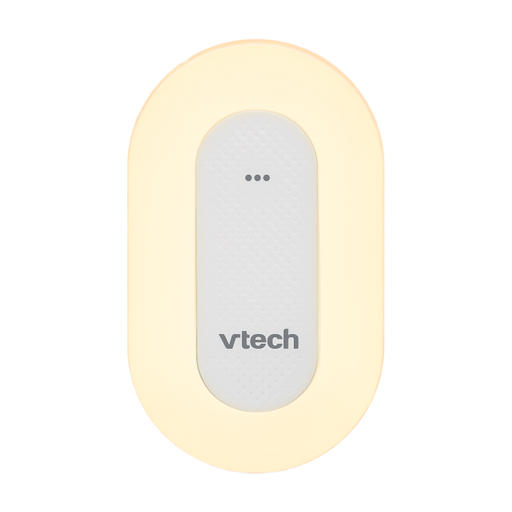
Why This Fits Their Persona: This user wants a single, smart device to manage their baby's sleep environment. They value the convenience of app control for scheduling routines and making remote adjustments to sound and light without disturbing their child.
It plugs directly into a wall socket, eliminating battery failures. With 40 pre-loaded audio tracks and over 250 light colours controlled via the app, it sidesteps the "limited options" and "one-colour-fits-all" pitfalls entirely.
The inclusion of a smart sleep training function provides long-term value, helping transition to toddler sleep routines. The ability to record your own voice offers a unique, personal way to soothe your baby.
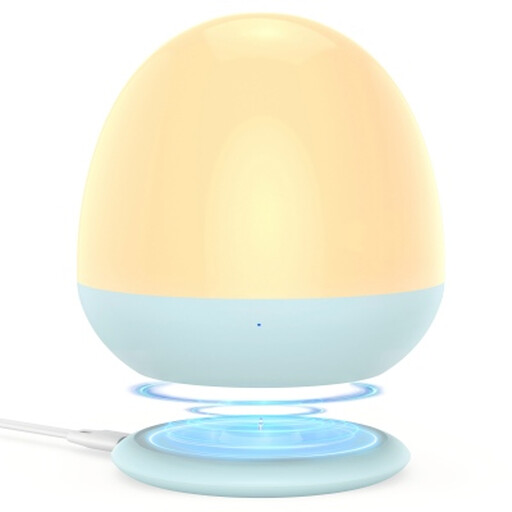
Why This Fits Their Persona: This parent needs a simple, reliable light for night feeds and nappy changes. They prefer intuitive, tactile controls over complex apps and want a portable device that can be moved easily without fumbling with wires in the dark.
Its touch controls allow for easy dimming, avoiding the "too bright" night light issue. The stable charging pad provides a reliable power source and once charged, the lamp is fully portable, solving the "battery failure" problem for short-term use.
The combination of a stable, wireless charging pad and a portable, egg-shaped lamp is its main strength. It's safe for little hands, easy to operate in low light and the timer function is a practical energy-saving feature.
We have compiled a complete, real-time list of products that fully satisfy these strict selection criteria and UK safety regulations.
Safety is paramount. Always place any sleep soother, especially a plug-in model, well out of your baby's reach. A sturdy shelf or dresser across the room is ideal. Ensure any cords are tucked away and cannot be pulled into the cot. The device should never be placed inside the cot with the baby.
Many sleep consultants recommend running white noise continuously through the night. This helps mask disruptive household sounds and prevents the baby from waking during natural transitions between sleep cycles. If you prefer not to leave it on all night, use the timer function to have it switch off after your baby has fallen into a deep sleep, typically after an hour or so.
Warmer light tones are generally better for sleep. Lights in the red, orange or amber part of the spectrum are less likely to suppress melatonin production compared to cool white or blue lights. A device that offers a range of colours allows you to select a warm, dim glow that creates a soothing atmosphere without interfering with your baby's circadian rhythm.