
24/7 Customer Support

Free returns

Same-day & Next-day Delivery

Quality Guaranteed

Unlock Your Welcome Offers: FREE Delivery | Up to 80% OFF | Free 30-day JoyPlus trial
Download the APP
Bringing a new baby home comes with a long list of questions, and ensuring they sleep safely and soundly is often at the very top. As parents in the UK, we are well-versed in the guidance to avoid loose blankets in the cot to reduce the risk of SIDS. This is where the baby sleeping bag, also known as a wearable blanket or baby sleepsack, becomes an essential item for peace of mind.
A baby sleeping bag is a wearable blanket designed to keep your baby at a comfortable temperature throughout the night without the safety concerns associated with traditional bedding. However, with so many options available—from different materials to various TOG ratings—choosing the right one can feel overwhelming. This guide is designed to help you understand the key features to look for, ensuring you can make a confident choice for your little one's comfort and safety.
Navigating the world of baby sleep products is simpler when you know what to look for. Here are a few practical points to consider before making a purchase.
The most crucial feature of a baby sleeping bag is its TOG (Thermal Overall Grade) rating. This is a standardised measure of how much thermal insulation the fabric provides. The higher the TOG rating, the warmer the sleeping bag. Choosing the correct TOG is vital for preventing your baby from getting too hot or too cold.
Always check your room temperature and follow the manufacturer's guidance on what your baby should wear underneath the sleeping bag.
A baby's skin is delicate, so the material of their sleeping bag is important. A cotton baby sleeping bag is often a popular choice as it is naturally soft, breathable and gentle on sensitive skin. Organic cotton offers an extra layer of assurance that the fabric is free from harsh chemicals.
Equally important is the fit. The sleeping bag should be snug around the neck and armholes to ensure your baby cannot slip down inside it, but roomy enough around the hips and legs to allow for natural movement and healthy hip development. Always check the weight and height recommendations for the specific size.
A newborn sleeping bag often comes with features like built-in swaddles to help soothe the Moro (startle) reflex. As your baby grows and begins to show signs of rolling, you will need to move to a sleeveless design or a dedicated swaddle transition bag that allows their arms to be free. Features like two-way or inverted zips are also incredibly practical for making night-time nappy changes quicker and less disruptive.
Here are a few standout options that address the key needs of UK parents, from the newborn stage to active infancy.

Why It Stands Out: This product combines the security of a swaddle with the safety of a sleeping bag. Its unique 3-way adjustable design accommodates different sleep preferences—arms in, hands-to-face or arms out—making it a versatile choice for the first few months.
Pros:
Who is it for? Parents of newborns (0-3 months) looking for a flexible swaddling solution that supports a smooth transition to a sleeveless sleeping bag.

Why It Stands Out: As the next step after swaddling, this wearable blanket uk provides a safe, sleeveless design that keeps babies comfortable without restricting their arms. The 0.5 TOG rating makes it ideal for warmer nurseries or for layering during milder nights.
Pros:
Who is it for? Babies who are transitioning out of a swaddle (0-6 months) or for use in warmer environments where a higher TOG would be too warm.
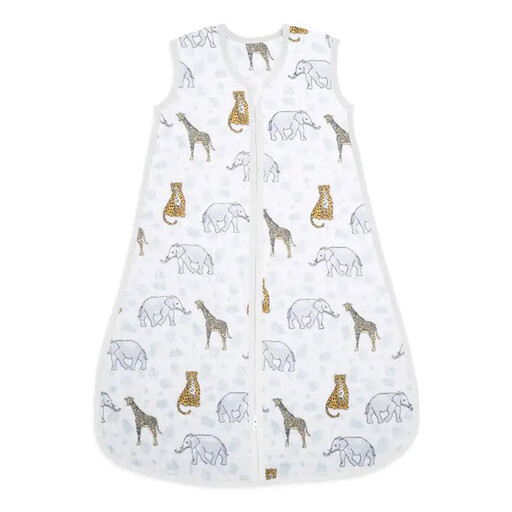
Why It Stands Out: This sleeping bag is crafted from a single layer of GOTS-certified organic cotton muslin, known for its exceptional softness and breathability. The open-weave fabric helps regulate temperature, making it a comfortable and safe choice for standard room temperatures.
Pros:
Who is it for? Parents seeking a high-quality, breathable and natural fabric option for babies from 0-6 months, particularly for use in rooms with moderate temperatures.
Every baby is different, and so are their sleep needs. If you are looking for different TOG ratings, materials or designs, there are many other choices available.
For a wider selection, we invite you to explore our full range of swaddle and sleeping bags to find the perfect fit for your family.
1. What should my baby wear under a sleeping bag? This depends on the TOG of the bag and the temperature of the room. As a general guide for a 1.0 TOG sleeping bag in a 20-24°C room, a long-sleeved cotton bodysuit or pyjamas would be appropriate. For a 2.5 TOG bag in a cooler 16-20°C room, you might use a long-sleeved bodysuit and sleepsuit. Always check the manufacturer's specific recommendations.
2. Are baby sleeping bags safe for newborns? Yes, a newborn sleeping bag is considered a safe sleep option from birth, provided it is the correct size. The neck opening should be snug enough that your baby's head cannot slip through, and there should be no risk of the fabric covering their face. Always follow the weight and height guidelines.
3. How do I know if my baby is at a comfortable temperature? The best way to check is to feel the back of their neck or their chest. If it feels sweaty, they may be too hot. If it feels cool, they may be too cold. It is normal for their hands and feet to feel cooler than the rest of their body. Never use a duvet or additional blankets with a baby sleeping bag, as this can lead to overheating.