
24/7 Customer Support

Free returns

Same-day & Next-day Delivery

Quality Guaranteed

Unlock Your Welcome Offers: FREE Delivery | Up to 80% OFF | Free 30-day JoyPlus trial
Download the APP
As a new parent, ensuring your baby sleeps safely and comfortably is a top priority. Navigating the world of baby sleep products can be overwhelming, especially with the constant stream of advice and options. Many parents in the UK are moving away from traditional loose blankets due to safety guidelines, turning instead to the modern baby sleeping bag.
A wearable blanket offers a simple solution, providing warmth without the risk of it covering your baby's face or being kicked off in the night. But with so many choices available, how do you select the right one? This guide is designed to help you understand the key features to look for, from TOG ratings to materials, so you can make a confident choice for your little one.
Making an informed decision comes down to a few key factors. Focusing on safety, comfort and practicality will help you find a baby sleep sack that works for both you and your baby.
The term TOG stands for Thermal Overall Grade and it indicates how much warmth a sleeping bag provides. It is not related to the thickness of the fabric but rather its ability to retain heat. Choosing the correct TOG for your nursery's ambient temperature is crucial for preventing your baby from becoming too hot or too cold.
Always check the temperature of the room your baby sleeps in and refer to the manufacturer's guidelines.
A safe sleep bag for babies must fit correctly. A sleeping bag that is too large could allow your baby to slip down inside, posing a suffocation risk. Conversely, one that is too small will be restrictive and uncomfortable.
Check that the neck and armholes are snug but not tight. You should be able to fit two fingers comfortably between the sleeping bag and your baby's chest. Most brands size their products by age (e.g., 0-6 months sleeping bag) and provide corresponding weight or height guides. Never use a sleeping bag if your baby's head can pass through the neck hole when it is fastened.
The material of a sleeping bag directly impacts your baby's comfort. Natural, breathable fabrics are often recommended.
In the UK, look for sleeping bags that conform to the British safety standard BS EN 16781:2018, which ensures they meet specific safety requirements for design, construction and materials.
Here are a few options that stand out for their design, materials and practical features.
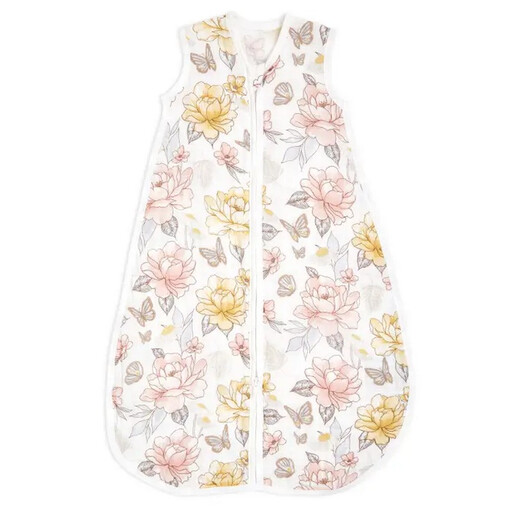
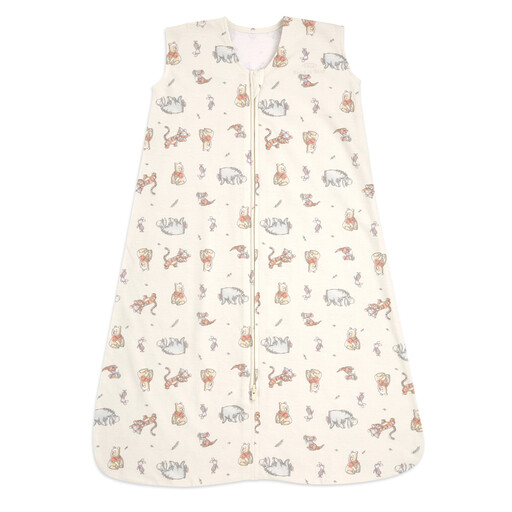
Every baby and home is different, and the right sleeping bag is a personal choice. If you haven't found the perfect fit here or wish to explore different materials, TOG ratings and designs, you can browse our full collection of baby sleeping bags.
Explore the full range of baby sleeping bags at Joybuy →
1. What should my baby wear under a sleeping bag? This depends on the TOG of the bag and the room temperature. For a 1.0 TOG bag in a 20-24°C room, a cotton long-sleeved sleepsuit is usually sufficient. For a 0.5 TOG bag in a warmer room (24-27°C), a short-sleeved vest or just a nappy might be all that's needed. Always check your baby's temperature by feeling their chest or the back of their neck to ensure they are not too hot or cold.
2. Are baby sleeping bags safer than blankets? Baby sleeping bags are widely considered a safer alternative to loose bedding. They are designed to stay in place, which prevents them from accidentally covering a baby's face and reduces the risk of suffocation. They also keep your baby at a more consistent temperature, as they cannot be kicked off during the night.
3. How many sleeping bags do I need? It is practical to have at least two sleeping bags for your baby. This ensures you always have a clean, dry one ready while the other is in the wash. Given how frequently babies have leaks or spit-ups, having a spare on hand is essential for a smooth bedtime routine.