
24/7 Customer Support

Free returns

Same-day & Next-day Delivery

Quality Guaranteed

Unlock Your Welcome Offers: FREE Delivery | Up to 80% OFF | Free 30-day JoyPlus trial
Download the APP
As a new or expectant parent, ensuring your baby sleeps safely and comfortably is a top priority. A baby sleeping bag, often called a wearable blanket UK parents trust, is a popular alternative to traditional loose bedding. However, the market is filled with options, and it's easy to fall into common purchasing traps. This guide will help you navigate the key features to look for and avoid the pitfalls that lead to wasted money and unsuitable products.
Navigating the world of baby products can be overwhelming. Many parents find themselves with items that are either unsafe or impractical. Here are three frequent mistakes to avoid:
To ensure you are selecting a product that is safe, comfortable and practical, focus on these non-negotiable parameters.
The TOG rating measures thermal insulation. It is not about the thickness of the fabric but how well it retains warmth. For UK homes, which are typically heated to 18-20°C, a lower TOG is often sufficient.
The material is just as important. Fabrics like 100% cotton are highly breathable, helping to regulate your baby's temperature and reduce the risk of overheating. They are also soft on delicate skin.
When it comes to safe sleep for babies, the design of a wearable blanket is paramount.
We have filtered through the options to match specific products with common parenting needs.

Why This Fits Their Persona: For new parents prioritising safety above all, this wearable blanket is a reassuring choice. According to the brand, it is a choice for over 1,700 US hospitals, and its design is focused entirely on promoting safe sleep practices for a newborn sleeping bag.
It directly addresses the fit and safety pitfalls. The roomy sack is recognised by the International Hip Dysplasia Institute, and the "Back is Best" embroidery is a constant safety reminder.
Made from 100% cotton with a 0.5 TOG rating, it's ideal for temperature regulation in modern UK homes. The inverted zip simplifies nappy changes.
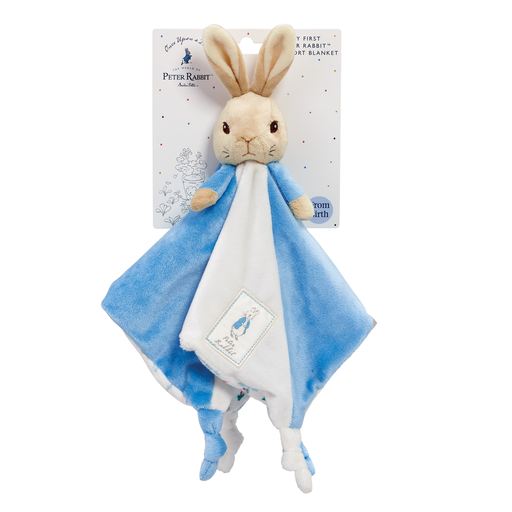
Why This Fits Their Persona: For friends or family seeking a thoughtful baby shower gift, this baby comforter combines timeless charm with sensory features. It is not a sleeping bag, but a soothing object for supervised comfort and play.
This choice acknowledges the desire for character-led products while being clear about its use case. It is for comfort and sensory play, not for unattended sleep, thus avoiding confusion with safe sleep products.
Made from premium, super-soft plush with knotted corners and embroidered details, it encourages tactile exploration. Its classic design makes it a beautiful piece of nursery bedding decor.

Why This Fits Their Persona: As babies grow into active toddlers, their sleep needs change. This larger-sized sleeping bag provides the same safety benefits for older children, ensuring they stay warm and covered even when they move around the cot at night.
This product avoids the "one-size" trap by offering a size specifically for toddlers up to 36 months. It maintains the crucial hip-healthy, roomy design needed for this active age group.
It provides a consistent and safe sleep routine from infancy into the toddler years. The Winnie the Pooh design adds a touch of familiar character comfort without compromising on safety standards.
We have compiled a complete, real-time list of products that fully satisfy these strict selection criteria and UK safety regulations.
For a 0.5 TOG bag in a room at 24-27°C, a short-sleeved bodysuit or just a nappy is usually sufficient. The goal is to prevent overheating. Always check your baby's temperature by feeling their chest or the back of their neck; their hands and feet will often feel cooler, which is normal.
Most babies can use a sleeping bag from birth, provided it is the correct size and weight for them. Always check the manufacturer's minimum weight and height recommendations. The neck and armholes must be snug enough that the baby's head cannot slip down inside the bag.
According to safe sleep guidelines, items like soft toys, pillows and comforters should not be left in a cot with an unattended baby under 12 months old. A baby comforter is a wonderful tool for soothing and sensory play during supervised awake time or cuddles, but it should be removed from the cot once the baby is put down to sleep.