
24/7 Customer Support

Free returns

Same-day & Next-day Delivery

Quality Guaranteed

Unlock Your Welcome Offers: FREE Delivery | Up to 80% OFF | Free 30-day JoyPlus trial
Download the APP
As a new parent, ensuring your baby sleeps safely and comfortably is a top priority. Navigating the world of baby sleep products can be overwhelming, especially with conflicting advice about blankets, swaddles and room temperature. A well-chosen baby sleeping bag can offer peace of mind, providing a safer alternative to loose bedding while keeping your little one snug all night.
This guide is designed to cut through the clutter. We will walk you through the key considerations for selecting a wearable blanket for your baby, from understanding TOG ratings to choosing the right style for their age. We will also share some of our top recommendations to help you make a confident choice for your family.
Before looking at specific products, it is helpful to understand the features that matter most. Here are a few practical points to consider during your search for safe sleep products.
One of the most common questions from parents is, "what TOG rating for baby is appropriate?". TOG stands for Thermal Overall Grade, and it measures how much heat a fabric retains. A lower TOG is for warmer rooms, while a higher TOG is for cooler environments.
Always check your baby’s neck or back to ensure they are not too hot or cold, and adjust their clothing underneath the sleeping bag accordingly.
The terms newborn swaddle and sleepsack are often used interchangeably, but they serve different developmental stages.
A baby’s skin is delicate, so the fabric of their sleeping bag is important. Materials like an organic cotton baby sleeping bag or a bamboo blend are excellent choices. They are naturally breathable, soft and help regulate body temperature, reducing the risk of overheating. These materials are also typically free from harsh chemicals, making them ideal for sensitive skin.
Here are a few standout options that address different needs, from the newborn stage to more independent sleepers.

Why It Stands Out: The HALO SleepSack Swaddle is a highly adaptable solution for the newborn phase. Its unique 3-way design allows you to swaddle with arms in, hands-to-face or one or both arms out, making it perfect for transitioning your baby away from swaddling when the time is right.
Pros:
Who is it for? New parents looking for a versatile newborn swaddle that supports safe sleep practices and can adapt as their baby grows from 0-3 months.

Why It Stands Out: This sleeping bag is crafted from GOTS-certified organic cotton muslin, known for its exceptional softness and breathability. The 1.0 TOG rating makes it a go-to choice for year-round use in most UK homes, ensuring your baby stays comfortable without overheating.
Pros:
Who is it for? Parents seeking a high-quality, organic cotton baby sleeping bag for babies aged 0-6 months, particularly for use in rooms with standard temperatures.
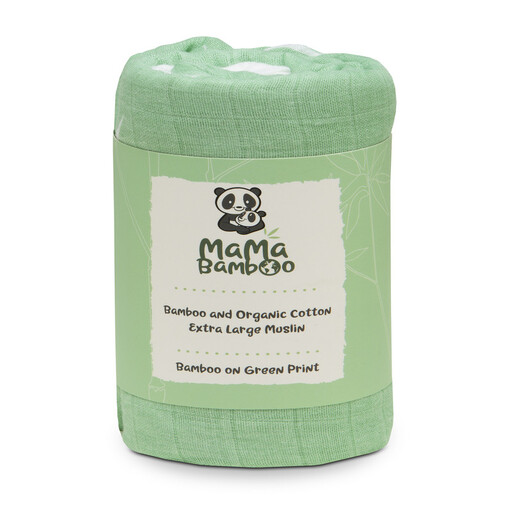
Why It Stands Out: More than just a swaddle, this large muslin square from Mama Bamboo is a true multi-tasker. Made from a silky-soft and sustainable blend of bamboo and organic cotton, its generous size makes it useful as a swaddle, a lightweight pram cover, a burp cloth or a nursing cover.
Pros:
Who is it for? Eco-conscious parents who value versatile, multi-use products that can serve many purposes beyond just swaddling in the early months.
Every baby is different, and so are their sleep needs. If you are looking for a different size, material or TOG rating, there are many other excellent choices available.
Explore our complete collection of baby swaddles and sleeping bags to find the perfect fit for your little one.Shop All Baby Swaddle Bags
1. Are baby sleeping bags safer than blankets? Yes, when used correctly, baby sleeping bags are considered a safer alternative to loose blankets. They are designed to prevent the fabric from covering a baby's face, which reduces the risk of suffocation. They also ensure the baby stays at a consistent temperature throughout the night without kicking off their covers.
2. When should I stop swaddling my baby? You should stop swaddling as soon as your baby shows signs of attempting to roll over, which can happen anywhere from 2 to 4 months of age. At this point, it is safer to transition them to a sleepsack where their arms are free, allowing them to reposition themselves if they roll onto their stomach.