
24/7 Customer Support

Free returns

Same-day & Next-day Delivery

Quality Guaranteed

Unlock Your Welcome Offers: FREE Delivery | Up to 80% OFF | Free 30-day JoyPlus trial
Download the APP
As a new parent, ensuring your baby is safe, comfortable and sleeping soundly is a top priority. The nightly worry about loose blankets in the cot is a common concern. A baby sleeping bag, also known as a wearable blanket or baby sleep sack, offers a practical and secure alternative, helping to maintain a consistent temperature and removing the risks associated with traditional bedding.
Navigating the options can feel overwhelming. From TOG ratings to materials and safety features, there is a lot to consider. This guide is designed to help you understand the key features of a baby sleeping bag, making it easier to choose the right one for your little one's needs.
Before exploring specific products, let's cover a few essential points. Focusing on these will help you narrow down your choices and find a safe and comfortable option for your baby.
The TOG (Thermal Overall Grade) rating indicates how much warmth a sleeping bag provides. It is not related to the thickness of the fabric but rather its ability to retain heat. Choosing the correct TOG for your nursery's temperature is crucial for your baby's comfort and safety.
A simple guide for UK homes:
Always check your baby's temperature by feeling their chest or the back of their neck to ensure they are not too hot or too cold.
The material of a sleeping bag directly impacts breathability and comfort. A cotton baby sleeping bag is a widely recommended choice as it is naturally soft, breathable and gentle on a baby's delicate skin. Organic cotton and muslin are excellent variations, known for their lightweight feel and ability to help regulate body temperature, preventing overheating.
A safe sleep bag is designed with your baby's well-being in mind. Look for a snug fit around the neck and armholes to ensure your baby cannot slip down inside the bag. Many modern designs also feature an inverted zipper, which makes nighttime nappy changes much simpler without having to fully undress your baby. For younger infants, a newborn swaddle bag can provide the comforting, snug feeling they are used to, while designs recognised as 'hip-healthy' by organisations like the International Hip Dysplasia Institute allow for natural leg movement.
Here are a few carefully selected options that cater to different needs for babies aged 0-6 months, focusing on safety, material and practical design.
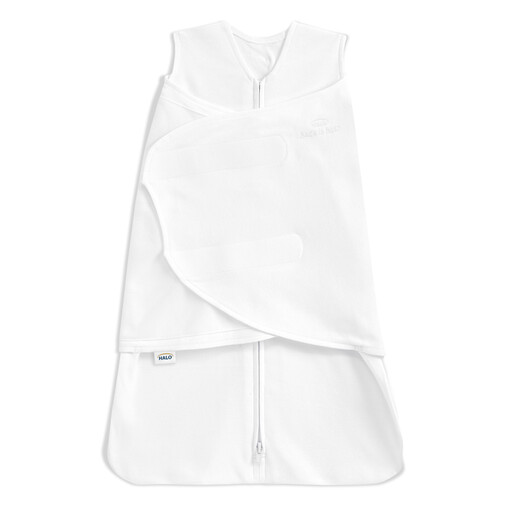
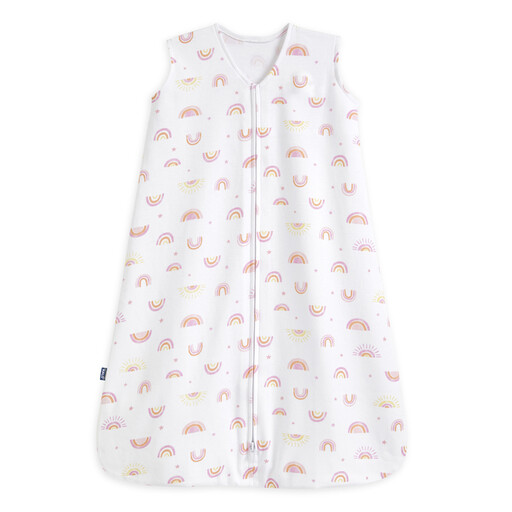
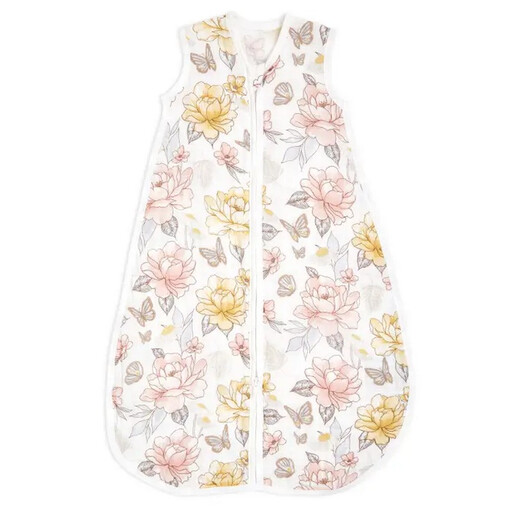
If these recommendations aren't quite what you're looking for, or if you need a different size or TOG rating, there are many other styles available.
? Explore our full collection of lightweight baby sleeping bags to find the perfect fit for your little one.
Baby sleeping bags are generally considered a safer alternative to loose blankets. They are designed to prevent the fabric from accidentally covering a baby's face, which is a risk factor for SIDS (Sudden Infant Death Syndrome). They also help maintain a stable body temperature and prevent babies from kicking off their covers and becoming cold.
This depends on the TOG of the bag and the temperature of the room. As a general rule:
Most babies can use a sleeping bag from birth, provided they meet the minimum weight requirement specified by the manufacturer (often around 4kg or 8.8lbs). It is vital to ensure the sleeping bag is the correct size, with a neck opening that is not too large, to prevent your baby from slipping inside.