
24/7 Customer Support

Free returns

Same-day & Next-day Delivery

Quality Guaranteed
Download the APP
Categories
As a parent or caregiver, ensuring your little one is safe, comfortable and sleeping soundly is a top priority. The nightly worry about loose blankets in the cot, or a baby waking up cold after kicking their covers off, is a common concern. A baby sleeping bag, often called a wearable blanket, offers a practical solution, providing consistent warmth and security without the risks associated with traditional bedding.
Navigating the options can be confusing, with various materials, warmth ratings and designs available. This guide is designed to help you understand the key features to look for, making it easier to choose a safe and comfortable sleeping bag for your infant or toddler.
Before exploring specific products, it's helpful to understand the core features that determine a sleeping bag's suitability. Focusing on these three areas will help you make an informed decision.
The TOG (Thermal Overall Grade) rating is a standard measure of how much warmth a duvet or sleeping bag provides. It is not about the thickness of the material, but its ability to trap air. Choosing the correct TOG is essential for preventing your baby from overheating or getting too cold.
Always check your room temperature and follow the manufacturer's guidance on what your baby should wear underneath the sleeping bag.
A baby's skin is delicate, so the material of their sleeping bag is important. Breathable, natural fabrics are often preferred to help regulate body temperature and reduce the risk of irritation.
A safe sleep sack is one that fits correctly and has practical design features. When checking the fit, ensure the neck opening is snug enough that your baby's head cannot slip inside, but not so tight that it causes discomfort. The armholes should also be a secure fit.
Look for features like bottom-opening or two-way zippers, which make nighttime nappy changes much simpler without having to fully undress your baby. Additionally, a roomy bottom half allows your baby to adopt a natural "frog-leg" position, which is important for healthy hip development.
Here are a few carefully selected baby sleeping bags that stand out for their materials, design and practical features.
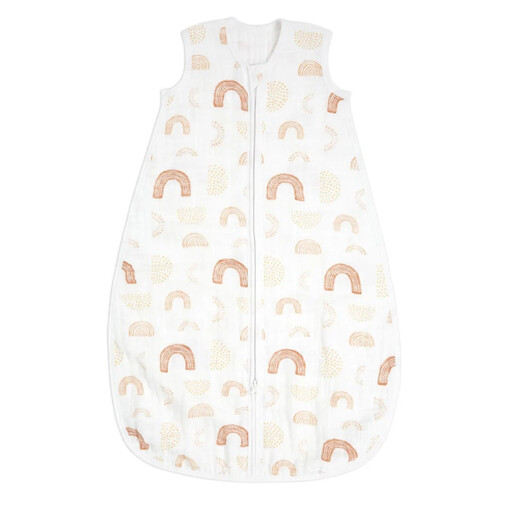
Why It Stands Out: This sleeping bag is crafted from a single layer of 100% cotton muslin, known for its exceptional breathability and softness. The 1.0 TOG rating makes it a perfect wearable blanket for baby during warmer months or in well-heated nurseries. Its design focuses on both comfort and practicality, with a bottom zipper for fuss-free nappy changes.
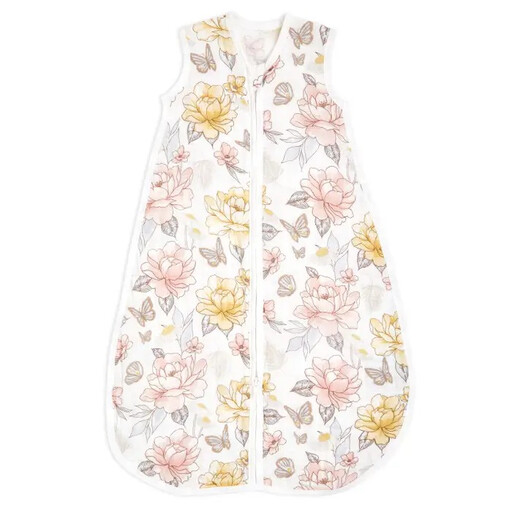
Why It Stands Out: Designed for older children, this toddler sleeping bag uses GOTS-certified organic cotton muslin, offering a soft and eco-conscious sleep solution. It maintains the brand's signature breathability with a 1.0 TOG rating and includes a convenient inverted zipper. This product conforms to British safety standard BS EN 16781:2018.
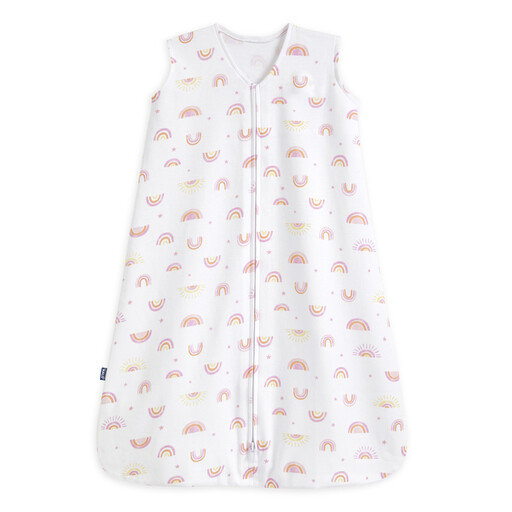
Why It Stands Out: The HALO SleepSack is a product with a strong focus on safe sleep practices. According to HALO, it is a choice for many hospitals in the US. Its sleeveless design prevents overheating, while the signature "Back is Best" embroidery serves as a gentle reminder for caregivers. The roomy sack design is recognised by the International Hip Dysplasia Institute as promoting healthy hip development.
If these selections aren't quite what you're looking for, or if you need a different size, TOG rating or style, there are many other choices available.
Explore our full collection of Baby Clothing to find the perfect fit for your little one.
1. What should a baby wear under a sleeping bag? This depends on the TOG rating of the bag and your room's temperature. For a 1.0 TOG sleeping bag in a room around 21-23°C, a short-sleeved or long-sleeved bodysuit is usually sufficient. For a 2.5 TOG bag in a cooler room (16-20°C), a long-sleeved bodysuit and sleepsuit would be appropriate. Always check the manufacturer's guide and feel the back of your baby's neck to ensure they are not too hot or cold.
2. Are baby sleeping bags a safe option? Yes, when used correctly, they are widely considered a safer alternative to loose blankets, which can pose a suffocation risk. To ensure safety, choose a sleeping bag that fits well around the neck and armholes so your baby cannot slip inside. Always place your baby on their back to sleep and keep the cot free of other items like pillows, bumpers or toys.
3. When can a baby start using a sleeping bag? Babies can use sleeping bags from birth, as long as they meet the minimum weight and height requirements for the smallest size available. It is crucial that the sleeping bag fits properly, especially around the neck, to prevent the baby's head from being covered. Some brands offer specific newborn sizes, while others, like the ones featured here, are designed for infants from around 6 months onwards.