
24/7 Customer Support

Free returns

Same-day & Next-day Delivery

Quality Guaranteed

Unlock Your Welcome Offers: FREE Delivery | Up to 80% OFF | Free 30-day JoyPlus trial
Download the APP
Navigating the world of baby products can feel overwhelming, especially when it comes to ensuring your little one has a safe and comfortable night's sleep. Baby sleeping bags are a popular alternative to traditional blankets, but the market is filled with options that can be confusing. As a new or expectant parent, you want to make the right choice without falling into common purchasing traps.
This guide is designed to help you understand the key features to look for, avoid the pitfalls of clever marketing and find a sleep solution that works for your family's needs.
Before you add anything to your basket, be aware of these frequent mistakes that can lead to wasted money and, more importantly, an uncomfortable or unsafe baby.
swaddle transition bag can disrupt sleep patterns just as your baby is learning to self-soothe.To make an informed choice, focus on these core parameters. They are the foundation of safe sleep for babies and will ensure you get a product that is both practical and reliable.
The TOG rating is a standardised measure of how much thermal insulation a garment provides. It is not about the thickness of the fabric but its ability to retain warmth. For UK homes, this is your guide:
Always check the temperature of the room your baby sleeps in and dress them in appropriate layers underneath the sleeping bag.
A cotton baby sleeping bag is often the preferred choice for good reason. Natural fibres like cotton, particularly in the form of muslin swaddles, are known for their breathability. This allows air to circulate, helping to regulate your baby's body temperature and reduce the risk of overheating.
Look for key design features that prioritise safety and convenience:
Instead of a single "best" option, the right choice depends on your baby's age, sleep style and your family's needs. Here are a few recommendations matched to different parent profiles.
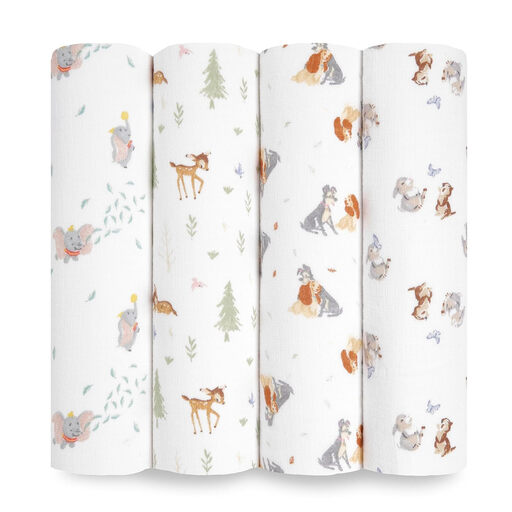
Why This Fits Their Persona: For new parents in the UK, practicality is key. This 4-pack of large muslin squares goes far beyond just swaddling. They serve as burp cloths, nursing covers, pram shades and tummy time blankets, offering excellent value for money.
It sidesteps the "one-size-fits-all" trap by being inherently multi-functional. Even when your baby outgrows swaddling, these remain useful daily essentials. The 100% cotton muslin is a classic breathable material, avoiding the overheating pitfall.
The generous 112cm x 112cm size makes swaddling easier and extends the product's lifespan for other uses. Being machine washable and getting softer with each wash adds to its practicality.
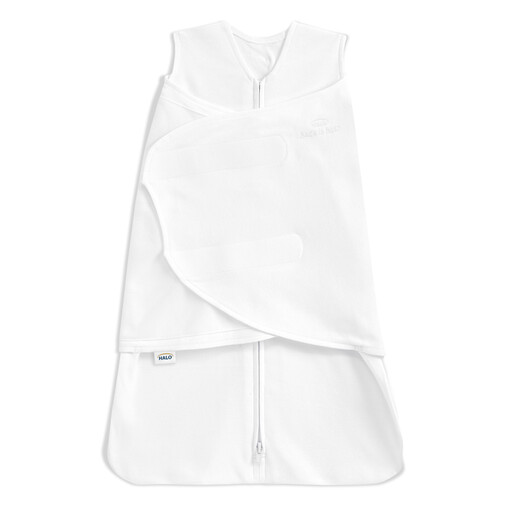
Why This Fits Their Persona: This parent is concerned about the moment their baby starts trying to roll, a critical point for sleep safety. They need a structured solution that adapts to their baby's development.
Its 3-way adjustable design directly solves the "wrong style" pitfall. It functions as a traditional swaddle (arms-in) and a swaddle transition bag (arms-out), providing a safe path as your baby grows. The 1.5 TOG is also clearly stated for appropriate temperature use.
The adjustable design and hip-healthy recognition provide peace of mind. The inverted zipper for nappy changes and the "Back is Best" embroidery are practical features that reinforce safe sleep habits.
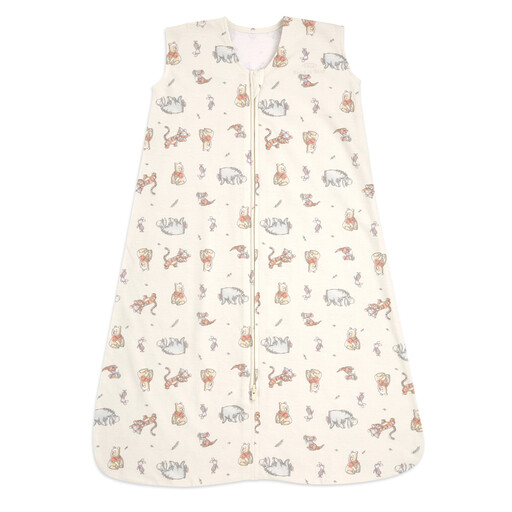
Why This Fits Their Persona: This parent's baby is past the swaddling stage and is likely moving around more in their cot. Their priority is a safe, wearable blanket that keeps their child warm without the risks of loose bedding.
This product is specifically sized for 6-18 months, avoiding the danger of using an incorrectly sized bag. The sleeveless design is a key feature that prevents overheating, directly addressing a major safety concern for active babies.
Its primary advantage is its simplicity and focus on safety. The roomy sack promotes healthy hip development for mobile babies, and the inverted zipper maintains its practicality for nappy changes.
We have compiled a complete, real-time list of products that fully satisfy these strict selection criteria and UK safety regulations.
1. When should I stop swaddling my baby? You should stop swaddling as soon as your baby shows signs of being able to roll over, which can happen from around 2-4 months. At this point, their arms need to be free so they can push themselves up if they roll onto their front. This is the perfect time to move to a swaddle transition bag or a sleeveless baby sleep sack.
2. What should my baby wear under a sleeping bag? This depends on the TOG of the bag and the temperature of the room. As a general guide for a 1.0 TOG sleeping bag in a room at 21°C, a short-sleeved or long-sleeved cotton bodysuit is usually sufficient. Always check your baby's temperature by feeling their chest or the back of their neck; their hands and feet will often feel cooler, which is normal.
3. How many baby sleeping bags do I need? It is practical to have at least two or three sleeping bags for each size/TOG stage. This ensures you always have a clean, dry one ready in case of nappy leaks or spit-up, without having to do an emergency wash in the middle of the night.