
24/7 Customer Support

Free returns

Same-day & Next-day Delivery

Quality Guaranteed

Unlock Your Welcome Offers: FREE Delivery | Up to 80% OFF | Free 30-day JoyPlus trial
Download the APP
Choosing baby snacks can feel straightforward until you compare age labels, textures, ingredients and portion sizes. A colourful packet may look convenient, but it does not necessarily suit a baby who is just beginning self-feeding. For UK families, the right choice depends on your child’s stage of development, dietary needs and where the snack will be eaten.
This guide highlights common shopping traps, the product details worth checking and a selection of options for different household routines.
Some baby finger foods are designed to soften or dissolve more easily than firm biscuits. However, texture alone does not remove choking risk. Babies should be seated upright and watched closely while eating. Always follow the pack instructions and consider whether your child is ready for the stated texture.
A product marked 6+ months may suit a baby who is already managing appropriate solid foods, while another option labelled 7+ months or 12+ months may have a firmer or more substantial texture.
Fruit purée, fruit powder and juice concentrate can all contribute to the sugars listed in the nutrition panel. A strawberry wafer, apple bake or baby biscotti may contain no artificial colours or flavours while still being a sweet snack.
Check the per-serving information, not only the front-of-pack wording. This helps you compare portion sizes and avoid giving multiple individually wrapped snacks simply because each packet looks small.
“Gluten-free” and “dairy-free” are not interchangeable terms, and a product that suits one dietary requirement may not suit another. Read the current label every time, particularly when buying for a child with an allergy or intolerance. Check for cereals containing gluten, milk, egg, soya, nuts and any “may contain” warnings.
Packaging, recipes and availability can change, so the product information on the packet should take priority over older descriptions.
Start with the manufacturer’s stated age range:
Age guidance is not a replacement for judging your child’s readiness. Avoid giving food while your child is walking, lying down or distracted.
For families seeking gluten-free baby snacks, verify the ingredient list and any certification or allergy statement rather than relying on a marketing phrase. Kiddylicious Banana Wafers, for example, are described as free from gluten, milk and eggs, but the specific pack should still be checked before serving.
Products containing wheat or oats may be unsuitable for some children. The Kiddylicious Apple Soft Biscotti includes wheat and states that it may contain egg, almond, hazelnut, mustard and soya. This is important information when selecting organic toddler snacks or any other product for a child with dietary restrictions.
Individually wrapped portions can be useful for changing bags, nursery boxes and family days out. They also make it easier to see how much has been offered. However, packaging does not automatically make a snack nutritionally suitable for frequent use.
Compare:
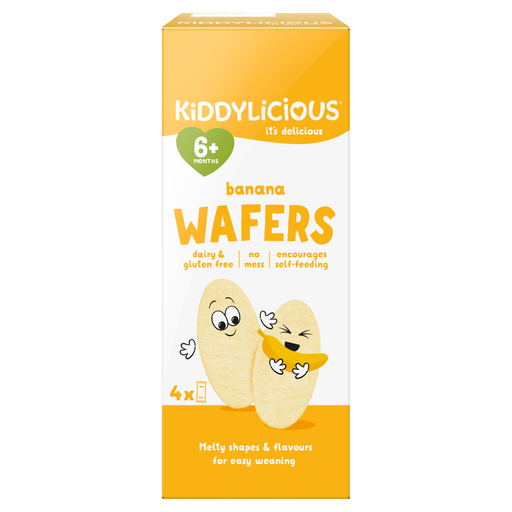
Why This Fits Their Persona: A small multipack for families introducing self-feeding without committing to a larger box of one flavour.
The pack is labelled for children aged 6 months and over, with individually portioned 4g sachets. Its stated free-from information helps shoppers screen common allergens, subject to checking the current label.
Rice-based wafers are described as melt-in-the-mouth and the product contains no added salt, artificial colours, flavours or preservatives.
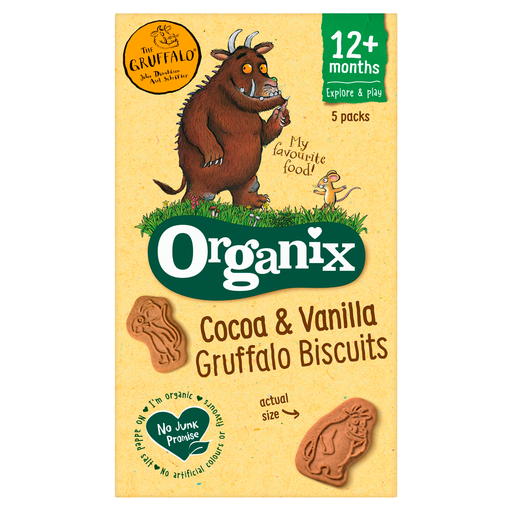
Why This Fits Their Persona: Suitable for families who prioritise organic certification, clearly portioned bags and a more structured toddler snack for outings or lunchboxes.
The pack states 12+ months, contains no added salt and uses five individual 20g bags, making the serving format clear. It contains wheat and oats, so allergen screening remains essential.
The product description states 100% organic ingredients, Soil Association certification and no artificial colours or flavours.
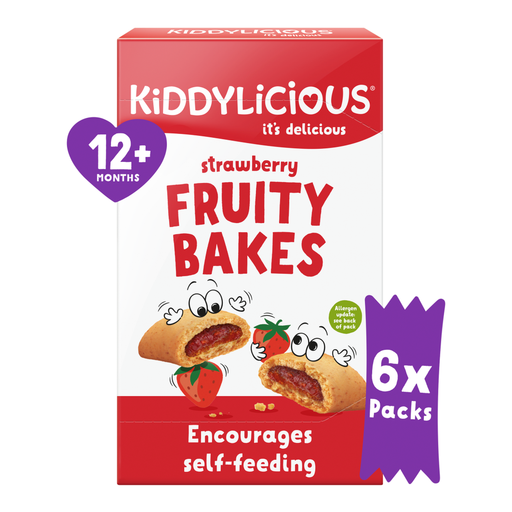
Why This Fits Their Persona: A practical choice for toddler snack rotations, lunchboxes and on-the-go occasions where a soft, hand-held item is convenient.
Each bake is individually packed and labelled for children aged 12 months and over. The soft-baked format is distinct from a harder biscuit, but supervision is still required.
The product contains a 35% fruit filling and whole wheat flour, with no artificial colours or flavours stated in the description.
We have compiled a complete, real-time list of products that fully satisfy these strict selection criteria and UK safety regulations.
For an older toddler, Organix Jammie Monsters Strawberry & Apple is labelled 18+ months and includes wholegrain wheat, apple and strawberry fruit filling. It may suit a later-stage lunchbox, but the wheat allergen and nutrition panel should be reviewed before purchase.
Products labelled 6+ months, such as selected rice wafers, are intended for babies beginning to explore finger foods. Read the preparation and supervision instructions, and ensure your child can manage the texture. Start with small amounts and introduce foods gradually.
Not automatically. Some baby snacks have age-specific shapes, textures or portion sizes, but they can still contain flour, oils and naturally occurring or concentrated sugars. Compare ingredients, sugar and salt per serving rather than relying on words such as “natural” or “wholesome”.
Follow the storage instructions on the packet. Many individually wrapped products should be eaten immediately after opening, while some biscuits can be kept in an airtight container. Check the best-before date and discard food that has become damp, stale or damaged.