
24/7 Customer Support

Free returns

Same-day & Next-day Delivery

Quality Guaranteed

Unlock Your Welcome Offers: FREE Delivery | Up to 80% OFF | Free 30-day JoyPlus trial
Download the APP
Navigating the world of baby snacks can feel overwhelming. As your little one transitions from milk to solids, finding convenient, nutritious and safe options becomes a top priority. The aisles are filled with choices, each with its own set of promises. How do you choose the right snacks to support their development without compromising on healthy ingredients?
This guide is designed to help UK parents and carers make informed decisions. We will walk through key considerations when selecting weaning snacks and toddler snacks, and share some of our top recommendations that balance nutrition, convenience and developmental benefits.
Before diving into specific products, it's helpful to have a framework for what to look for. Here are a few practical points to consider when shopping for healthy baby snacks.
The ingredients list is your most valuable tool. Look for snacks with simple, recognisable ingredients. Key things to check for include:
A snack suitable for a one-year-old may not be appropriate for a younger baby.
Snack time is more than just a meal; it's a learning opportunity. The right snacks can help your child develop crucial skills. Small, easy-to-grasp shapes encourage the pincer grip, which is essential for fine motor development. Encouraging self-feeding with appropriate baby finger foods also builds independence and confidence.
Here are a few carefully selected options that are popular with parents for their ingredients, textures and suitability for different developmental stages.

Why It Stands Out: A classic choice for generations, these rusks are a versatile starting point for weaning. They are fortified with key nutrients, including iron and calcium, to support early growth. Their dual-use function makes them a practical pantry staple.
Pros:
Who is it for? Parents starting the weaning journey who want a trusted, versatile product that can be adapted as their baby grows from needing purées to managing finger foods.
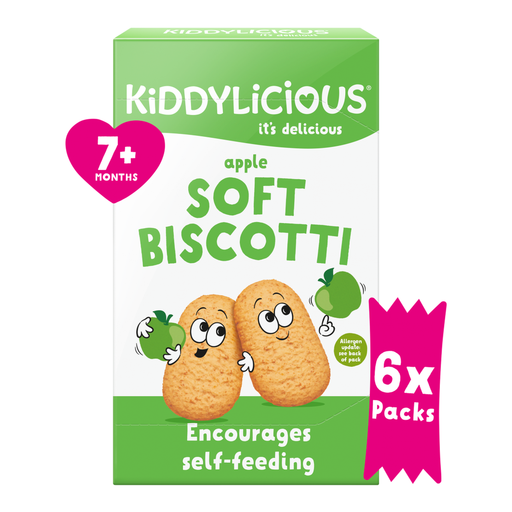
Why It Stands Out: These gently baked baby biscuits are specifically designed for little hands and mouths. Their soft, crumbly texture is perfect for babies who are learning to self-feed but aren't quite ready for hard, crunchy textures.
Pros:
Who is it for? Babies aged 7 months and older who are mastering self-feeding and need a soft, easy-to-manage finger food.
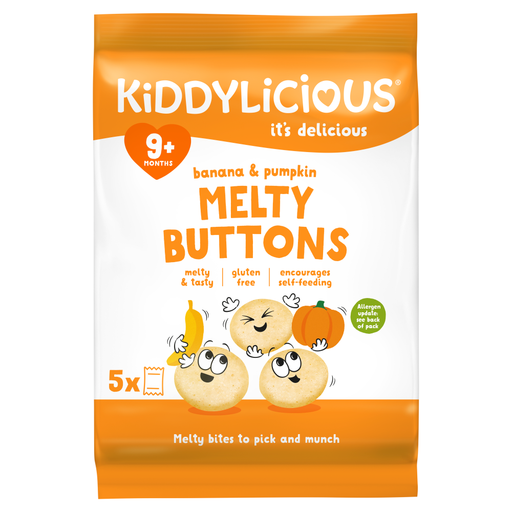
Why It Stands Out: These small, button-shaped snacks are ideal for helping babies practise their pincer grip. Their key feature is a texture that melts in the mouth, providing reassurance for parents concerned about choking hazards.
Pros:
Who is it for? Babies aged 9 months and up who are developing their pincer grip. It's also a great choice for parents looking for snacks free from common allergens.
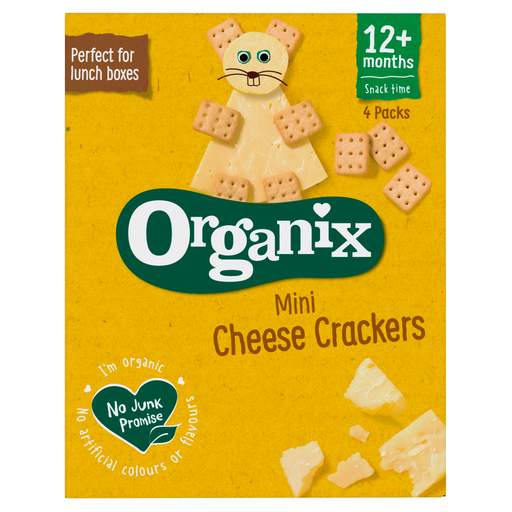
Why It Stands Out: As babies become toddlers, their taste preferences expand. These savoury crackers offer a more grown-up flavour profile with real cheese. True to the Organix "No Junk Promise," they are made from organic ingredients without unnecessary additives.
Pros:
Who is it for? Toddlers aged 12 months and older who are ready for crunchier textures and savoury flavours. A good choice for parents who prioritise organic baby food.
Every little one is different, and finding their favourite snack can sometimes take a bit of exploration. If the recommendations above aren't quite what you're looking for, or if you simply want to explore a wider variety of flavours and textures, there are many more choices available.
Discover our full range of toddler snacks and find the perfect fit for your child's tastes and developmental needs.
1. When can I start giving my baby snacks? Most health organisations, including the NHS, recommend introducing solid foods (weaning) around 6 months of age. Once your baby is comfortable with first tastes, you can introduce age-appropriate snacks for a 6 month old, such as soft, dissolvable finger foods, alongside their regular milk and meals. Always supervise your child while they are eating.
2. What should I look for in healthy baby snacks? The healthiest options are typically those with minimal processing. Look for snacks with no added sugar or salt, and a short list of recognisable ingredients. Snacks made from whole grains, fruits and vegetables are excellent choices. Always check the age guidance on the packaging to ensure the texture is safe for your child's developmental stage.