
24/7 Customer Support

Free returns

Same-day & Next-day Delivery

Quality Guaranteed

Unlock Your Welcome Offers: FREE Delivery | Up to 80% OFF | Free 30-day JoyPlus trial
Download the APP
Choosing baby snacks can feel straightforward until you compare age labels, textures, ingredients and pack sizes. A product may look suitable for self-feeding but still be too firm for your child’s current skills, while a “natural” recipe may contain concentrated fruit juices and more sugar than expected.
For UK parents, guardians and carers, the practical priority is matching the snack to your child’s development, checking allergens carefully and choosing portions that suit real routines, from first finger foods at home to individually wrapped baby snacks for the changing bag.
Age guidance is a useful starting point, not a substitute for readiness. A snack marked 6 months+ may be intended for babies who can sit upright, handle soft finger foods and swallow appropriately. A product labelled 7 months+ or 12 months+ may have a firmer or chewier texture.
NHS guidance generally recommends introducing solid foods at around six months, and not before four months. Always consider your child’s individual development and follow the product’s preparation and supervision instructions.
Baby biscuits, baby wafers and fruit bakes can use ingredients such as apple juice concentrate, grape juice concentrate or fruit purée. These can provide sweetness without refined sugar being added, but the nutrition panel may still show sugars.
Compare sugars per serving, not just front-of-pack wording. Snacks should complement meals rather than replace varied foods such as vegetables, fruit, pulses, eggs, dairy and suitable family foods.
Individual sachets are useful for outings, but a multipack can encourage automatic serving rather than thoughtful portion control. Check the weight per bag or bar and compare it with the recommended serving information.
For example, some wafer sachets contain just 4g, while toddler biscuits and soft bakes may contain 20–22g per portion. The right size depends on age, appetite and what else your child has eaten.
For early baby finger foods, look for pieces that are easy to hold and soften readily in the mouth. Rice wafers are often light and fragile, while soft biscotti and fruit bakes provide a different texture for children developing more confident chewing skills.
Avoid relying on a “melt-in-the-mouth” description alone. Read the directions and assess whether your child is ready for that food. Hard, chunky or very sticky foods may create a choking risk. Children should always be seated upright and closely supervised while eating.
Read the full ingredients list every time, particularly when buying gluten-free baby snacks or food for a child with a suspected allergy. Common allergens are emphasised on UK labels and may include:
A product that is free from an allergen in one format may not have the same allergen statement in another. For example, the larger Kiddylicious Banana Wafers pack is described as free from gluten, dairy and eggs, whereas product information for some other wafer formats includes different allergen warnings. Check the packaging supplied with your order before serving.
Look at energy, sugars, salt, fibre and serving size together. “Organic”, “natural” and “no artificial colours” describe particular features, but they do not automatically make a snack nutritionally complete.
For travel, individually wrapped baby snacks can help with hygiene and portioning. For home use, a larger resealable pack may create less packaging and better value per serving. Storage instructions also matter: some products should be consumed soon after opening, while biscuits can be stored in an airtight container.

Why This Suits Them: The 300g pack suits families wanting a larger quantity for occasional crushed servings or supervised finger-food use.
Its directions explain how to crush the rusk with milk or boiled water, rather than assuming one texture suits every stage.
Fortified with listed vitamins and minerals; suitable for vegetarians.
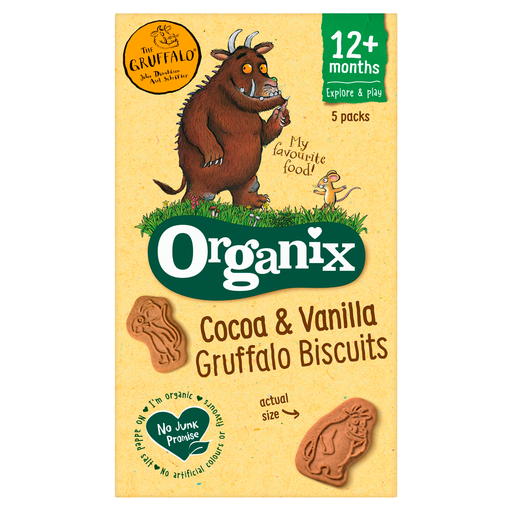
Why This Suits Them: A practical choice for families seeking organic ingredients and a fun snack format for toddlers aged 12 months and over.
The box contains five separate 20g bags, helping carers manage portions instead of opening a full box at once.
100% organic ingredients; no added salt or artificial colours and flavours; vegetarian and vegan friendly.
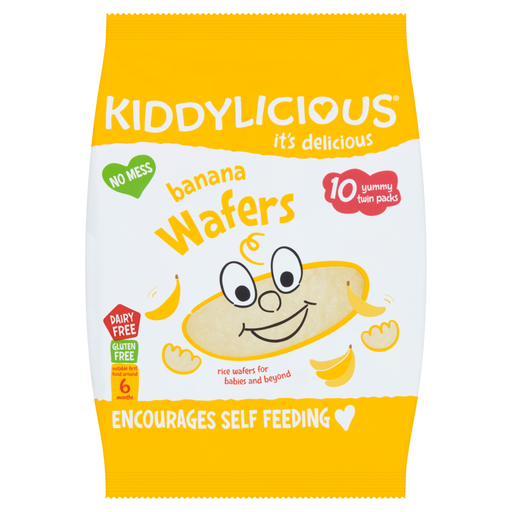
Why This Suits Them: The light wafer shape is suited to babies beginning self-feeding, with individually portioned sachets for short trips and nursery bags.
The 4g sachets make the serving size clear, while the ingredient and allergen information helps avoid assumptions about “simple” snacks.
Listed as gluten-free, dairy-free and egg-free; no artificial colours, flavours or preservatives.
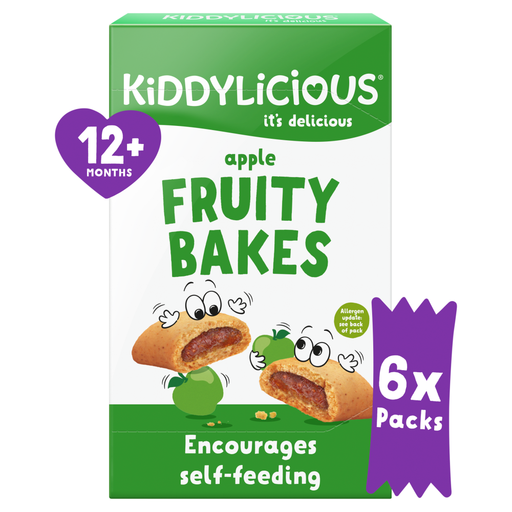
Why This Suits Them: Individually wrapped soft bars are convenient for toddler snacks at nursery, in a lunchbox or during a day out.
The 22g individual portions make pack planning easier, while the soft-baked format avoids choosing a firmer biscuit for a younger child.
Contains apple purée and apple juice concentrate; no added salt or artificial flavours, colours or preservatives.
We have compiled a complete, real-time list of products that fully satisfy these strict selection criteria and UK safety regulations.
Soft, easy-to-hold foods can suit babies who are ready for solids, including suitable fruit and vegetable pieces, soft finger foods and products specifically labelled for 6 months+. Rice wafers may dissolve readily, but every child develops differently. Keep your baby seated upright and supervise throughout the meal.
Some baby rusks carry guidance from 4+ months, but UK public health advice generally recommends starting solids at around six months. Check the product instructions and your baby’s readiness. Rusks can be crushed into a purée or offered as finger food where the packaging permits, but they should not replace varied meals.