
24/7 Customer Support

Free returns

Same-day & Next-day Delivery

Quality Guaranteed

Unlock Your Welcome Offers: FREE Delivery | Up to 80% OFF | Free 30-day JoyPlus trial
Download the APP
Choosing baby snacks can feel more complicated than it should. Packaging often highlights words such as “natural”, “organic” or “made with fruit”, while the details that matter most—age suitability, texture, allergens and portion size—may require closer inspection.
Three common buying pitfalls are worth avoiding:
The right option depends on your child’s stage of weaning, eating skills and your family’s routine. Use the following checks before adding products to your basket.
For snacks for babies 6 months+, look for products that are easy to hold and soften or dissolve readily. Rice wafers and certain melty baby snacks can be suitable for babies beginning to self-feed, provided the child is ready for finger foods.
Options labelled for 7 months+ may have a firmer texture, such as soft biscotti or rice cake clouds. Products for 9 months+ can include more varied shapes and textures, but babies should still be seated upright and watched closely.
Never leave a baby or young child alone while eating. Follow the product instructions, introduce new foods gradually and check that the texture is appropriate for your child’s current abilities.
Always read the full ingredient list rather than relying only on front-of-pack claims. Common allergens in baby snacks and toddler snacks include:
For example, some rice wafers may be made without gluten, dairy, nuts or eggs, while another product in a similar-looking packet may contain milk or wheat. Check the packaging each time, particularly if recipes or manufacturing arrangements change.
If you are looking for organic baby snacks, verify the organic information on the pack and remember that “organic” describes production standards; it does not automatically mean low in sugar or suitable for every age.
Baby snacks should complement a varied diet rather than replace meals. Compare the nutrition panel per portion as well as per 100g, because a small individually wrapped snack may contain considerably less than a standard serving.
Products such as fruit wriggles and fruit rolls can be convenient, but their carbohydrate and sugar content may be concentrated. Sweets and confectionery, including children’s sweets and snacks, are more appropriate as occasional treats for older children rather than everyday foods for babies.
For savoury options, check the salt content. Strongly seasoned adult snacks, including crispy noodle snacks and salted egg biscuits, are generally not designed for babies or early weaning.
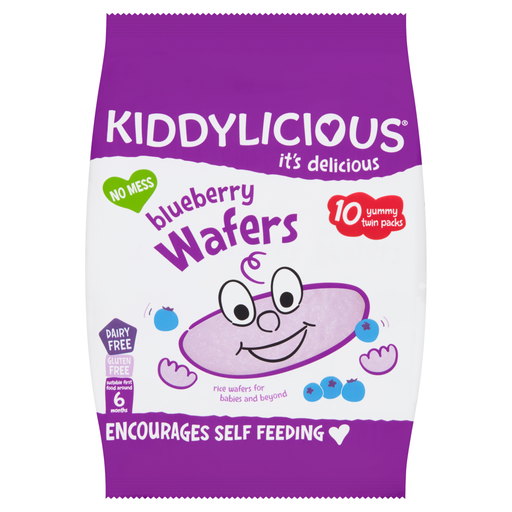
Why This Fits Their Persona: Individual 4g packs provide small portions for families introducing finger foods without opening a large bag each time.
The pack states 6+ months and provides texture and allergen information, helping you avoid choosing an adult crisp or biscuit for early weaning.
Rice-based wafers; 16 kcal per 4g pack; no added salt and no artificial colours, flavours or preservatives.
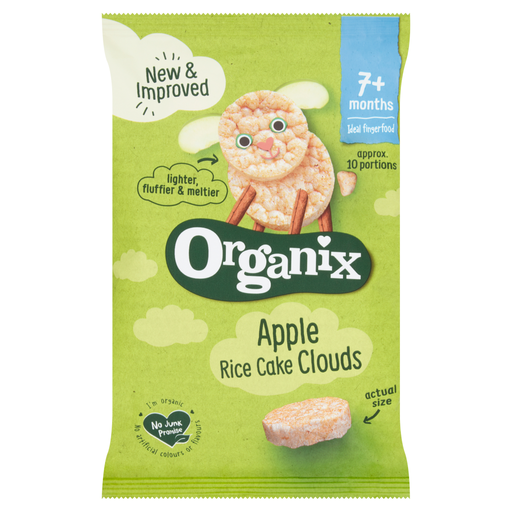
Why This Fits Their Persona: A convenient organic option for parents who want a simple ingredient list and a snack suitable for baby-led weaning routines.
The product is labelled 7+ months and lists rice, apple juice concentrate, cinnamon and thiamin, rather than relying solely on broad “natural” wording.
Organic rice-based recipe; soft, melty texture; suitable for vegetarian and vegan diets.
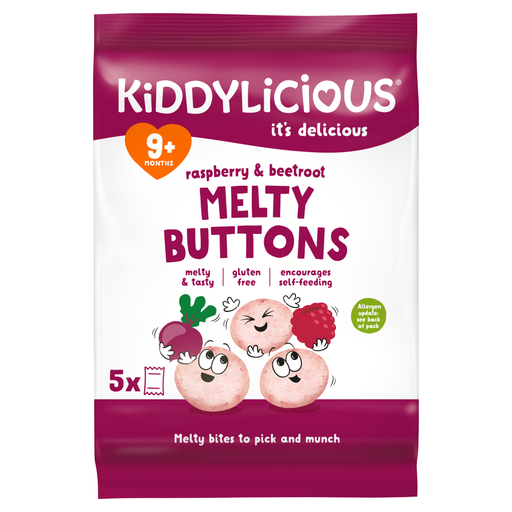
Why This Fits Their Persona: Five individually wrapped portions suit travel, nursery bags and families who need snacks ready for outings.
Its stated 9+ months guidance and dissolving texture make the intended use clearer than choosing a firm, adult biscuit.
Gluten-free and dairy-free; no artificial colours, flavours or preservatives; 6g individual packs.
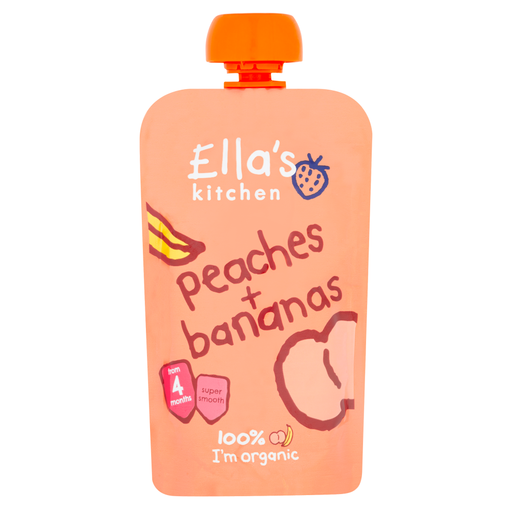
Why This Fits Their Persona: A smooth first-food option for families beginning weaning and needing a portable alternative to preparing fruit at home.
The 4+ months guidance, smooth consistency and ingredient percentages make it easier to match the pouch to an early weaning stage.
Organic peaches and bananas; no added sugar or salt; 75 kcal per 120g pouch.
Babies develop at different rates, so age labels should be considered alongside readiness for solids. A child should be able to sit upright with support, handle food safely and follow your healthcare professional’s guidance.
For babies beginning finger foods, choose appropriately sized baby finger foods with a texture that softens easily. For older children, fruit snacks for toddlers, soft biscotti and vegetable-based snacks can add variety. Keep sugary confectionery such as chewy sweets for occasional family treats, not routine weaning snacks.
Suitable choices may include soft fruit, cooked vegetables, toast fingers and age-labelled commercial snacks such as dissolving rice wafers. Always check texture, ingredients and allergens, and supervise your baby while eating.
Yes. Individually wrapped snacks can improve portability, portion control and freshness. Check that the pack size suits your child and dispose of broken or uneaten pieces according to the product instructions.
Not necessarily. Some fruit snacks contain concentrated fruit purée or juice and can be high in sugar, even without added sugar. Compare nutrition panels and use them as part of a varied diet. For a wider choice of age-labelled options, browse the toddler snacks range.
We have compiled a complete, real-time list of products that fully satisfy these strict selection criteria and UK safety regulations.