
24/7 Customer Support

Free returns

Same-day & Next-day Delivery

Quality Guaranteed

Unlock Your Welcome Offers: FREE Delivery | Up to 80% OFF | Free 30-day JoyPlus trial
Download the APP
Choosing baby soothers can seem straightforward until you compare teat shapes, materials, age ranges and cleaning instructions. A newborn may accept one design but reject another, while a product that looks convenient may be unsuitable for night-time or regular washing.
Parents in the UK should also look beyond colour and brand familiarity. The most useful checks concern age suitability, material, shield design, hygiene and safe attachment.
Round, symmetrical and anatomical teats can feel noticeably different in a baby’s mouth. Breastfed babies may prefer a round teat, while some babies settle more readily with a flat, symmetrical design. There is no universal preference, so buying a large multipack of one style before trying it can lead to waste.
A soother multipack containing different teat shapes and materials may be more practical for first-time buyers.
The term orthodontic soothers generally describes a teat shape intended to sit in a particular way in the mouth. It does not guarantee a specific dental outcome. Parents should still select the correct age size, follow the manufacturer’s instructions and avoid allowing a baby to chew the teat.
Natural rubber latex soothers are soft and flexible, but they may be unsuitable for babies with a latex sensitivity and can deteriorate more quickly when exposed to heat, sunlight or unsuitable sterilisation methods. Silicone soothers are odourless, durable and compatible with many sterilising systems, but some babies prefer the softer feel of latex.
Always check whether a soother can be boiled, steam sterilised, microwaved or placed in a dishwasher. Instructions differ between products, even within the same range.
For a young baby, look for clearly stated options such as soothers for 0–6 months, 0–3 months or 0–2 months. A newborn-sized shield and teat may be lighter and more proportionate for a small mouth. Do not move up to Size 2 simply because an older style appears more attractive.
Check the packaging and product listing for the exact age range. Some products are labelled 0+ months, while others are specifically designed for premature babies or babies aged 6 months and above.
If your baby refuses a soother, changing the teat shape or material may be more useful than buying another colour of the same model.
A shield should remain outside the baby’s mouth and include ventilation openings. These openings help air circulate around the skin, although they do not remove the need to clean and dry the area regularly.
Look for products made from clearly stated, food-contact suitable materials and check whether they conform to EN 1400+A2, the European standard commonly referenced for soothers. Inspect the teat before every use by gently pulling it in different directions. Discard it at the first sign of cracking, stickiness, stretching or weakness.
For baby soother clips, use only a purpose-made clip and follow the relevant instructions. A clip should never be attached around the neck, used with cords or ribbons, or left attached while a baby is sleeping in a cot, bed or cradle. Clips intended for soothers should comply with the applicable EN 12586 requirements where stated by the manufacturer.
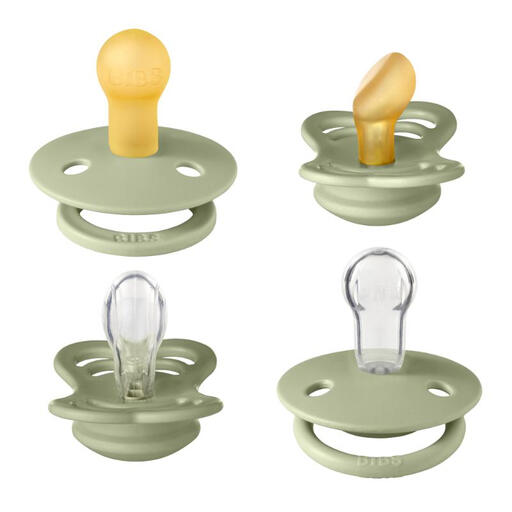
Why This Fits Their Persona: A trial pack helps new parents compare round, symmetrical and anatomical teats, with both silicone and natural rubber latex included.
It reduces the risk of buying several packs of a style your baby may not accept.
Four Size 1 soothers; two teat materials and three shapes for comparison.
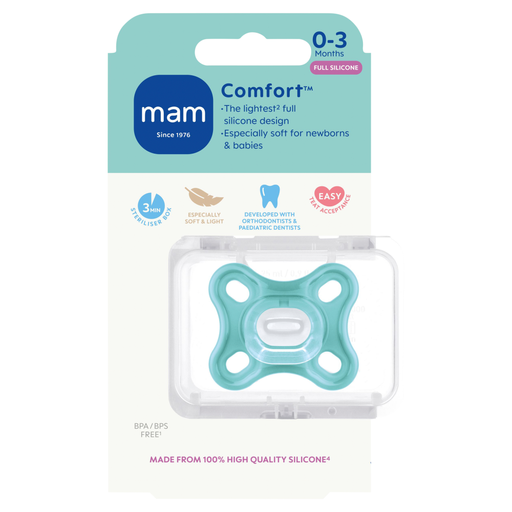
Why This Fits Their Persona: Suitable for families seeking a lightweight, one-piece silicone option for very young babies.
The 0–3-month age range is clearly specified, avoiding an unsuitable larger teat or shield.
One-piece silicone construction; supplied with a self-sterilising travel case.
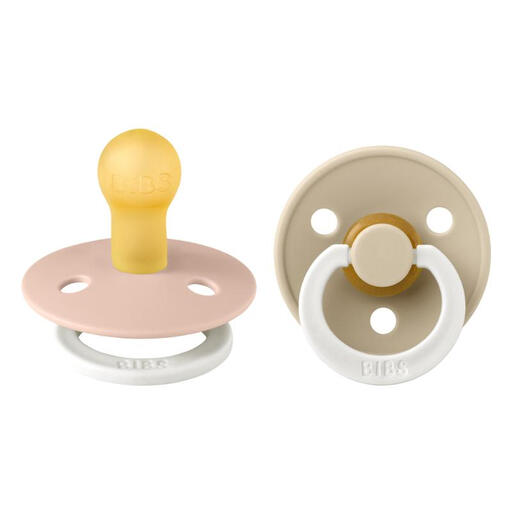
Why This Fits Their Persona: Useful for parents who want natural rubber latex and a quick way to locate a soother during night feeds.
The material and 0+ month size are stated clearly, while the glow handle addresses night-time searching without claiming longer sleep.
Natural rubber latex teat; glow-in-the-dark handles; two-pack format.
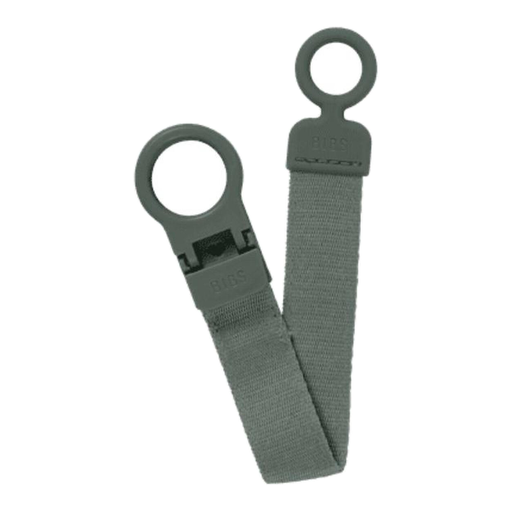
Why This Fits Their Persona: A practical accessory for walks, pram journeys and changes between home and nursery.
It is a dedicated soother clip rather than an improvised cord or ribbon, with clear sleep-use restrictions.
Metal-free clip; machine washable at 30°C; loop fits BIBS soothers and many other brands.
Before first use, sterilise each soother according to its material and the supplied instructions. For daily care, rinse or wash with warm water and mild soap. Remove trapped water from hollow teats once the product has cooled.
Replacement periods vary: several BIBS products recommend changing natural rubber latex soothers every 4–6 weeks, while some MAM products recommend replacement every 1–2 months. Replace immediately if the teat becomes sticky, split, cloudy, stretched or discoloured. Keep spare soothers in a clean container rather than loose in a changing bag.
We have compiled a complete, real-time list of products that fully satisfy these strict selection criteria and UK safety regulations.
Many breastfed babies use soothers, but acceptance varies. A round teat may feel more familiar to some babies, while others prefer a symmetrical silicone design. If breastfeeding is still being established, discuss introducing a soother with your midwife or health visitor.
Follow the product instructions and inspect it before every use. As a general guide, latex soothers may need replacing every 4–6 weeks, while silicone models may be replaced every 1–2 months. Damage always means immediate replacement.
No. A soother clip should be used only while the baby is awake and supervised. Do not attach it in a cot, bed or cradle, and never use a cord, ribbon or homemade strap around the baby’s neck.